1133 reviews from "Pelit"-books
Pelit was a Finnish-language (bi)annual book series published from 1987 to 1991 containing gaming-related articles, tips and most importantly game reviews. Here you can find all the reviews from the books. The reviews were originally written in Finnish; the English versions are translations of the Finnish originals. Maininta tekijänoikeuksista
 1987
1987 1988
1988 1989 Kevät
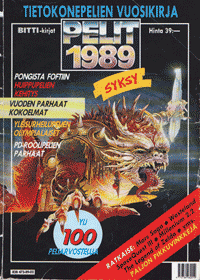 1989 Syksy
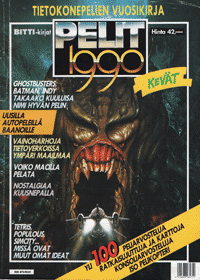 1990 Kevät
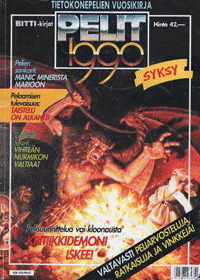 1990 Syksy
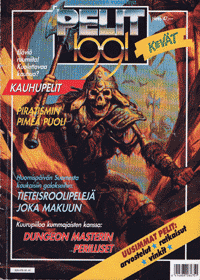 1991 Kevät
 1991 Syksy
U-Boot, Das
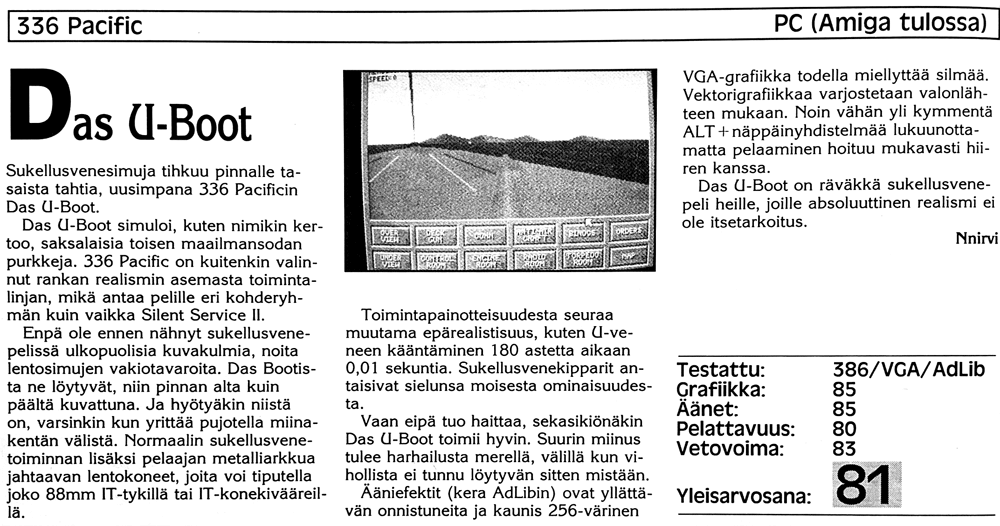
U-Boot, Das1991 KevätPysyvä linkkiSukellusvenesimuja tihkuu pinnalle tasaista tahtia, uusimpana 336 Pacificin Das U-Boot.
Das U-Boot simuloi, kuten nimikin kertoo, saksalaisia toisen maailmansodan purkkeja. 336 Pacific on kuitenkin valinnut rankan realismin asemasta toimintalinjan, mikä antaa pelille eri kohderyhmän kuin vaikka Silent Service II.
Enpä ole ennen nähnyt sukellusvenepelissä ulkopuolisia kuvakulmia, noita lentosimujen vakiotavaroita. Das Bootista ne löytyvät, niin pinnan alta kuin päältä kuvattuna. Ja hyötyäkin niistä on, varsinkin kun yrittää pujotella miinakentän välistä. Normaalin sukellusvenetoiminnan lisäksi pelaajan metalliarkkua jahtaavan lentokoneet, joita voi tiputella joko 88mm IT-tykillä tai IT-konekivääreillä.
Toimintapainotteisuudesta seuraa muutama epärealistisuus, kuten U-veneen kääntäminen 180 astetta aikaan 0,01 sekuntia. Sukellusvenekipparit antaisivat sielunsa moisesta ominaisuudesta.
Vaan eipä tuo haittaa, sekasikiönäkin Das U-Boot toimii hyvin. Suurin miinus tulee harhailusta merellä, välillä kun vihollista ei tunnu löytyvän sitten mistään.
Ääniefektit (kera AdLibin) ovat yllättävän onnistuneita ja kaunis 256-värinen VGA-grafiikka todella miellyttää silmää. Vektorigrafiikkaa varjostetaan valonlähteen mukaan. Noin vähän yli kymmentä ALT+näppäinyhdistelmää lukuunottamatta pelaaminen hoituu mukavasti hiiren kanssa.
Das U-Boot on räväkkä sukellusvenepeli heille, joille absoluuttinen realismi ei ole itsetarkoitus.
U-Boot, Das1991 KevätPermalinkSubmarine sims keep seeping to the surface at a steady rate, the latest being 336 Pacific's Das U-Boot.
As the name suggests, Das U-Boot simulates German Second World War tubs. 336 Pacific, however, has chosen an action line instead of hardcore realism, which gives the game a different target audience from, say, Silent Service II.
I've never before seen external camera angles in a submarine game, those standard fixtures of flight sims. Das Boot has them, viewed both from below the surface and from above. And they're useful too, especially when you're trying to weave your way through a minefield. On top of the normal submarine action, the player's metal coffin is hunted by aircraft, which can be knocked down with either the 88mm AA gun or the AA machine guns.
The emphasis on action brings a few unrealistic touches with it, such as turning the U-boat through 180 degrees in 0.01 seconds. Submarine skippers would sell their souls for a feature like that.
But that hardly matters; even as a mongrel Das U-Boot works well. The biggest minus comes from wandering around at sea, since at times the enemy just can't be found anywhere at all.
The sound effects (with an AdLib) are surprisingly good, and the beautiful 256-colour VGA graphics are a real treat for the eye. The vector graphics are shaded according to the light source. Apart from a little over ten ALT+key combinations, playing is comfortably handled with the mouse.
Das U-Boot is a punchy submarine game for those to whom absolute realism is not an end in itself.
U.F.O.
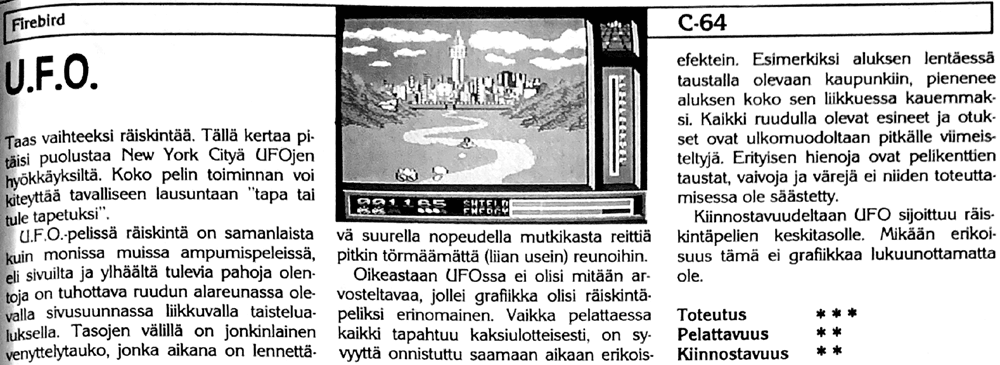
U.F.O.1987Pysyvä linkkiTaas vaihteeksi räiskintää. Tällä kertaa pitäisi puolustaa New York Cityä UFOjen hyökkäyksiltä. Koko pelin toiminnan voi kiteyttää tavalliseen lausuntaan "tapa tai tule tapetuksi".
U.F.O.-pelissä räiskintä on samanlaista kuin monissa muissa ampumispeleissä, eli sivuilta ja ylhäältä tulevia pahoja olentoja on tuhottava ruudun alareunassa olevalla sivusuunnassa liikkuvalla taistelualuksella. Tasojen välillä on jonkinlainen venyttelytauko, jonka aikana on lennettävä suurella nopeudella mutkikasta reittiä pitkin törmäämättä (liian usein) reunoihin.
Oikeastaan UFOssa ei olisi mitään arvosteltavaa, jollei grafiikka olisi räiskintäpeliksi erinomainen. Vaikka pelattaessa kaikki tapahtuu kaksiulotteisesti, on syvyyttä onnistuttu saamaan aikaan erikoisefektein. Esimerkiksi aluksen lentäessä taustalla olevaan kaupunkiin, pienenee aluksen koko sen liikkuessa kauemmaksi. Kaikki ruudulla olevat esineet ja otukset ovat ulkomuodoltaan pitkälle viimeisteltyjä. Erityisen hienoja ovat pelikenttien taustat, vaivoja ja värejä ei niiden toteuttamisessa ole säästetty.
Kiinnostavuudeltaan UFO sijoittuu räiskintäpelien keskitasolle. Mikään erikoisuus tämä ei grafiikkaa lukuunottamatta ole.
U.F.O.1987PermalinkBlasting again, for a change. This time you're supposed to defend New York City from UFO attacks. The action of the entire game can be boiled down to the familiar phrase "kill or be killed".
In U.F.O. the blasting is the same as in plenty of other shooting games, i.e. evil beings coming in from the sides and from above have to be destroyed with a fighter craft that moves sideways along the bottom of the screen. Between the levels there's a sort of stretching break, during which you have to fly at high speed along a winding route without bumping into the edges (too often).
Actually there'd be nothing in UFO worth reviewing if its graphics weren't excellent for a shoot-'em-up. Although everything happens in two dimensions while you play, special effects have succeeded in creating a sense of depth. For instance, when the ship flies off into the city in the background, it shrinks as it moves further away. All the objects and critters on the screen are highly polished in appearance. The backgrounds of the levels are especially fine; no effort or colour has been spared in making them.
In terms of interest, UFO sits at the middling level of shoot-'em-ups. Apart from the graphics, this is nothing special.
U.N. Squadron
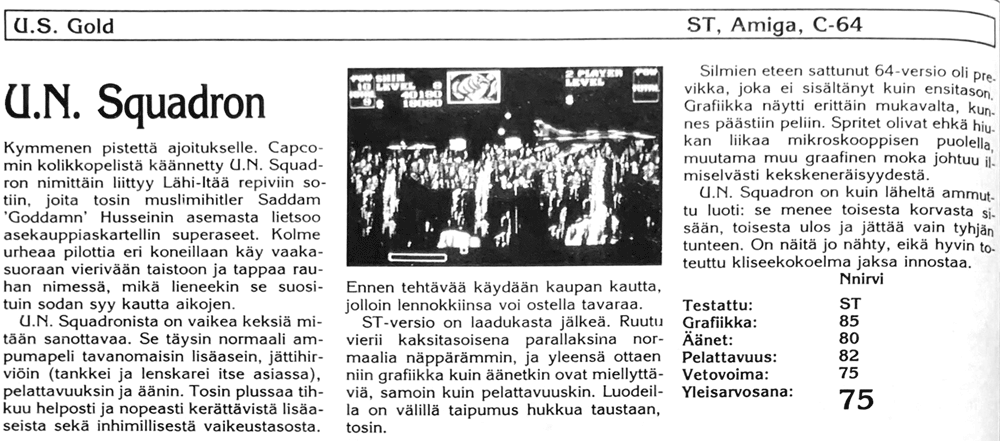
U.N. Squadron1990 SyksyPysyvä linkkiKymmenen pistettä ajoitukselle. Capcomin kolikkopelistä käännetty U.N. Squadron nimittäin liittyy Lähi-Itää repiviin sotiin, joita tosin muslimihitler Saddam 'Goddamn' Husseinin asemasta lietsoo asekauppiaskartellin superaseet. Kolme urheaa pilottia eri koneillaan käy vaakasuoraan vierivään taistoon ja tappaa rauhan nimessä, mikä lieneekin se suosituin sodan syy kautta aikojen.
U.N. Squadronista on vaikea keksiä mitään sanottavaa. Se täysin normaali ampumapeli tavanomaisin lisäasein, jättihirviöin (tankkei ja lenskarei itse asiassa), pelattavuuksin ja äänin. Tosin plussaa tihkuu helposti ja nopeasti kerättävistä lisäaseista sekä inhimillisestä vaikeustasosta.
ST-versio on laadukasta jälkeä. Ruutu vierii kaksitasoisena parallaksina normaalia näppärämmin, ja yleensä ottaen niin grafiikka kuin äänetkin ovat miellyttäviä, samoin kuin pelattavuuskin. Luodeilla on välillä taipumus hukkua taustaan, tosin.
Silmien eteen sattunut 64-versio oli previkka, joka ei sisältänyt kuin ensitason. Grafiikka näytti erittäin mukavalta, kunnes päästiin peliin. Spritet olivat ehkä hiukan liikaa mikroskooppisen puolella, muutama muu graafinen moka johtuu ilmiselvästi keskeneräisyydestä.
U.N. Squadron on kuin läheltä ammuttu luoti: se menee toisesta korvasta sisään, toisesta ulos ja jättää vain tyhjän tunteen. On näitä jo nähty, eikä hyvin toteuttu kliseekokoelma jaksa innostaa.
U.N. Squadron1990 SyksyPermalinkTen out of ten for timing. U.N. Squadron, converted from Capcom's coin-op, deals with the wars tearing the Middle East apart - although instead of Muslim Hitler Saddam 'Goddamn' Hussein, they are being stirred up by an arms dealers' cartel's superweapons. Three brave pilots in their different planes go into horizontally scrolling battle and kill in the name of peace, which is probably the most popular reason for war throughout the ages.
It's hard to come up with anything to say about U.N. Squadron. It's a completely normal shoot-'em-up with the usual extra weapons, giant monsters (tanks and planes, actually), playability and sounds. Then again, plus points do trickle in from the extra weapons, which are quick and easy to collect, and from the humane difficulty level.
The ST version is quality work. The screen scrolls in two-layer parallax more nimbly than usual, and generally speaking the graphics and the sound are both pleasant, as is the playability. The bullets do have a tendency to get lost in the background at times, though.
The C-64 version that happened across my eyes was a preview copy containing only the first level. The graphics looked very nice until we got into the game. The sprites were perhaps a little too far on the microscopic side; a few other graphical blunders are obviously down to it being unfinished.
U.N. Squadron is like a bullet fired at close range: it goes in one ear, out the other, and leaves only an empty feeling. We've seen these before, and a well-executed collection of clichés just can't get anyone excited.
U.S.A.A.F.
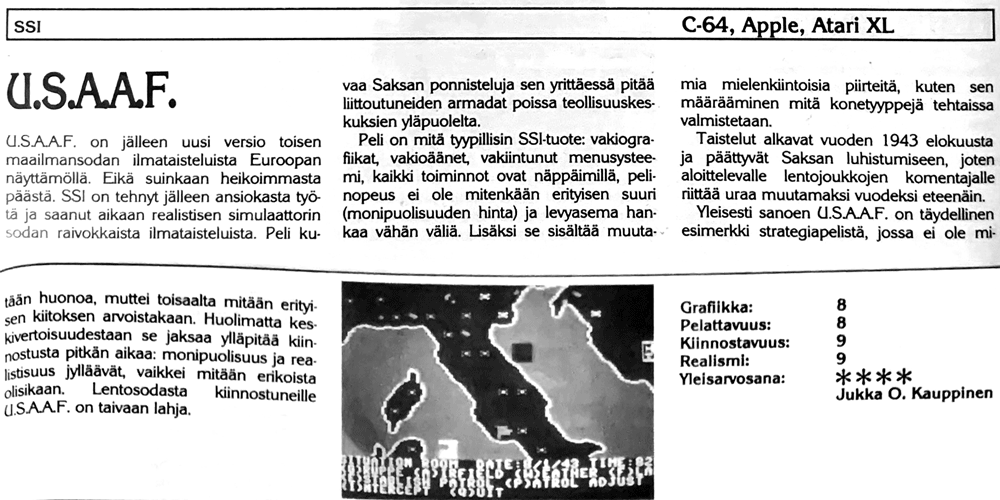
U.S.A.A.F.1988Pysyvä linkkiU.S.A.A.F. on jälleen uusi versio toisen maailmansodan ilmataisteluista Euroopan näyttämöllä. Eikä suinkaan heikoimmasta päästä. SSI on tehnyt jälleen ansiokasta työtä ja saanut aikaan realistisen simulaattorin sodan raivokkaista ilmataisteluista. Peli kuvaa Saksan ponnisteluja sen yrittäessä pitää liittoutuneiden armadat poissa teollisuuskeskuksien yläpuolelta.
Peli on mitä tyypillisin SSI-tuote: vakiografiikat, vakioäänet, vakiintunut menusysteemi, kaikki toiminnot ovat näppäimillä, pelinopeus ei ole mitenkään erityisen suuri (monipuolisuuden hinta) ja levyasema hankaa vähän väliä. Lisäksi se sisältää muutamia mielenkiintoisia piirteitä, kuten sen määrääminen mitä konetyyppejä tehtaissa valmistetaan.
Taistelut alkavat vuoden 1943 elokuusta ja päättyvät Saksan luhistumiseen, joten aloittelevalle lentojoukkojen komentajalle riittää uraa muutamaksi vuodeksi eteenäin.
Yleisesti sanoen U.S.A.A.F. on täydellinen esimerkki strategiapelistä, jossa ei ole mitään huonoa, muttei toisaalta mitään erityisen kiitoksen arvoistakaan. Huolimatta keskivertoisuudestaan se jaksaa ylläpitää kiinnostusta pitkän aikaa: monipuolisuus ja realistisuus jylläävät, vaikkei mitään erikoista olisikaan. Lentosodasta kiinnostuneille U.S.A.A.F. on taivaan lahja.
U.S.A.A.F.1988PermalinkU.S.A.A.F. is yet another new version of the Second World War air battles over the European theatre. And by no means one of the weakest. SSI has once again done commendable work and produced a realistic simulation of the war's ferocious air battles. The game depicts Germany's efforts as it tries to keep the Allied armadas out of the skies above its industrial centres.
The game is the most typical SSI product imaginable: standard graphics, standard sounds, the well-established menu system, all functions on the keys, a game speed that is by no means especially high (the price of versatility) and the disk drive grinding away every so often. On top of that it contains a few interesting features, such as deciding which aircraft types are built in the factories.
The battles begin in August 1943 and end with the collapse of Germany, so a budding air force commander has enough of a career ahead of him for a few years to come.
Generally speaking, U.S.A.A.F. is a perfect example of a strategy game in which there is nothing bad, but on the other hand nothing especially praiseworthy either. Despite its averageness it manages to hold your interest for a long time: versatility and realism rule the roost, even if there is nothing out of the ordinary. For those interested in air warfare, U.S.A.A.F. is a gift from the heavens.
U.S.S. John Young
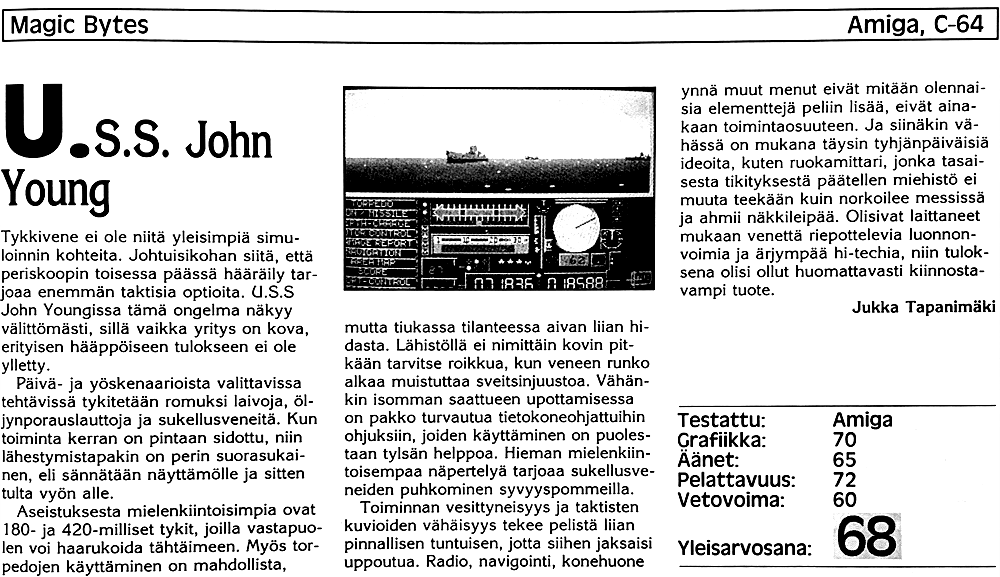
U.S.S. John Young1991 KevätPysyvä linkkiTykkivene ei ole niitä yleisimpiä simuloinnin kohteita. Johtuisikohan siitä, että periskoopin toisessa päässä hääräily tarjoaa enemmän taktisia optioita. U.S.S John Youngissa tämä ongelma näkyy välittömästi, sillä vaikka yritys on kova, erityisen hääppöiseen tulokseen ei ole ylletty.
Päivä- ja yöskenaarioista valittavissa tehtävissä tykitetään romuksi laivoja, öljynporauslauttoja ja sukellusveneitä. Kun toiminta kerran on pintaan sidottu, niin lähestymistapakin on perin suorasukainen, eli sännätään näyttämölle ja sitten tulta vyön alle.
Aseistuksesta mielenkiintoisimpia ovat 180- ja 420-milliset tykit, joilla vastapuolen voi haarukoida tähtäimeen. Myös torpedojen käyttäminen on mahdollista, mutta tiukassa tilanteessa aivan liian hidasta. Lähistöllä ei nimittäin kovin pitkään tarvitse roikkua, kun veneen runko alkaa muistuttaa sveitsinjuustoa. Vähänkin isomman saattueen upottamisessa on pakko turvautua tietokoneohjattuihin ohjuksiin, joiden käyttäminen on puolestaan tylsän helppoa. Hieman mielenkiintoisempaa näpertelyä tarjoaa sukellusveneiden puhkominen syvyyspommeilla.
Toiminnan vesittyneisyys ja taktisten kuvioiden vähäisyys tekee pelistä liian pinnallisen tuntuisen, jotta siihen jaksaisi uppoutua. Radio, navigointi, konehuone ynnä muut menut eivät mitään olennaisia elementtejä peliin lisää, eivät ainakaan toimintaosuuteen. Ja siinäkin vähässä on mukana täysin tyhjänpäiväisiä ideoita, kuten ruokamittari, jonka tasaisesta tikityksestä päätellen miehistö ei muuta teekään kuin norkoilee messissä ja ahmii näkkileipää. Olisivat laittaneet mukaan venettä riepottelevia luonnonvoimia ja ärjympää hi-techia, niin tuloksena olisi ollut huomattavasti kiinnostavampi tuote.
U.S.S. John Young1991 KevätPermalinkThe gunboat isn't one of the most common subjects for simulation. I wonder whether that's because pottering about at the other end of a periscope offers more tactical options. In U.S.S John Young this problem shows immediately, because although the effort is a hard one, the result is nothing much to write home about.
In the missions, which you pick from day and night scenarios, you blast ships, oil rigs and submarines to scrap. Since the action is tied to the surface, the approach is thoroughly straightforward too: you charge onto the scene and then it's fire below the belt.
The most interesting part of the armament is the 180 and 420 millimetre guns, with which you can bracket the enemy into your sights. Using torpedoes is also possible, but far too slow in a tight spot. You see, you don't have to hang around in the vicinity for very long before the boat's hull starts to resemble Swiss cheese. To sink even a slightly bigger convoy you have to resort to computer-guided missiles, which in turn are boringly easy to use. Somewhat more interesting fiddling is offered by puncturing submarines with depth charges.
The watered-down action and the scarcity of tactical patterns make the game feel too shallow to be worth immersing yourself in. The radio, navigation, engine room and other menus add no essential elements to the game, at least not to the action part. And even that little includes completely pointless ideas, such as a food gauge, whose steady ticking suggests the crew does nothing but loaf around in the mess wolfing down crispbread. Had they thrown in some forces of nature to toss the boat about and some meaner hi-tech, the result would have been a considerably more interesting product.
Uchi Mata
Uchi Mata1987Pysyvä linkkiVaikka budo-lajeihin perustuvia pelejä on enemmän kuin budo-lajeja, täyttää Martechin uutukainen erään aukon. Uchi Mata on näet judopeli, jossa on varsin monipuolisesti vangittu tatamien tiivis tunnelma. Heittoja ja kamppeja riittää ja onpa mukana kiellettyjä otteitakin, joita käytettäessä vastapuoli vie voiton.
Monipuolisuus vaatii hintansa. Vastustajapyjaman nakkeleminen on vaikeampaa kuin esimerkiksi Fisteissä. Tärkeä merkitys on hyvällä otteella, oikealla ajoituksella ja joystickillä suoritettavalla liikesarjalla. Ohjeissa (mukana myös soomekeel) annetaan esimerkki parista heitosta, joista pystyy päättelemään periaatteen. Luojan kiitos otteluvaihtoehtoihin kuuluu myös harjoittelumoodi, jota hyödyntämällä judoilu alkaa jo onnistua. "Se judoka älähtää joka maahan mäjähtää", niinkuin japanilainen filosofi joskus on todennut. Japanin sanavarastokin karttuu sillä jokaisen onnistuneen heiton nimi näytetään ruudun alaosassa.
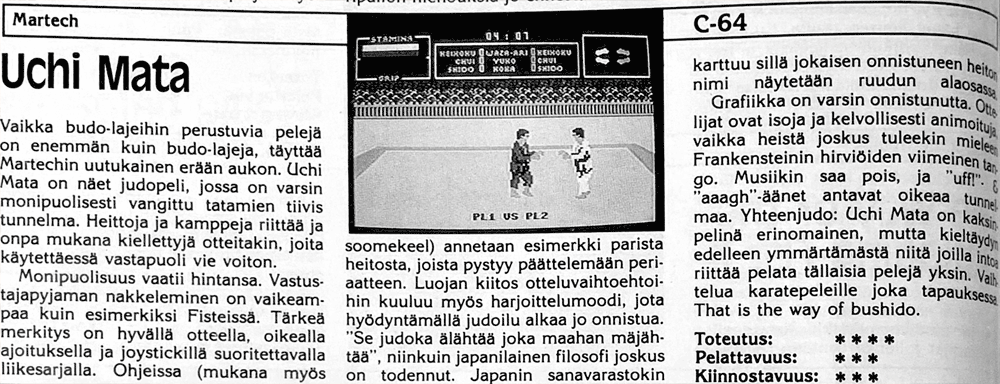
Grafiikka on varsin onnistunutta. Ottelijat ovat isoja ja kelvollisesti animoituja, vaikka heistä joskus tuleekin mieleen Frankensteinin hirviöiden viimeinen tango. Musiikin saa pois, ja "uff!"- & "aaagh"-äänet antavat oikeaa tunnelmaa. Yhteenjudo: Uchi Mata on kaksinpelinä erinomainen, mutta kieltäydyn edelleen ymmärtämästä niitä joilla intoa riittää pelata tällaisia pelejä yksin. Vaihtelua karatepeleille joka tapauksessa. That is the way of bushido.
Uchi Mata1987PermalinkAlthough there are more games based on the budo arts than there are budo arts, Martech's brand-new release fills a certain gap. Uchi Mata, you see, is a judo game that captures the intense atmosphere of the tatami in a pretty versatile way. There are throws and trips aplenty, and there are even illegal holds in there, and if you use them the other side takes the win.
Versatility comes at a price. Tossing the opposing pair of pyjamas around is harder than in, say, the Fist games. What counts is a good grip, the right timing and a sequence of moves performed on the joystick. The instructions (soomekeel - that's Finnish - included too) give an example of a couple of throws, from which you can work out the principle. Thank heavens the match options also include a practice mode, and with its help the judo-ing actually starts to come off. "It's the judoka who hits the deck that hollers," as a Japanese philosopher once remarked. Your Japanese vocabulary grows as well, since the name of every successful throw is shown at the bottom of the screen.
The graphics are rather successful. The fighters are big and decently animated, even if at times they bring to mind the last tango of Frankenstein's monsters. The music can be turned off, and the "oof!" & "aaagh" sounds give a real sense of atmosphere. To sum judo up: Uchi Mata is excellent as a two-player game, but I still refuse to understand people who have the enthusiasm to play games like this on their own. A change from karate games, anyway. That is the way of bushido.
Ultima I: First age of Darkness
Ultima I: First age of Darkness1987Pysyvä linkkiVihdoinkin, vihdoinkin myös muut kuin Apple II:n omistajat voivat kerätä täydellisen Ultima-tetralogian. Ultima I ei ole vain maailman parhaan roolipelisarjan esipuhe, tämä on historiaa!
Ultima I, kuten muutkin Ultimat, on roolipeli, jossa pelaaja omaksuu itselleen uuden henkilöllisyyden koneen sisällä.
Seikkailija voi valita uran neljästä mahdollisesta: soturi, varas, pappi tai velho. Rotuja on vastaavasti neljä, mutta sukupuolia vain kaksi.
Tavoitteena on saada paha velho Mondainin pää koristamaan keihäänkärkeä, mutta ennenkuin tämä unelma toteutuu on urhea seikkailija pakotettu kompaamaan paitsi syviä luolia niin myös rannatonta avaruutta.
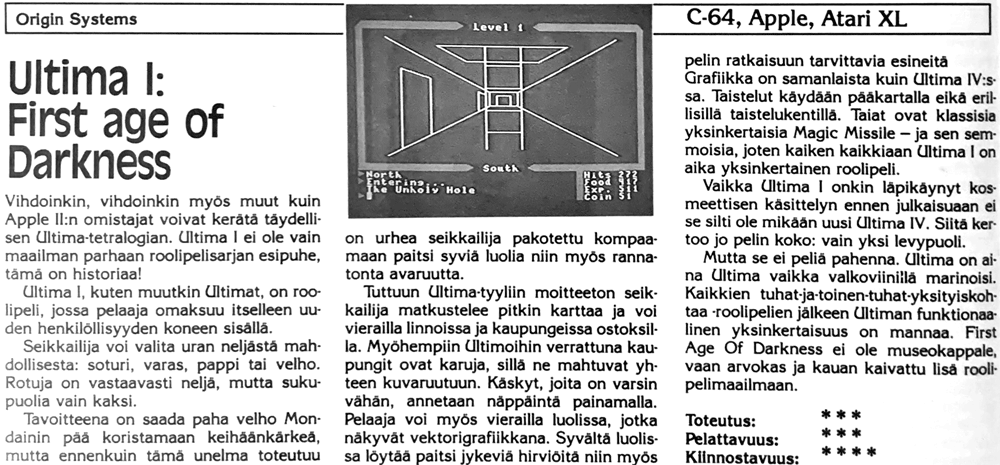
Tuttuun Ultima-tyyliin moitteeton seikkailija matkustelee pitkin karttaa ja voi vierailla linnoissa ja kaupungeissa ostoksilla. Myöhempiin Ultimoihin verrattuna kaupungit ovat karuja, sillä ne mahtuvat yhteen kuvaruutuun. Käskyt, joita on varsin vähän, annetaan näppäintä painamalla. Pelaaja voi myös vierailla luolissa, jotka näkyvät vektorigrafiikkana. Syvältä luolissa löytää paitsi jykeviä hirviöitä niin myös pelin ratkaisuun tarvittavia esineitä
Grafiikka on samanlaista kuin Ultima IV:ssä. Taistelut käydään pääkartalla eikä erillisillä taistelukentillä. Taiat ovat klassisia yksinkertaisia Magic Missile - ja sen semmoisia, joten kaiken kaikkiaan Ultima I on aika yksinkertainen roolipeli.
Vaikka Ultima I onkin läpikäynyt kosmeettisen käsittelyn ennen julkaisuaan ei se silti ole mikään uusi Ultima IV. Siitä kertoo jo pelin koko: vain yksi levypuoli.
Mutta se ei peliä pahenna. Ultima on aina Ultima vaikka valkoviinillä marinoisi. Kaikkien tuhat-ja-toinen-tuhat-yksityiskohtaa -roolipelien jälkeen Ultiman funktionaalinen yksinkertaisuus on mannaa. First Age Of Darkness ei ole museokappale, vaan arvokas ja kauan kaivattu lisä roolipelimaailmaan.
Ultima I: First age of Darkness1987PermalinkAt last, at last, owners of machines other than the Apple II can collect the complete Ultima tetralogy too. Ultima I isn't just the prologue to the world's best role-playing series - this is history!
Ultima I, like the other Ultimas, is a role-playing game in which the player takes on a new identity inside the machine.
The adventurer can choose from four possible careers: fighter, thief, cleric or wizard. There are likewise four races, but only two sexes.
The goal is to get the head of the evil wizard Mondain adorning the tip of a spear, but before this dream comes true our brave adventurer is forced to trek not only through deep dungeons but also through boundless space.
In familiar Ultima style, our spotless adventurer travels around the map and can visit castles and towns to do some shopping. Compared with the later Ultimas the towns are bare, since each one fits on a single screen. Commands, of which there are rather few, are given by pressing a key. The player can also visit dungeons, which are shown in vector graphics. Deep in the dungeons you'll find not only hefty monsters but also items you need to complete the game.
The graphics are similar to Ultima IV's. Battles are fought on the main map rather than on separate battlefields. The spells are simple classics - Magic Missile and suchlike - so all in all Ultima I is a fairly simple role-playing game.
Even though Ultima I has been given a cosmetic makeover before its release, it's still no new Ultima IV. The size of the game alone tells you that: just one disk side.
But that doesn't make the game any worse. An Ultima is always an Ultima, even if you marinate it in white wine. After all those thousand-and-then-another-thousand-details role-playing games, Ultima's functional simplicity is manna. First Age Of Darkness is no museum piece but a valuable and long-awaited addition to the role-playing world.
Ultima II: Revenge of the Enchantress
Ultima II: Revenge of the Enchantress1987Pysyvä linkkiJossain Ajan sokkeloissa piileksii Minax. Urhean seikkailijan täytyy oppia käyttämään aika-ovia, ratkaista tukku arvoituksia ja jopa vierailla avaruudessa puhumattakaan tuhansien hirviöiden tappamisesta ennen kuin vierailu velhon linnassa takaa Minaxin aikakauden lopun.
Tämä on peli, josta Ultima-saaga sai alkunsa, sillä päinvastoin kuin Ultima I, joka ilmestyi aikoinaan vain Apple-koneille, U2 oli saatavissa lähes joka jenkkikoneelle. Ja ansaitusti kakkonen kohosi kulttipeliksi.
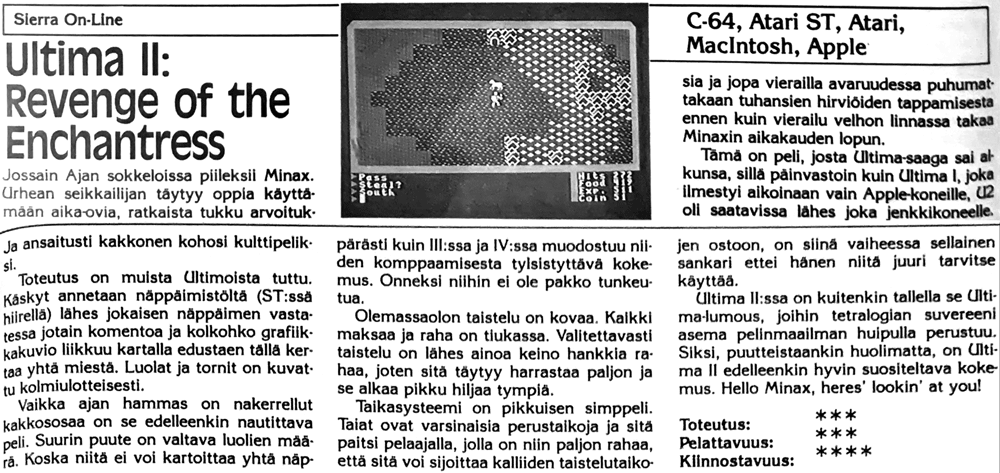
Toteutus on muista Ultimoista tuttu. Käskyt annetaan näppäimistöltä (ST:ssä hiirellä) lähes jokaisen näppäimen vastatessa jotain komentoa ja kolkohko grafiikkakuvio liikkuu kartalla edustaen tällä kertaa yhtä miestä. Luolat ja tornit on kuvattu kolmiulotteisesti.
Vaikka ajan hammas on nakerrellut kakkososaa on se edelleenkin nautittava peli. Suurin puute on valtava luolien määrä. Koska niitä ei voi kartoittaa yhtä näppärästi kuin III:ssa ja IV:ssa muodostuu niiden komppaamisesta tylsistyttävä kokemus. Onneksi niihin ei ole pakko tunkeutua.
Olemassaolon taistelu on kovaa. Kaikki maksaa ja raha on tiukassa. Valitettavasti taistelu on lähes ainoa keino hankkia rahaa, joten sitä täytyy harrastaa paljon ja se alkaa pikku hiljaa tympiä.
Taikasysteemi on pikkuisen simppeli. Taiat ovat varsinaisia perustaikoja ja sitä paitsi pelaajalla, jolla on niin paljon rahaa, että sitä voi sijoittaa kalliiden taistelutaikojen ostoon, on siinä vaiheessa sellainen sankari ettei hänen niitä juuri tarvitse käyttää.
Ultima II:ssa on kuitenkin tallella se Ultima-lumous, joihin tetralogian suvereeni asema pelinmaailman huipulla perustuu. Siksi, puutteistaankin huolimatta, on Ultima II edelleenkin hyvin suositeltava kokemus. Hello Minax, heres' lookin' at you!
Ultima II: Revenge of the Enchantress1987PermalinkSomewhere in the labyrinths of Time lurks Minax. The brave adventurer must learn to use the time doors, solve a whole bunch of riddles and even pay a visit to outer space, not to mention killing thousands of monsters, before a visit to the sorceress's castle guarantees the end of Minax's era.
This is the game where the Ultima saga got its start, because unlike Ultima I, which in its day came out only for Apple machines, U2 was available for almost every Yankee computer. And deservedly, number two rose to become a cult game.
The execution is familiar from the other Ultimas. Commands are given from the keyboard (with the mouse on the ST), with nearly every key standing for some command, and a rather drab little graphic moves around the map, this time representing a single man. Dungeons and towers are shown in 3D.
Although time has had a good gnaw at part two, it's still an enjoyable game. The biggest flaw is the huge number of dungeons. Since you can't map them as handily as in III and IV, trudging through them turns into a tedious experience. Luckily you don't have to go into them.
The struggle for existence is tough. Everything costs money and money is tight. Unfortunately fighting is just about the only way to get money, so you have to do a lot of it, and little by little it starts to get on your nerves.
The magic system is a tad simple. The spells are real bread-and-butter basics, and besides, a player with so much money that they can afford to invest it in expensive combat spells has, by that stage, such a hero that the spells hardly need using anyway.
Ultima II has nevertheless kept that Ultima magic on which the tetralogy's sovereign position at the top of the gaming world rests. That's why, despite its shortcomings, Ultima II is still a highly recommended experience. Hello Minax, here's lookin' at you!
Ultima III: Exodus
Ultima III: Exodus1987Pysyvä linkkiUltima III: peli joka järkytti maailmaa! Ultimat I & II loivat jo vannoutuneen Ultima-pelaajien kultin, mutta vasta Exodus löi Lord Britishin läpi joka puolella maailmaa.
Asiaa ei voi ihmetellä. Edelleenkin ainoa tietokone-roolipeli, joka on parempi kuin Exodus, on (oikein arvattu, lapset!) Ultima IV. Lord Britishin puolijumaluus on tämän pelin jälkeen selvä.
Juonesta ei kannata pahemmin puhua, jottei niiden, jotka peliä vielä eivät ole pelanneet, jännitys katoaisi.
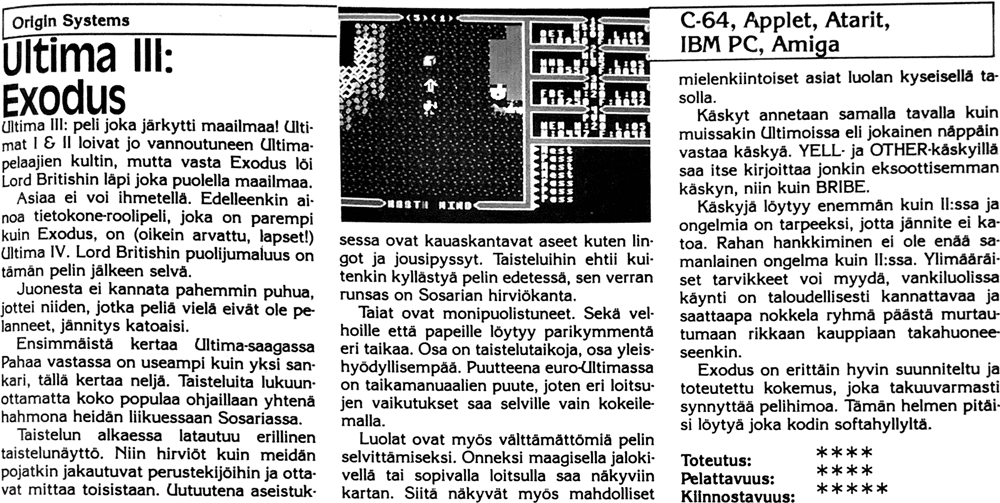
Ensimmäistä kertaa Ultima-saagassa Pahaa vastassa on useampi kuin yksi sankari, tällä kertaa neljä. Taisteluita lukuunottamatta koko populaa ohjaillaan yhtenä hahmona heidän liikuessaan Sosariassa.
Taistelun alkaessa latautuu erillinen taistelunäyttö. Niin hirviöt kuin meidän pojatkin jakautuvat perustekijöihin ja ottavat mittaa toisistaan. Uutuutena aseistuksessa ovat kauaskantavat aseet kuten lingot ja jousipyssyt. Taisteluihin ehtii kuitenkin kyllästyä pelin edetessä, sen verran runsas on Sosarian hirviökanta.
Taiat ovat monipuolistuneet. Sekä velhoille että papeille löytyy parikymmentä eri taikaa. Osa on taistelutaikoja, osa yleishyödyllisempää. Puutteena euro-Ultimassa on taikamanuaalien puute, joten eri loitsujen vaikutukset saa selville vain kokeilemalla.
Luolat ovat myös välttämättömiä pelin selvittämiseksi. Onneksi maagisella jalokivellä tai sopivalla loitsulla saa näkyviin kartan. Siitä näkyvät myös mahdolliset mielenkiintoiset asiat luolan kyseisellä tasolla.
Käskyt annetaan samalla tavalla kuin muissakin Ultimoissa eli jokainen näppäin vastaa käskyä. YELL- ja OTHER-käskyillä saa itse kirjoittaa jonkin eksoottisemman käskyn, niin kuin BRIBE.
Käskyjä löytyy enemmän kuin II:ssa ja ongelmia on tarpeeksi, jotta jännite ei katoa. Rahan hankkiminen ei ole enää samanlainen ongelma kuin II:ssa. Ylimääräiset tarvikkeet voi myydä, vankiluolissa käynti on taloudellisesti kannattavaa ja saattaapa nokkela ryhmä päästä murtautumaan rikkaan kauppiaan takahuoneeseenkin.
Exodus on erittäin hyvin suunniteltu ja toteutettu kokemus, joka takuuvarmasti synnyttää pelihimoa. Tämän helmen pitäisi löytyä joka kodin softahyllyltä.
Ultima III: Exodus1987PermalinkUltima III: the game that shook the world! Ultimas I & II had already created a cult of devoted Ultima players, but it took Exodus to make Lord British break through all over the world.
No wonder. To this day the only computer role-playing game that's better than Exodus is (you guessed it, kids!) Ultima IV. After this game, Lord British's demigod status is plain to see.
There's no point saying much about the plot, so as not to spoil the suspense for those who haven't played the game yet.
For the first time in the Ultima saga, Evil is up against more than one hero, four this time. Except in battle, the whole gang is steered as a single figure as they move about Sosaria.
When a battle starts, a separate combat screen loads. The monsters and our boys alike break down into their prime factors and take each other's measure. New to the arsenal are long-range weapons such as slings and bows. You do get fed up with the battles as the game goes on, though, that's how plentiful Sosaria's monster population is.
The spells have become more varied. Wizards and clerics alike get some twenty different spells each. Some are combat spells, some are more of general use. The Euro-Ultima's shortcoming is that the spell manuals are missing, so the only way to find out what the various spells do is by experimenting.
The dungeons are also essential to completing the game. Luckily a magic gem or a suitable spell will bring up a map. It also shows any interesting things there may be on that particular level of the dungeon.
Commands are given the same way as in the other Ultimas, i.e. every key corresponds to a command. With the YELL and OTHER commands you can type in some more exotic command yourself, such as BRIBE.
There are more commands than in II, and there are enough problems to keep the tension from fading. Getting money is no longer the same kind of problem it was in II. You can sell surplus equipment, trips down the dungeons pay off financially, and a clever party might even manage to break into a rich merchant's back room.
Exodus is an extremely well designed and executed experience that is guaranteed to spark a craving to play. This gem ought to be found on every home's software shelf.
Ultima IV: Quest of the Avatar
Ultima IV: Quest of the Avatar1987Pysyvä linkkiAstuin ovesta. Sekalainen valikoima örkkejä, demoneja ja muita miellyttäviä tuttavuuksia kohotti katseensa järsimästään ruumiista. "Pikalounaan paikka!", kuului iloinen huudahdus. "Jäitä hattuun pojat!" huudahdin nokkelasti ja lasautin lähintä jääpalloloitsulla. "Hyvin puhuttu, lordi Nirvi" tokaisi Geoffrey ja jatkoi "Ei tuumaakaan periksi, vaan kolmekymmentä tuumaa lävitse" ja rei'itti tunkeilevan demonin miekallaan. Vankiluolan saunassa otettiin hirveät verilöylyt.
Joskus maanantaiaamuisin toivoisi asuvansa maailmassa, jossa voisi seikkailla pitkin maita ja meriä, taistella rahapulan asemasta lohikäärmeitä vastaan ja jossa taikuus merkitsisi muutakin kuin kania ja silkkihattua. Se toive tuskin toteutuu, mutta askel siihen suuntaan on Ultima IV, Ultima-perheen uutukainen. Ultimat ovat Dungeons & Dragons -tyyppisiä roolipelejä, joissa pelaajan tietokonehenkilöitymän toimintaan vaikuttavat erilaiset ominaisuudet, kuten voimakkuus ja älykkyys. Ultima IV on yhtä laaja kuin syväkin. Kymmeniä kaupunkeja, kyliä, linnoja sun muita joissa voi vierailla. Jokaisessa kymmeniä asukkaita, joilla on omat nimet ja joiden kanssa voi ja jopa täytyy keskustella, jotta saa selville, mistä pelissä on kysymys. Jotkut ovat valmiita lähtemään mukaan ja vaikka yksin pelin alussa oletkin, lopussa vaaditaan kahdeksan hengen joukkue. Tietystikään varkaan ja pelkurin matkaan ei lähde kukaan. Aivan, Ultima IV on peli, jossa pelaajan moraali näyttelee tärkeää osaa. Siitä ja sen kehityksestä kertoo näkijä Hawkwind, jota kannattaa vähän väliä käydä katsomassa.
Kaiken tämän lisäksi löytyy useita syviä vankiluolia, kymmeniä erilaisia ja eri tavalla vaikuttavia loitsuja, leegio hirviölajeja ja valtavan laaja pelialue, noin kuusi kertaa Ultima III:n kokoinen. Tiu tehtäviä ja sata seikkailua takaa tekemisen tarpeen tyydyttymisen. Jo rupeaa käsi haromaan miekankahvaa ja vaimo pakkaamaan matkaevästä!
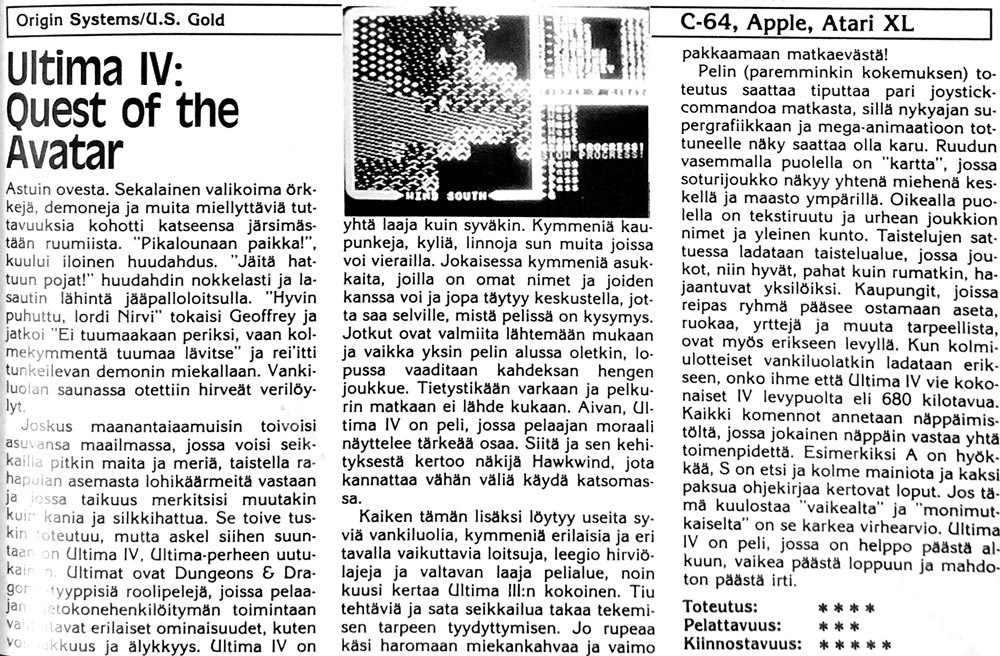
Pelin (paremminkin kokemuksen) toteutus saattaa tiputtaa pari joystick-commandoa matkasta, sillä nykyajan supergrafiikkaan ja mega-animaatioon tottuneelle näky saattaa olla karu. Ruudun vasemmalla puolella on "kartta", jossa soturijoukko näkyy yhtenä miehenä keskellä ja maasto ympärillä. Oikealla puolella on tekstiruutu ja urhean joukkion nimet ja yleinen kunto. Taistelujen sattuessa ladataan taistelualue, jossa joukot, niin hyvät, pahat kuin rumatkin, hajaantuvat yksilöiksi. Kaupungit, joissa reipas ryhmä pääsee ostamaan aseta, ruokaa, yrttejä ja muuta tarpeellista, ovat myös erikseen levyllä. Kun kolmiulotteiset vankiluolatkin ladataan erikseen, onko ihme että Ultima IV vie kokonaiset IV levypuolta eli 680 kilotavua. Kaikki komennot annetaan näppäimistöltä, jossa jokainen näppäin vastaa yhtä toimenpidettä. Esimerkiksi A on hyökkää, S on etsi ja kolme mainiota ja kaksi paksua ohjekirjaa kertovat loput. Jos tämä kuulostaa "vaikealta" ja "monimutkaiselta" on se karkea virhearvio. Ultima IV on peli, jossa on helppo päästä alkuun, vaikea päästä loppuun ja mahdoton päästä irti.
Ultima IV: Quest of the Avatar1987PermalinkI stepped through the door. An assorted selection of orcs, demons and other pleasant acquaintances looked up from the corpse they were gnawing. "Time for a quick lunch!" came a cheerful cry. "Chill out, boys!" I exclaimed wittily, and blasted the nearest one with an ice ball spell. "Well spoken, Lord Nirvi," Geoffrey remarked, and went on, "Not yielding an inch - but thirty inches straight through!" and perforated the intruding demon with his sword. Down in the dungeon sauna, a truly horrific bloodbath was had.
Some Monday mornings you wish you lived in a world where you could adventure across land and sea, fight dragons instead of a cash shortage, and where magic meant something more than a rabbit and a silk hat. That wish is hardly going to come true, but a step in that direction is Ultima IV, the latest arrival in the Ultima family. The Ultimas are Dungeons & Dragons-style role-playing games in which the actions of the player's computer personification are affected by various attributes, such as strength and intelligence. Ultima IV is as broad as it is deep. Dozens of towns, villages, castles and whatnot to visit. Each with dozens of inhabitants who have names of their own and whom you can, and in fact must, talk to in order to find out what the game is all about. Some are willing to come along, and although you start the game alone, by the end an eight-strong party is required. Naturally, nobody is going to set off on a journey with a thief and a coward. That's right, Ultima IV is a game in which the player's morality plays an important part. The seer Hawkwind, who is worth dropping in on every now and then, tells you about it and how it is developing.
On top of all this there are several deep dungeons, dozens of different spells with different effects, a legion of monster species and an enormous playing area, roughly six times the size of Ultima III's. A score of quests and a hundred adventures guarantee that the need for something to do gets thoroughly satisfied. Already the hand is starting to grope for the sword hilt and the wife to pack provisions for the road!
The execution of the game (or rather, the experience) may shake off a couple of joystick commandos along the way, since to anyone used to present-day super-graphics and mega-animation the sight may look rather austere. On the left side of the screen is a "map", on which the band of warriors appears as a single man in the middle with the terrain around it. On the right side is a text window, plus the names and general condition of the valiant troupe. When a battle breaks out, a combat area is loaded in which the forces - the good, the bad and the ugly alike - scatter into individuals. The towns, where the plucky party gets to buy weapons, food, herbs and other necessities, are also stored separately on the disk. When the three-dimensional dungeons are loaded separately as well, is it any wonder that Ultima IV takes up a whole IV disk sides, or 680 kilobytes? All commands are given from the keyboard, where each key corresponds to one action. For example, A is attack, S is search, and three excellent and two thick manuals tell you the rest. If this sounds "difficult" and "complicated", that is a gross misjudgement. Ultima IV is a game that is easy to get into, hard to get through and impossible to get away from.
Ultima Trilogy
Ultima Trilogy1989 SyksyPysyvä linkkiKokoelmien vitsaus on ehtinyt runnella pahasti maailmaa, mutta nyt ne ovat alkaneet turmella niitä harvoja pyhiä arvoja, mitä maailmassamme vielä on jäljellä: ULTIMOITA!
Henkisen järistyksen mentyä ohi löytää pelaajaraunio laatikon sisältä kolme lerppua, joiden pinnalla hohtavat maagiset riimut kertovat niiden sisältävän Ultimat I:stä III:een. Lisäksi loota sisältää pari pikaopasta peliin, ohjekirjan johon on ängätty kaikkien Ultimoiden ohjeet ja kolme kerrassaan kiihottavaa karttaa.
Ultimoiden luulisi jo olevan jokaiselle tuttuja, tai ainakin tunnettuja. Kokoelma antaa upean mahdollisuuden saada käsiinsä vanhemmat Ultimat, joita on ollut vaikea löytää mistään. Monet Ultimaatikot ovat pelanneet läpi kaikki muut paitsi ykköstä juuri vaikean saatavuuden takia. Joten nyt: siitä vaan!
Ultima I:stä pelatessa huomaa, että se tosiaankin on wanha. Jotenkin kaikki antaa antiikkisen, karun tunteen. Ääniefektit (nekin vähäiset) saa onneksi käännettyä pois. Mutta se tärkein, Ultimoiden lumo, on jo olemassa. Yhden ainoan hahmon ohjaaminen tuntuu hieman oudolta toisten, multi-hahmoisten pelien (Mars Saga) jälkeen mutta kyllä se siitä. Parantamisoption puuttuminen ihmetyttää, mutta keinot palauttaa hahmo elävämmäksi löytyvät.
Ultima II on hiukan kehittyneempi. Toiminta tapahtuu edelleen yhden hahmon ohjaimissa, ja paljon on yhteistä U 1:een. Paikkansa pitää edelleen sekin totuus, että varkaalla rahat säästyvät.
U3 on jo sinänsä legenda, josta ei enää tarvitse kehuja vuodatella - monet muut ovat sen jo tehneet paremmin.
Jos on olemassa adjektiivia tätä 'kokoelmaa' kuvaamaan, olisin minäkin halukas sen kuulemaan. Mutta tyhmänä minun on tyydyttävä kuolaamaan pakkauksen edessä ja uhraamaan Lord Britishille.
Roolipelaajille Ultima Trilogy on ehdoton paketti: halpaan hintaan kolme upeaa (enemmän tai vähemmän) rpg:tä.
Ultima Trilogy1989 SyksyPermalinkThe scourge of compilations has already managed to ravage the world badly, but now they have started defiling those few sacred values still left in our world: THE ULTIMAS!
Once the mental earthquake has passed, the wreck of a player finds inside the box three floppies, on whose surfaces glowing magic runes reveal that they contain Ultimas I to III. The box also holds a couple of quick-reference guides to the game, a manual into which the instructions for all the Ultimas have been crammed, and three downright titillating maps.
You'd think the Ultimas would be familiar to everyone by now, or at least heard of. The compilation is a superb chance to get your hands on the older Ultimas, which have been hard to find anywhere. Many Ultimaniacs have played through all the others except number one, precisely because it's been so hard to come by. So now: go for it!
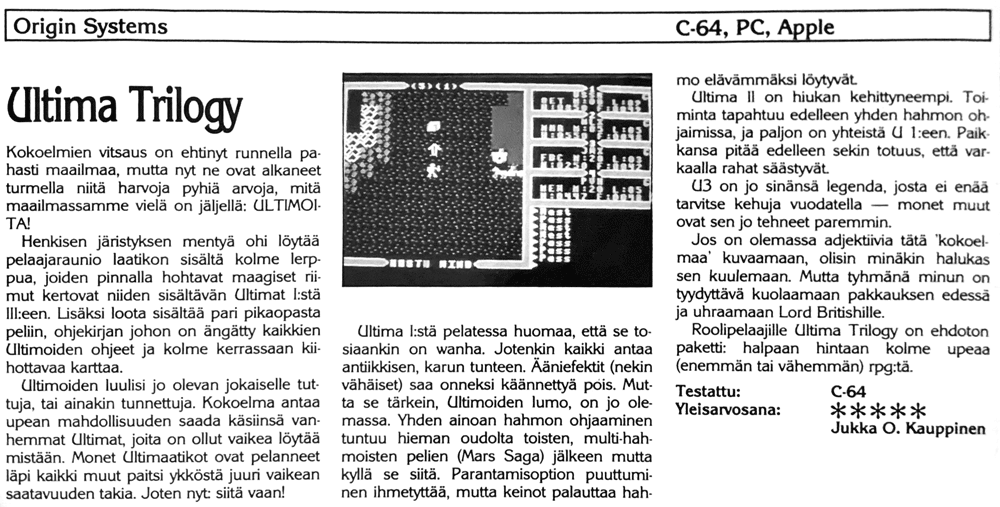
Playing Ultima I, you notice that it really is olde. Somehow everything gives off an antique, spartan feel. The sound effects (sparse as they are) can luckily be switched off. But the most important thing, the Ultima magic, is already there. Controlling one single character feels a bit odd after other, multi-character games (Mars Saga), but you get used to it. The lack of a healing option is puzzling, but ways of restoring your character to a more living state do exist.
Ultima II is a little more advanced. The action still takes place with you at the controls of a single character, and it has a lot in common with U 1. It also still holds true that a thief gets to hang on to his money.
U3 is a legend in itself, and there's no need to pour out any more praise for it - plenty of others have already done that better.
If there is an adjective to describe this 'compilation', I'd be keen to hear it too. But dim as I am, I'll have to make do with drooling in front of the package and making sacrifices to Lord British.
For role-players Ultima Trilogy is an essential package: three superb (more or less) RPGs at a low price.
Ultima V
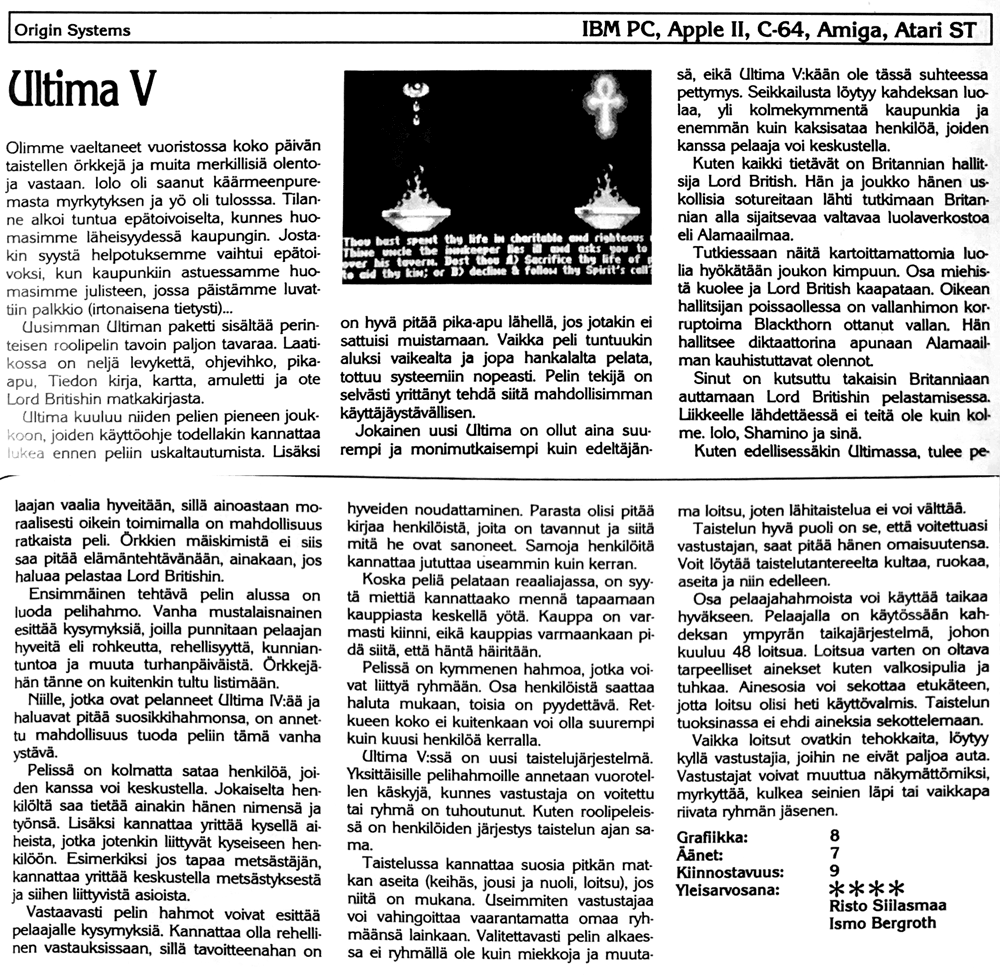
Ultima V1988Pysyvä linkkiOlimme vaeltaneet vuoristossa koko päivän taistellen örkkejä ja muita merkillisiä olentoja vastaan. Iolo oli saanut käärmeenpuremasta myrkytyksen ja yö oli tulosssa. Tilanne alkoi tuntua epätoivoiselta, kunnes huomasimme läheisyydessä kaupungin. Jostakin syystä helpotuksemme vaihtui epätoivoksi, kun kaupunkiin astuessamme huomasimme julisteen, jossa päistämme luvattiin palkkio (irtonaisena tietysti)...
Uusimman Ultiman paketti sisältää perinteisen roolipelin tavoin paljon tavaraa. Laatikossa on neljä levykettä, ohjevihko, pika-apu, Tiedon kirja, kartta, amuletti ja ote Lord Britishin matkakirjasta.
Ultima kuuluu niiden pelien pieneen joukkoon, joiden käyttöohje todellakin kannattaa lukea ennen peliin uskaltautumista. Lisäksi on hyvä pitää pika-apu lähellä, jos jotakin ei sattuisi muistamaan. Vaikka peli tuntuukin aluksi vaikealta ja jopa hankalalta pelata, tottuu systeemiin nopeasti. Pelin tekijä on selvästi yrittänyt tehdä siitä mahdollisimman käyttäjäystävällisen.
Jokainen uusi Ultima on ollut aina suurempi ja monimutkaisempi kuin edeltäjänsä, eikä Ultima V:kään ole tässä suhteessa pettymys. Seikkailusta löytyy kahdeksan luolaa, yli kolmekymmentä kaupunkia ja enemmän kuin kaksisataa henkilöä, joiden kanssa pelaaja voi keskustella.
Kuten kaikki tietävät on Britannian hallitsija Lord British. Hän ja joukko hänen uskollisia sotureitaan lähti tutkimaan Britannian alla sijaitsevaa valtavaa luolaverkostoa eli Alamaailmaa.
Tutkiessaan näitä kartoittamattomia luolia hyökätään joukon kimpuun. Osa miehistä kuolee ja Lord British kaapataan. Oikean hallitsijan poissaollessa on vallanhimon korruptoima Blackthorn ottanut vallan. Hän hallitsee diktaattorina apunaan Alamaailman kauhistuttavat olennot.
Sinut on kutsuttu takaisin Britanniaan auttamaan Lord Britishin pelastamisessa. Liikkeelle lähdettäessä ei teitä ole kuin kolme. Iolo, Shamino ja sinä.
Kuten edellisessäkin Ultimassa, tulee pelaajan vaalia hyveitään, sillä ainoastaan moraalisesti oikein toimimalla on mahdollisuus ratkaista peli. Örkkien mäiskimistä ei siis saa pitää elämäntehtävänään, ainakaan, jos haluaa pelastaa Lord Britishin.
Ensimmäinen tehtävä pelin alussa on luoda pelihahmo. Vanha mustalaisnainen esittää kysymyksiä, joilla punnitaan pelaajan hyveitä eli rohkeutta, rehellisyyttä, kunniantuntoa ja muuta turhanpäiväistä. Örkkejähän tänne on kuitenkin tultu listimään.
Niille, jotka ovat pelanneet Ultima IV:ää ja haluavat pitää suosikkihahmonsa, on annettu mahdollisuus tuoda peliin tämä vanha ystävä.
Pelissä on kolmatta sataa henkilöä, joiden kanssa voi keskustella. Jokaiselta henkilöltä saa tietää ainakin hänen nimensä ja työnsä. Lisäksi kannattaa yrittää kysellä aiheista, jotka jotenkin liittyvät kyseiseen henkilöön. Esimerkiksi jos tapaa metsästäjän, kannattaa yrittää keskustella metsästyksestä ja siihen liittyvistä asioista.
Vastaavasti pelin hahmot voivat esittää pelaajalle kysymyksiä. Kannattaa olla rehellinen vastauksissaan, sillä tavoitteenahan on hyveiden noudattaminen. Parasta olisi pitää kirjaa henkilöistä, joita on tavannut ja siitä mitä he ovat sanoneet. Samoja henkilöitä kannattaa jututtaa useammin kuin kerran.
Koska peliä pelataan reaaliajassa, on syytä miettiä kannattaako mennä tapaamaan kauppiasta keskellä yötä. Kauppa on varmasti kiinni, eikä kauppias varmaankaan pidä siitä, että häntä häiritään.
Pelissä on kymmenen hahmoa, jotka voivat liittyä ryhmään. Osa henkilöistä saattaa haluta mukaan, toisia on pyydettävä. Retkueen koko ei kuitenkaan voi olla suurempi kuin kuusi henkilöä kerralla.
Ultima V:ssä on uusi taistelujärjestelmä. Yksittäisille pelihahmoille annetaan vuorotellen käskyjä, kunnes vastustaja on voitettu tai ryhmä on tuhoutunut. Kuten roolipeleissä on henkilöiden järjestys taistelun ajan sama.
Taistelussa kannattaa suosia pitkän matkan aseita (keihäs, jousi ja nuoli, loitsu), jos niitä on mukana. Useimmiten vastustajaa voi vahingoittaa vaarantamatta omaa ryhmäänsä lainkaan. Valitettavasti pelin alkaessa ei ryhmällä ole kuin miekkoja ja muutama loitsu, joten lähitaistelua ei voi välttää.
Taistelun hyvä puoli on se, että voitettuasi vastustajan, saat pitää hänen omaisuutensa. Voit löytää taistelutantereelta kultaa, ruokaa, aseita ja niin edelleen.
Osa pelaajahahmoista voi käyttää taikaa hyväkseen. Pelaajalla on käytössään kahdeksan ympyrän taikajärjestelmä, johon kuuluu 48 loitsua. Loitsua varten on oltava tarpeelliset ainekset kuten valkosipulia ja tuhkaa. Ainesosia voi sekottaa etukäteen, jotta loitsu olisi heti käyttövalmis. Taistelun tuoksinassa ei ehdi aineksia sekottelemaan.
Vaikka loitsut ovatkin tehokkaita, löytyy kyllä vastustajia, joihin ne eivät paljoa auta. Vastustajat voivat muuttua näkymättömiksi, myrkyttää, kulkea seinien läpi tai vaikkapa riivata ryhmän jäsenen.
Ultima V1988PermalinkWe had been wandering in the mountains all day, fighting orcs and other strange creatures. Iolo had been poisoned by a snakebite and night was coming on. The situation was starting to feel desperate, until we spotted a town nearby. For some reason our relief turned to despair when, on entering the town, we noticed a poster promising a reward for our heads (detached, of course)...
Like a traditional role-playing game, the package of the latest Ultima contains plenty of stuff. The box holds four disks, an instruction booklet, a quick reference card, the Book of Lore, a map, an amulet and an excerpt from Lord British's travel journal.
Ultima belongs to that small group of games whose manual really is worth reading before you venture into the game. It's also a good idea to keep the quick reference card close by, in case something happens to slip your mind. Although the game feels difficult and even awkward to play at first, you soon get used to the system. The game's author has clearly tried to make it as user-friendly as possible.
Every new Ultima has always been bigger and more complex than its predecessor, and Ultima V is no disappointment in this respect either. The adventure has eight dungeons, over thirty towns and more than two hundred characters the player can talk to.
As everybody knows, the ruler of Britannia is Lord British. He and a band of his loyal warriors set out to explore the vast network of caves lying beneath Britannia, in other words the Underworld.
While they are exploring these uncharted caves, the band is attacked. Some of the men die and Lord British is captured. In the rightful ruler's absence, Blackthorn, corrupted by the lust for power, has seized control. He rules as a dictator, aided by the horrifying creatures of the Underworld.
You have been summoned back to Britannia to help rescue Lord British. When you set out, there are only three of you. Iolo, Shamino and you.
As in the previous Ultima, the player has to cherish their virtues, since only by acting in a morally right way is there any chance of solving the game. So you mustn't make bashing orcs your life's mission, at least not if you want to rescue Lord British.
The first task at the start of the game is to create your character. An old gypsy woman asks questions that weigh up the player's virtues, i.e. valour, honesty, honour and other such frivolous nonsense. After all, it's orcs we came here to bump off.
Those who have played Ultima IV and want to keep their favourite character have been given the chance to bring this old friend into the game.
The game has well over two hundred characters you can talk to. From every character you can find out at least their name and their job. It's also worth trying to ask about subjects that are somehow connected with the person in question. For example, if you meet a hunter, it's worth trying to talk about hunting and things related to it.
Likewise, the game's characters can ask the player questions. It pays to be honest in your answers, since the aim, after all, is to follow the virtues. It would be best to keep a record of the people you have met and of what they have said. It's worth chatting to the same people more than once.
Since the game is played in real time, you should think about whether there's any point going to see a merchant in the middle of the night. The shop is bound to be closed, and the merchant probably won't like being disturbed.
There are ten characters in the game who can join the party. Some of them may want to come along, others have to be asked. The party can't, however, number more than six people at a time.
Ultima V has a new combat system. The individual characters are given orders in turn until the enemy has been defeated or the party has been wiped out. As in role-playing games, the characters' order stays the same throughout the battle.
In combat it's worth favouring long-range weapons (spear, bow and arrow, spell) if you have any with you. Most of the time you can harm the enemy without putting your own party at any risk at all. Unfortunately, at the start of the game the party has nothing but swords and a few spells, so close combat can't be avoided.
The good side of combat is that once you've beaten an opponent, you get to keep their belongings. You can find gold, food, weapons and so on lying about the battlefield.
Some of the player characters can make use of magic. The player has an eight-circle magic system at their disposal, with 48 spells in it. A spell needs the necessary ingredients, such as garlic and ash. The ingredients can be mixed in advance so that the spell is ready for use straight away. In the heat of battle there's no time to go mixing ingredients.
Although the spells are effective, there are certainly opponents they don't help much against. Opponents can turn invisible, poison you, walk through walls or even possess a member of the party.
Ultima VI: The False Prophet
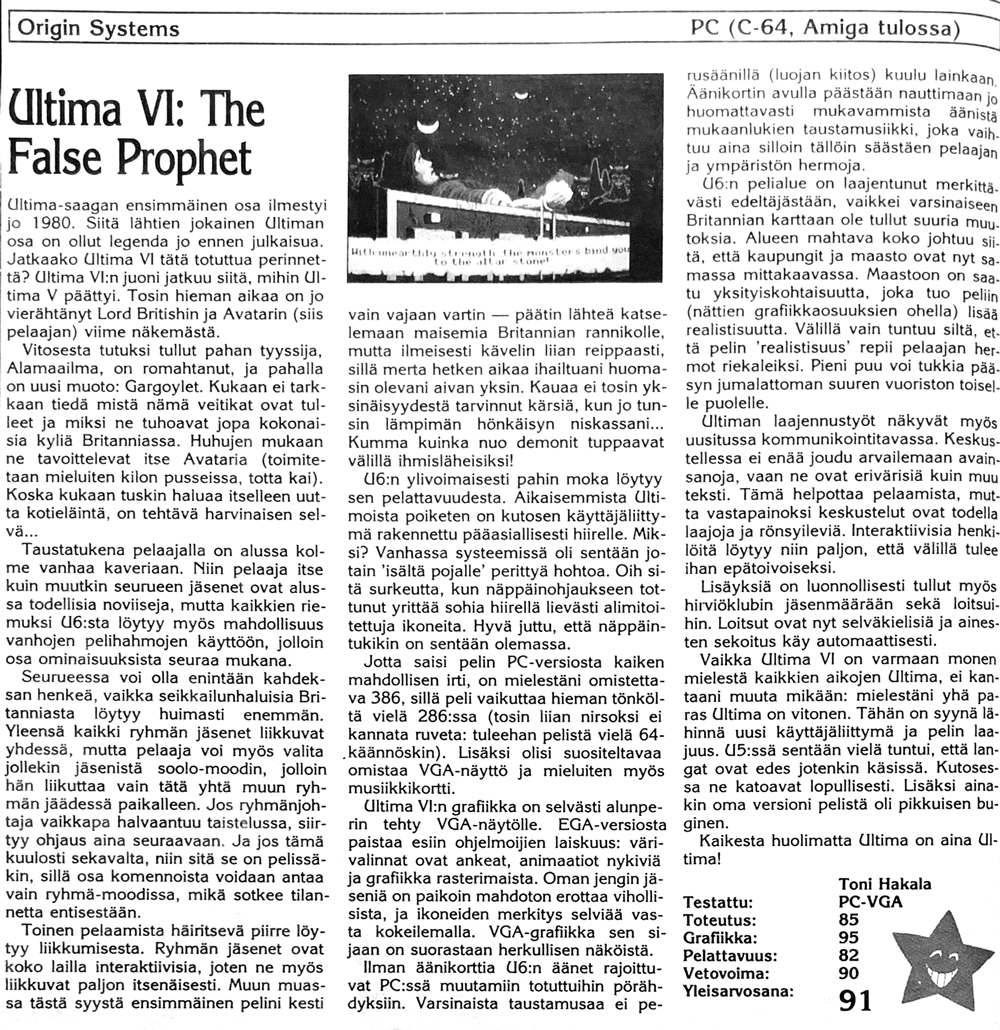
Ultima VI: The False Prophet1990 SyksyPysyvä linkkiUltima-saagan ensimmäinen osa ilmestyi jo 1980. Siitä lähtien jokainen Ultiman osa on ollut legenda jo ennen julkaisua. Jatkaako Ultima VI tätä totuttua perinnettä? Ultima VI:n juoni jatkuu siitä, mihin Ultima V päättyi. Tosin hieman aikaa on jo vierähtänyt Lord Britishin ja Avatarin (siis pelaajan) viime näkemästä.
Vitosesta tutuksi tullut pahan tyyssija, Alamaailma, on romahtanut, ja pahalla on uusi muoto: Gargoylet. Kukaan ei tarkkaan tiedä mistä nämä veitikat ovat tulleet ja miksi ne tuhoavat jopa kokonaisia kyliä Britanniassa. Huhujen mukaan ne tavoittelevat itse Avataria (toimitetaan mieluiten kilon pusseissa, totta kai). Koska kukaan tuskin haluaa itselleen uutta kotieläintä, on tehtävä harvinaisen selvä...
Taustatukena pelaajalla on alussa kolme vanhaa kaveriaan. Niin pelaaja itse kuin muutkin seurueen jäsenet ovat alussa todellisia noviiseja, mutta kaikkien riemuksi U6:sta löytyy myös mahdollisuus vanhojen pelihahmojen käyttöön, jolloin osa ominaisuuksista seuraa mukana.
Seurueessa voi olla enintään kahdeksan henkeä, vaikka seikkailunhaluisia Britanniasta löytyy huimasti enemmän. Yleensä kaikki ryhmän jäsenet liikkuvat yhdessä, mutta pelaaja voi myös valita jollekin jäsenistä soolo-moodin, jolloin hän liikuttaa vain tätä yhtä muun ryhmän jäädessä paikalleen. Jos ryhmänjohtaja vaikkapa halvaantuu taistelussa, siirtyy ohjaus aina seuraavaan. Ja jos tämä kuulosti sekavalta, niin sitä se on pelissäkin, sillä osa komennoista voidaan antaa vain ryhmä-moodissa, mikä sotkee tilannetta entisestään.
Toinen pelaamista häiritsevä piirre löytyy liikkumisesta. Ryhmän jäsenet ovat koko lailla interaktiivisia, joten ne myös liikkuvat paljon itsenäisesti. Muun muassa tästä syystä ensimmäinen pelini kesti vain vajaan vartin - päätin lähteä katselemaan maisemia Britannian rannikolle, mutta ilmeisesti kävelin liian reippaasti, sillä merta hetken aikaa ihailtuani huomasin olevani aivan yksin. Kauaa ei tosin yksinäisyydestä tarvinnut kärsiä, kun jo tunsin lämpimän hönkäisyn niskassani... Kumma kuinka nuo demonit tuppaavat välillä ihmisläheisiksi!
U6:n ylivoimaisesti pahin moka löytyy sen pelattavuudesta. Aikaisemmista Ultimoista poiketen on kutosen käyttäjäliittymä rakennettu pääasiallisesti hiirelle. Miksi? Vanhassa systeemissä oli sentään jotain 'isältä pojalle' perittyä hohtoa. Oih sitä surkeutta, kun näppäinohjaukseen tottunut yrittää sohia hiirellä lievästi alimitoitettuja ikoneita. Hyvä juttu, että näppäintukikin on sentään olemassa.
Jotta saisi pelin PC-versiosta kaiken mahdollisen irti, on mielestäni omistettava 386, sillä peli vaikuttaa hieman tönköltä vielä 286:ssa (tosin liian nirsoksi ei kannata ruveta: tuleehan pelistä vielä 64-käännöskin). Lisäksi olisi suositeltavaa omistaa VGA-näyttö ja mieluiten myös musiikkikortti.
Ultima VI:n grafiikka on selvästi alunperin tehty VGA-näytölle. EGA-versiosta paistaa esiin ohjelmoijien laiskuus: värivalinnat ovat ankeat, animaatiot nykiviä ja grafiikka rasterimaista. Oman jengin jäseniä on paikoin mahdoton erottaa vihollisista, ja ikoneiden merkitys selviää vasta kokeilemalla. VGA-grafiikka sen sijaan on suorastaan herkullisen näköistä.
Ilman äänikorttia U6:n äänet rajoittuvat PC:ssä muutamiin totuttuihin pörähdyksiin. Varsinaista taustamusaa ei perusäänillä (luojan kiitos) kuulu lainkaan. Äänikortin avulla päästään nauttimaan jo huomattavasti mukavammista äänistä mukaanlukien taustamusiikki, joka vaihtuu aina silloin tällöin säästäen pelaajan ja ympäristön hermoja.
U6:n pelialue on laajentunut merkittävästi edeltäjästään, vaikkei varsinaiseen Britannian karttaan ole tullut suuria muutoksia. Alueen mahtava koko johtuu siitä, että kaupungit ja maasto ovat nyt samassa mittakaavassa. Maastoon on saatu yksityiskohtaisuutta, joka tuo peliin (nättien grafiikkaosuuksien ohella) lisää realistisuutta. Välillä vain tuntuu siltä, että pelin 'realistisuus' repii pelaajan hermot riekaleiksi. Pieni puu voi tukkia pääsyn jumalattoman suuren vuoriston toiselle puolelle.
Ultiman laajennustyöt näkyvät myös uusitussa kommunikointitavassa. Keskustellessa ei enää joudu arvailemaan avainsanoja, vaan ne ovat erivärisiä kuin muu teksti. Tämä helpottaa pelaamista, mutta vastapainoksi keskustelut ovat todella laajoja ja rönsyileviä. Interaktiivisia henkilöitä löytyy niin paljon, että välillä tulee ihan epätoivoiseksi.
Lisäyksiä on luonnollisesti tullut myös hirviöklubin jäsenmäärään sekä loitsuihin. Loitsut ovat nyt selväkielisiä ja ainesten sekoitus käy automaattisesti.
Vaikka Ultima VI on varmaan monen mielestä kaikkien aikojen Ultima, ei kantaani muuta mikään: mielestäni yhä paras Ultima on vitonen. Tähän on syynä lähinnä uusi käyttäjäliittymä ja pelin laajuus. U5:ssä sentään vielä tuntui, että langat ovat edes jotenkin käsissä. Kutosessa ne katoavat lopullisesti. Lisäksi ainakin oma versioni pelistä oli pikkuisen buginen.
Kaikesta huolimatta Ultima on aina Ultima!
Ultima VI: The False Prophet1990 SyksyPermalinkThe first part of the Ultima saga came out as far back as 1980. Since then every instalment of Ultima has been a legend even before its release. Does Ultima VI continue this time-honoured tradition? The plot of Ultima VI picks up where Ultima V ended. Although a little time has rolled by since Lord British and the Avatar (that is, the player) last saw each other.
The seat of evil familiar from Part Five, the Underworld, has collapsed, and evil has taken a new form: the Gargoyles. Nobody knows exactly where these rascals have come from or why they are destroying even whole villages in Britannia. Rumour has it they are after the Avatar in person (to be delivered preferably in one-kilo bags, naturally). Since hardly anyone wants a new pet for themselves, the mission is unusually clear...
For backup, the player starts out with three old pals. Both the player and the other members of the party are real novices at the start, but to everyone's delight U6 also offers the option of using old game characters, in which case some of their attributes carry over.
The party can hold at most eight people, although Britannia has vastly more adventure-hungry folk than that. Usually all the members of the group move together, but the player can also pick solo mode for one of the members, in which case they move only that one while the rest of the group stays put. If the group leader, say, gets paralysed in combat, control always passes to the next one. And if that sounded confusing, that's exactly what it is in the game too, since some commands can only be given in party mode, which muddles things even further.
Another feature that gets in the way of playing is movement. The group members are pretty thoroughly interactive, so they also wander around a lot on their own. This, among other things, is why my first game lasted just under a quarter of an hour - I decided to go and take in the scenery on the coast of Britannia, but apparently I walked too briskly, because after admiring the sea for a moment I noticed I was all alone. I didn't have to suffer the loneliness for long, though, as I soon felt a warm breath on the back of my neck... Funny how those demons tend to get so people-friendly at times!
By far U6's worst blunder is in its playability. Unlike the earlier Ultimas, the sixth one's user interface is built mainly for the mouse. Why? The old system at least had some of that 'handed down from father to son' glow. Oh, the misery, when someone used to keyboard control tries to poke at slightly undersized icons with the mouse. Good thing there's keyboard support too, at least.
To get everything possible out of the PC version of the game, in my opinion you have to own a 386, since the game feels a bit clunky even on a 286 (though there's no point getting too fussy: there's going to be a C-64 conversion of the game too, after all). It would also be advisable to own a VGA display and preferably a music card as well.
Ultima VI's graphics were clearly made for a VGA display in the first place. The programmers' laziness shines through in the EGA version: the colour choices are dreary, the animations jerky and the graphics grainy. In places it's impossible to tell members of your own gang from the enemies, and what the icons mean only becomes clear by trying them out. The VGA graphics, on the other hand, look downright delicious.
Without a sound card, U6's sound on the PC is limited to a few familiar blurts. With the basic sound there's (thank God) no actual background music at all. With a sound card you get to enjoy considerably nicer sounds, including background music that changes every now and then, sparing the nerves of the player and everyone around.
U6's game area has grown significantly compared with its predecessor, although the actual map of Britannia hasn't seen any big changes. The area's mighty size comes from the fact that the towns and the terrain are now on the same scale. The terrain has been given a level of detail that brings more realism to the game (alongside the pretty graphics sections). Sometimes, though, it feels as if the game's 'realism' is tearing the player's nerves to shreds. A small tree can block the way to the other side of a god-awfully huge mountain range.
Ultima's expansion work also shows in the revamped way of communicating. When talking to people you no longer have to guess at keywords; instead they are in a different colour from the rest of the text. This makes playing easier, but on the flip side the conversations are really extensive and rambling. There are so many interactive characters that at times you get downright desperate.
Naturally there have also been additions to the membership of the monster club, and to the spells. The spells are now in plain language, and mixing the ingredients happens automatically.
Although plenty of people will surely think Ultima VI is the Ultima of all time, nothing will change my position: in my opinion the best Ultima is still number five. The reason is mainly the new user interface and the sheer scale of the game. In U5 you at least still felt you had the threads somehow in your hands. In the sixth one they slip away for good. On top of that, my copy of the game at least was a tiny bit buggy.
Despite everything, Ultima is always Ultima!
Ultimate Ride, The
Ultimate Ride, The1991 KevätPysyvä linkkiKuusisataakuutioinen Honda ärjaisee kurviin ajajan polvilumpion viistäessä asfaltin pintaa. Mösähdettyään parin mainoskyltin läpi ja porattuaan pari reikää tunnelin seinämiin pyörä pysyy kasassa enää rautalangalla ja hyvällä tahdolla, mutta mitäpä tuosta, ajajan silmissä jo siintävät maalissa odottavat kultakutriset neitoset ja suussa maistuu shampanja. Kuten ehkä arvasit, The Ultimate Ride lupailee raivoisan vauhdikkaita hetkiä moottoripyörän sarvissa.
Aiheesta on ainakin pyritty rutistamaan kaikki irti. Valittavana on kuusi isokuutioista moottoripyörää, erilaisia kilparatoja ja ympäri maailmaa sijoitettuja maisemareittejä, joissa on parhaimmillaan vuoristorataa muistuttavaa maastoa. Mikäli valmiit reitit eivät riitä, niitä voi rakennella lisää editorin avustuksella.
Toteutus onkin sitten asia erikseen.
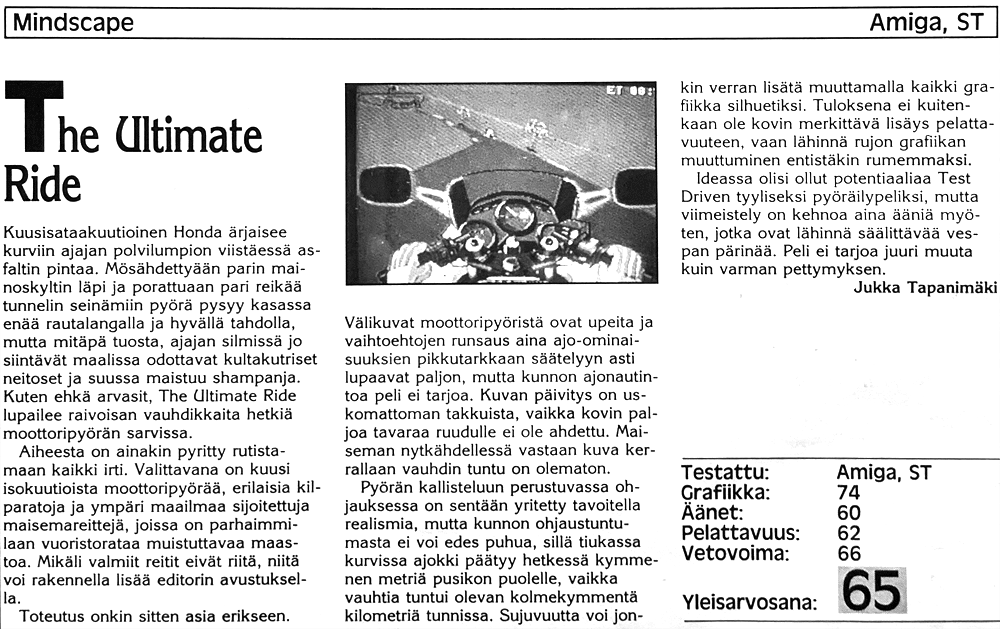
Välikuvat moottoripyöristä ovat upeita ja vaihtoehtojen runsaus aina ajo-ominaisuuksien pikkutarkkaan säätelyyn asti lupaavat paljon, mutta kunnon ajonautintoa peli ei tarjoa. Kuvan päivitys on uskomattoman takkuista, vaikka kovin paljoa tavaraa ruudulle ei ole ahdettu. Maiseman nytkähdellessä vastaan kuva kerrallaan vauhdin tuntu on olematon.
Pyörän kallisteluun perustuvassa ohjauksessa on sentään yritetty tavoitella realismia, mutta kunnon ohjaustuntumasta ei voi edes puhua, sillä tiukassa kurvissa ajokki päätyy hetkessä kymmenen metriä pusikon puolelle, vaikka vauhtia tuntui olevan kolmekymmentä kilometriä tunnissa. Sujuvuutta voi jonkin verran lisätä muuttamalla kaikki grafiikka silhuetiksi. Tuloksena ei kuitenkaan ole kovin merkittävä lisäys pelattavuuteen, vaan lähinnä rujon grafiikan muuttuminen entistäkin rumemmaksi.
Ideassa olisi ollut potentiaaliaa Test Driven tyyliseksi pyöräilypeliksi, mutta viimeistely on kehnoa aina ääniä myöten, jotka ovat lähinnä säälittävää vespan pärinää. Peli ei tarjoa juuri muuta kuin varman pettymyksen.
Ultimate Ride, The1991 KevätPermalinkThe six-hundred-cc Honda roars into the bend with the rider's kneecap grazing the surface of the asphalt. After crunching through a couple of advertising hoardings and drilling a couple of holes in the tunnel walls, the bike is held together by nothing but baling wire and goodwill, but so what: the golden-locked maidens waiting at the finish are already shimmering before the rider's eyes and he can taste the champagne. As you may have guessed, The Ultimate Ride promises furiously fast moments at the handlebars of a motorbike.
They've at least tried to squeeze everything out of the subject. You can choose from six big-cc motorbikes, various race circuits and scenic routes set all around the world, which at their best have terrain resembling a roller coaster. If the ready-made routes aren't enough, you can build more with the help of an editor.
The execution, though, is another matter entirely.
The interlude pictures of the motorbikes are gorgeous, and the wealth of options, right down to meticulous tuning of the handling, promises a lot, but the game doesn't deliver any real riding pleasure. The screen update is unbelievably choppy, even though not much stuff has been crammed onto the screen. With the scenery jerking towards you one frame at a time, the sense of speed is non-existent.
The steering, which is based on leaning the bike, does at least make an attempt at realism, but a proper feel for the controls is out of the question, since in a tight bend your mount ends up ten metres into the bushes in an instant, even though the speed seemed to be thirty kilometres an hour. You can improve the smoothness somewhat by turning all the graphics into silhouettes. The result, however, isn't much of a boost to playability, but mainly the crude graphics becoming even uglier.
The idea would have had the potential for a Test Drive-style bike game, but the finish is shoddy right down to the sound, which is mostly the pathetic putt-putt of a scooter. The game offers little more than guaranteed disappointment.
Universal Military Simulator
Universal Military Simulator1988Pysyvä linkkiVaseen, vaseen, vasenkaks kolmee, osastooo SEIS, käännös vasempaaan päin, ojennus, strategiapelien ystävät UMS:ää ostamaan stu!
Tätä ohjelmaa on odotettu kuin kuuta nousevaa. Milloin siitä on saanut lukea ulkomaisista alan julkaisuista, milloin kuvaruutukuvat ovat koristaneet MikroBITIN ohjelmauutuussivua. Lopulta se on täällä, eivätkä odotukset ole osoittautuneet turhiksi. UMS on todellakin jotakin uutta strategiapelirintamalla.
Ohjelma on nimensä mukaisesti todella monipuolinen. Mukana olevat valmiit taistelut sijoittuvat tosin aidoille historiallisille taistelukentille (Arberla 331 eKr. - Gettysburg 1863), mutta ohjelman taistelueditorin avulla on mahdollista tuoda pelaajan eteen niin Toisen maailmansodan ratkaisutaistelut kuin myös joukko fantasia- tai tieteisaiheisia taisteluita.
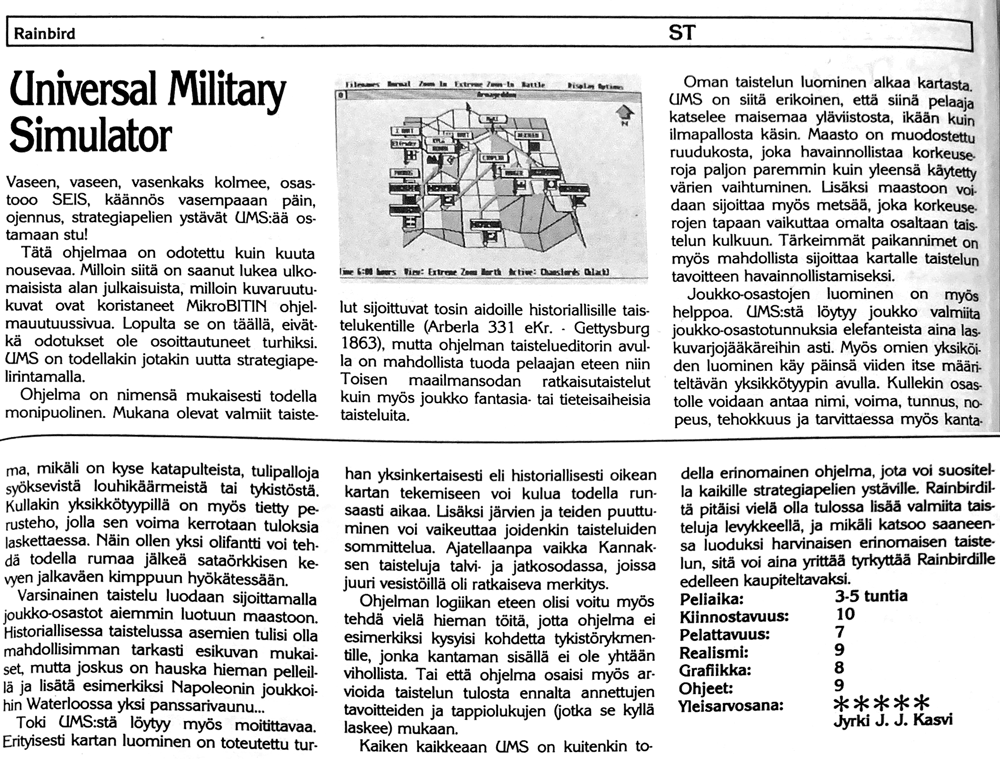
Oman taistelun luominen alkaa kartasta. UMS on siitä erikoinen, että siinä pelaaja katselee maisemaa yläviistosta, ikään kuin ilmapallosta käsin. Maasto on muodostettu ruudukosta, joka havainnollistaa korkeuseroja paljon paremmin kuin yleensä käytetty värien vaihtuminen. Lisäksi maastoon voidaan sijoittaa myös metsää, joka korkeuserojen tapaan vaikuttaa omalta osaltaan taistelun kulkuun. Tärkeimmät paikannimet on myös mahdollista sijoittaa kartalle taistelun tavoitteen havainnollistamiseksi.
Joukko-osastojen luominen on myös helppoa. UMS:stä löytyy joukko valmiita joukko-osastotunnuksia elefanteista aina laskuvarjojääkäreihin asti. Myös omien yksiköiden luominen käy päinsä viiden itse määriteltävän yksikkötyypin avulla. Kullekin osastolle voidaan antaa nimi, voima, tunnus, nopeus, tehokkuus ja tarvittaessa myös kantama, mikäli on kyse katapulteista, tulipalloja syöksevistä louhikäärmeistä tai tykistöstä. Kullakin yksikkötyypillä on myös tietty perusteho, jolla sen voima kerrotaan tuloksia laskettaessa. Näin ollen yksi olifantti voi tehdä todella rumaa jälkeä sataörkkisen kevyen jalkaväen kimppuun hyökätessään.
Varsinainen taistelu luodaan sijoittamalla joukko-osastot aiemmin luotuun maastoon. Historiallisessa taistelussa asemien tulisi olla mahdollisimman tarkasti esikuvan mukaiset, mutta joskus on hauska hieman pelleillä ja lisätä esimerkiksi Napoleonin joukkoihin Waterloossa yksi panssarivaunu...
Toki UMS:stä löytyy myös moitittavaa. Erityisesti kartan luominen on toteutettu turhan yksinkertaisesti eli historiallisesti oikean kartan tekemiseen voi kulua todella runsaasti aikaa. Lisäksi järvien ja teiden puuttuminen voi vaikeuttaa joidenkin taisteluiden sommittelua. Ajatellaanpa vaikka Kannaksen taisteluja talvi- ja jatkosodassa, joissa juuri vesistöillä oli ratkaiseva merkitys.
Ohjelman logiikan eteen olisi voitu myös tehdä vielä hieman töitä, jotta ohjelma ei esimerkiksi kysyisi kohdetta tykistörykmentille, jonka kantaman sisällä ei ole yhtään vihollista. Tai että ohjelma osaisi myös arvioida taistelun tulosta ennalta annettujen tavoitteiden ja tappiolukujen (jotka se kyllä laskee) mukaan.
Kaiken kaikkeaan UMS on kuitenkin todella erinomainen ohjelma, jota voi suositella kaikille strategiapelien ystäville. Rainbirdiltä pitäisi vielä olla tulossa lisää valmiita taisteluja levykkeellä, ja mikäli katsoo saaneensa luoduksi harvinaisen erinomaisen taistelun, sitä voi aina yrittää tyrkyttää Rainbirdille edelleen kaupiteltavaksi.
Universal Military Simulator1988PermalinkLef', lef', lef'-two-threee, squaaad HALT, left tuuurn, dress, strategy game fans off to buy UMS, MARCH!
This program has been awaited with bated breath. One moment you could read about it in foreign trade publications, the next its screenshots were adorning MikroBITTI's new software page. At last it's here, and the expectations have not proved to be in vain. UMS really is something new on the strategy game front.
True to its name, the program is really versatile. The ready-made battles included are, admittedly, set on real historical battlefields (Arberla 331 BC - Gettysburg 1863), but with the program's battle editor it is possible to bring before the player the decisive battles of the Second World War as well as a whole host of fantasy or science fiction battles.
Creating your own battle starts with the map. UMS is unusual in that the player views the landscape obliquely from above, as if from a balloon. The terrain is built from a grid, which shows differences in elevation far better than the usual changes of colour. Forest can also be placed on the terrain, and like the elevation it plays its own part in how the battle goes. It's also possible to put the most important place names on the map to make the objective of the battle clearer.
Creating the units is easy too. UMS comes with a set of ready-made unit symbols, from elephants all the way to paratroopers. You can also create units of your own using five user-definable unit types. Each unit can be given a name, strength, symbol, speed, efficiency and, where needed, a range as well, if it's a matter of catapults, fireball-spewing dragons or artillery. Each unit type also has a certain base effectiveness by which its strength is multiplied when the results are calculated. So a single oliphaunt can make a really ugly mess when it charges a hundred-orc-strong unit of light infantry.
The actual battle is created by placing the units on the terrain made earlier. In a historical battle the positions should match the original as closely as possible, but sometimes it's fun to clown around a bit and, say, add a tank to Napoleon's forces at Waterloo...
Of course there's something to criticise in UMS as well. Map creation in particular has been implemented far too simplistically, meaning that making a historically accurate map can take a really long time. On top of that, the lack of lakes and roads can make it hard to lay out some battles. Just think of the battles on the Karelian Isthmus in the Winter War and the Continuation War, where it was precisely the waterways that proved decisive.
A little more work could also have gone into the program's logic, so that, for example, it wouldn't ask for a target for an artillery regiment that has not a single enemy within range. Or so that the program could also assess the outcome of the battle against objectives set in advance and casualty figures (which it does calculate).
All in all, though, UMS is a truly excellent program that can be recommended to all fans of strategy games. More ready-made battles on disk should still be on the way from Rainbird, and if you reckon you've managed to create an exceptionally excellent battle, you can always try pushing it on Rainbird for them to sell on.
Untouchables, The
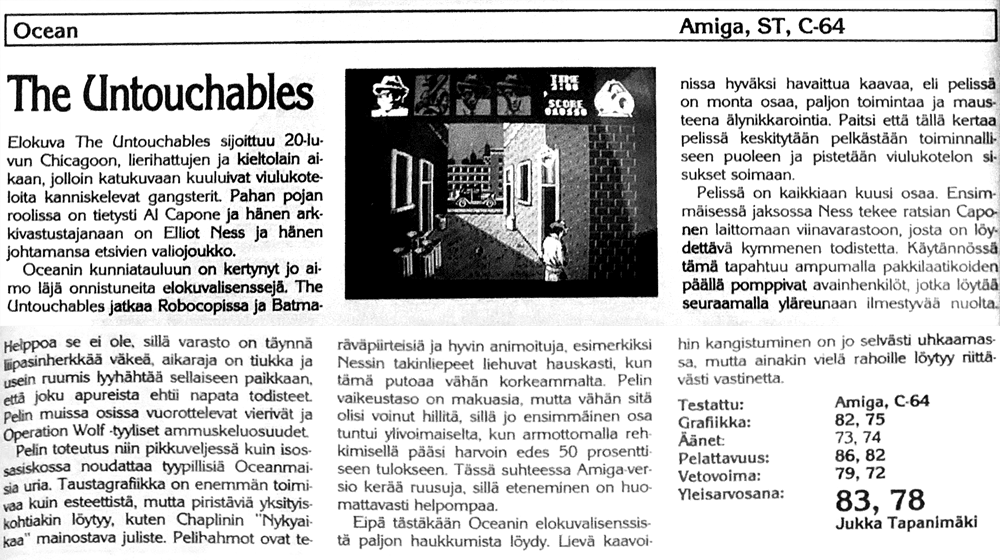
Untouchables, The1990 KevätPysyvä linkkiElokuva The Untouchables sijoittuu 20-luvun Chicagoon, lierihattujen ja kieltolain aikaan, jolloin katukuvaan kuuluivat viulukoteloita kanniskelevat gangsterit. Pahan pojan roolissa on tietysti Al Capone ja hänen arkkivastustajanaan on Elliot Ness ja hänen johtamansa etsivien valiojoukko.
Oceanin kunniatauluun on kertynyt jo aimo läjä onnistuneita elokuvalisenssejä. The Untouchables jatkaa Robocopissa ja Batmanissa hyväksi havaittua kaavaa, eli pelissä on monta osaa, paljon toimintaa ja mausteena älynikkarointia. Paitsi että tällä kertaa pelissä keskitytään pelkästään toiminnalliseen puoleen ja pistetään viulukotelon sisukset soimaan.
Pelissä on kaikkiaan kuusi osaa. Ensimmäisessä jaksossa Ness tekee ratsian Caponen laittomaan viinavarastoon, josta on löydettävä kymmenen todistetta. Käytännössä tämä tapahtuu ampumalla pakkilaatikoiden päällä pomppivat avainhenkilöt, jotka löytää seuraamalla yläreunaan ilmestyvää nuolta. Helppoa se ei ole, sillä varasto on täynnä liipasinherkkää väkeä, aikaraja on tiukka ja usein ruumis lyyhähtää sellaiseen paikkaan, että joku apureista ehtii napata todisteet. Pelin muissa osissa vuorottelevat vierivät ja Operation Wolf -tyyliset ammuskeluosuudet.
Pelin toteutus niin pikkuveljessä kuin isossasiskossa noudattaa tyypillisiä Oceanmaisia uria. Taustagrafiikka on enemmän toimivaa kuin esteettistä, mutta piristäviä yksityiskohtiakin löytyy, kuten Chaplinin "Nykyaikaa" mainostava juliste. Pelihahmot ovat teräväpiirteisiä ja hyvin animoituja, esimerkiksi Nessin takinliepeet liehuvat hauskasti, kun tämä putoaa vähän korkeammalta. Pelin vaikeustaso on makuasia, mutta vähän sitä olisi voinut hillitä, sillä jo ensimmäinen osa tuntui ylivoimaiselta, kun armottomalla rehkimisellä pääsi harvoin edes 50 prosenttiseen tulokseen. Tässä suhteessa Amiga-versio kerää ruusuja, sillä eteneminen on huomattavasti helpompaa.
Eipä tästäkään Oceanin elokuvalisenssistä paljon haukkumista löydy. Lievä kaavoihin kangistuminen on jo selvästi uhkaamassa, mutta ainakin vielä rahoille löytyy riittävästi vastinetta.
Untouchables, The1990 KevätPermalinkThe film The Untouchables is set in 1920s Chicago, in the days of fedoras and Prohibition, when gangsters lugging violin cases around were part of the street scene. The bad guy's role naturally goes to Al Capone, and his arch-enemy is Elliot Ness and the elite squad of detectives he leads.
Ocean's roll of honour has already piled up a hefty heap of successful film licences. The Untouchables continues the formula that proved its worth in Robocop and Batman, meaning the game has many parts, plenty of action and a dash of brain-tinkering for spice. Except that this time the game concentrates purely on the action side and gets whatever's inside the violin case playing.
There are six parts to the game in all. In the first section Ness raids Capone's illegal liquor warehouse, where ten pieces of evidence have to be found. In practice this is done by shooting the key men hopping about on top of packing crates, whom you find by following an arrow that appears at the top of the screen. It isn't easy, since the warehouse is full of trigger-happy folk, the time limit is tight, and the body often slumps down in such a spot that one of the henchmen manages to snatch the evidence. The rest of the game alternates between scrolling sections and Operation Wolf-style shooting sections.
The implementation, on little brother and big sister alike, follows the typical Ocean-style grooves. The background graphics are more functional than aesthetic, but there are some cheering details too, such as a poster advertising Chaplin's "Modern Times". The characters are sharply drawn and well animated; Ness's coat tails, for example, flap amusingly when he drops from a bit of a height. The difficulty level is a matter of taste, but it could have been reined in a little, since even the first part felt overwhelming when merciless slogging rarely got you even a 50 percent result. In this respect the Amiga version earns bouquets, since progress is considerably easier.
There isn't much to knock in this Ocean film licence either. A slight hardening into formula is clearly already looming, but for now at least you still get enough for your money.
Uridium
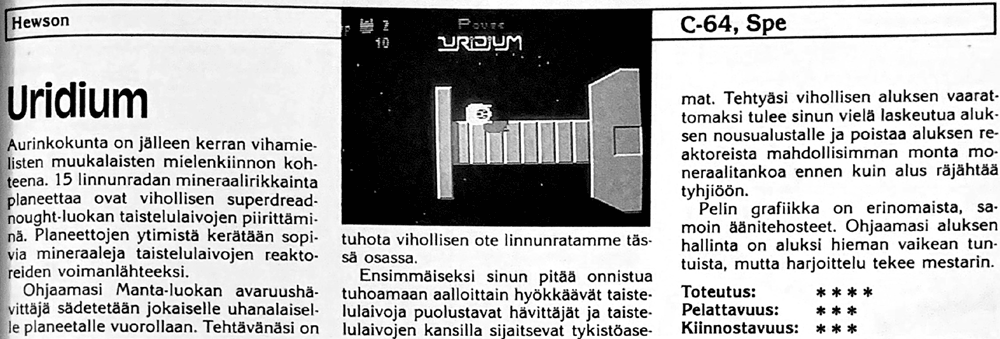
Uridium1987Pysyvä linkkiAurinkokunta on jälleen kerran vihamielisten muukalaisten mielenkiinnon kohteena. 15 linnunradan mineraalirikkainta planeettaa ovat vihollisen superdreadnought-luokan taistelulaivojen piirittäminä. Planeettojen ytimistä kerätään sopivia mineraaleja taistelulaivojen reaktoreiden voimanlähteeksi.
Ohjaamasi Manta-luokan avaruushävittäjä sädetetään jokaiselle uhanalaiselle planeetalle vuorollaan. Tehtävänäsi on tuhota vihollisen ote linnunratamme tässä osassa.
Ensimmäiseksi sinun pitää onnistua tuhoamaan aalloittain hyökkäävät taistelulaivoja puolustavat hävittäjät ja taistelulaivojen kansilla sijaitsevat tykistöasemat. Tehtyäsi vihollisen aluksen vaarattomaksi tulee sinun vielä laskeutua aluksen nousualustalle ja poistaa aluksen reaktoreista mahdollisimman monta moneraalitankoa ennen kuin alus räjähtää tyhjiöön.
Pelin grafiikka on erinomaista, samoin äänitehosteet. Ohjaamasi aluksen hallinta on aluksi hieman vaikean tuntuista, mutta harjoittelu tekee mestarin.
Uridium1987PermalinkOnce again the solar system has become the object of hostile aliens' interest. The 15 most mineral-rich planets in the galaxy are under siege by the enemy's super-dreadnought-class battleships. Suitable minerals are being harvested from the planets' cores to power the battleships' reactors.
The Manta-class space fighter you pilot is beamed to each endangered planet in turn. Your mission is to destroy the enemy's hold on this part of our galaxy.
First you have to succeed in destroying the fighters that defend the battleships, which attack in waves, as well as the gun emplacements on the battleships' decks. Once you have rendered the enemy ship harmless, you still have to land on the ship's runway and remove as many mineral rods as possible from its reactors before the ship explodes into the void.
The game's graphics are excellent, and so are the sound effects. Controlling your ship feels a little difficult at first, but practice makes perfect.