Way of the Exploding Fist, The
Pelit was a Finnish-language (bi)annual book series published from 1987 to 1991 containing gaming-related articles, tips and most importantly game reviews. Here you can find all the reviews from the books. The reviews were originally written in Finnish; the English versions are translations of the Finnish originals. Maininta tekijänoikeuksista
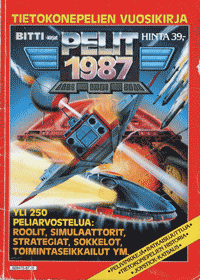 1987
1987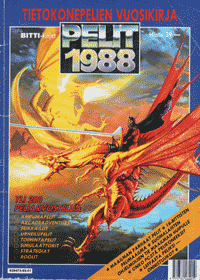 1988
1988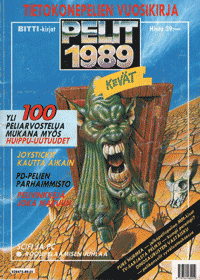 1989 Kevät
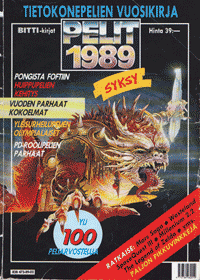 1989 Syksy
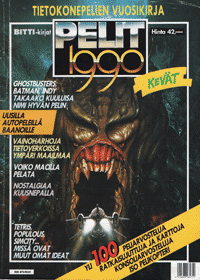 1990 Kevät
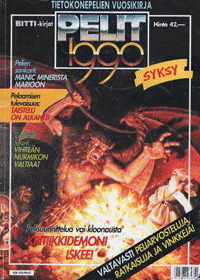 1990 Syksy
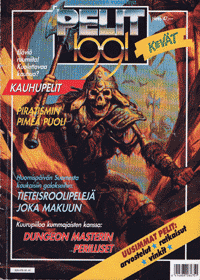 1991 Kevät
 1991 Syksy
Way of the Exploding Fist, The
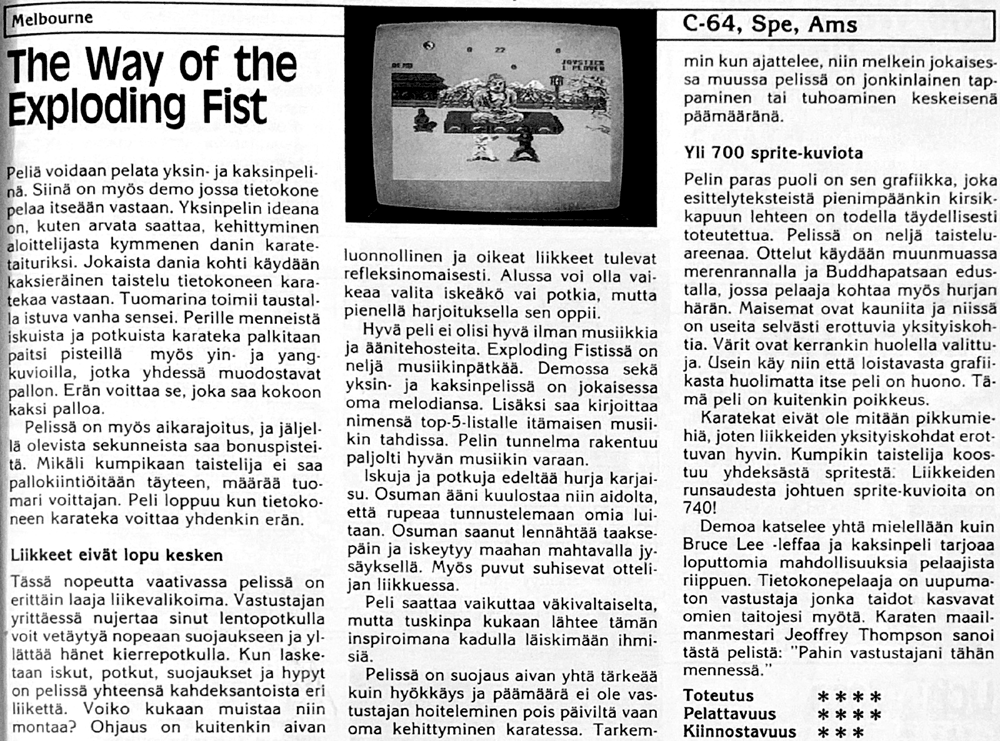
Way of the Exploding Fist, The1987Pysyvä linkkiPeliä voidaan pelata yksin- ja kaksinpelinä. Siinä on myös demo jossa tietokone pelaa itseään vastaan. Yksinpelin ideana on, kuten arvata saattaa, kehittyminen aloittelijasta kymmenen danin karatetaituriksi. Jokaista dania kohti käydään kaksieräinen taistelu tietokoneen karatekaa vastaan. Tuomarina toimii taustalla istuva vanha sensei. Perille menneistä iskuista ja potkuista karateka palkitaan paitsi pisteillä myös yin- ja yangkuvioilla, jotka yhdessä muodostavat pallon. Erän voittaa se, joka saa kokoon kaksi palloa.
Pelissä on myös aikarajoitus, ja jäljellä olevista sekunneista saa bonuspisteitä. Mikäli kumpikaan taistelija ei saa pallokiintiöitään täyteen, määrää tuomari voittajan. Peli loppuu kun tietokoneen karateka voittaa yhdenkin erän.
Liikkeet eivät lopu kesken
Tässä nopeutta vaativassa pelissä on erittäin laaja liikevalikoima. Vastustajan yrittäessä nujertaa sinut lentopotkulla voit vetäytyä nopeaan suojaukseen ja yllättää hänet kierrepotkulla. Kun lasketaan iskut, potkut, suojaukset ja hypyt on pelissä yhteensä kahdeksantoista eri liikettä. Voiko kukaan muistaa niin montaa? Ohjaus on kuitenkin aivan luonnollinen ja oikeat liikkeet tulevat refleksinomaisesti. Alussa voi olla vaikeaa valita iskeäkö vai potkia, mutta pienellä harjoituksella sen oppii.
Hyvä peli ei olisi hyvä ilman musiikkia ja äänitehosteita. Exploding Fistissä on neljä musiikinpätkää. Demossa sekä yksin- ja kaksinpelissä on jokaisessa oma melodiansa. Lisäksi saa kirjoittaa nimensä top-5-listalle itämaisen musiikin tahdissa. Pelin tunnelma rakentuu paljolti hyvän musiikin varaan.
Iskuja ja potkuja edeltää hurja karjaisu. Osuman ääni kuulostaa niin aidolta, että rupeaa tunnustelemaan omia luitaan. Osuman saanut lennähtää taaksepäin ja iskeytyy maahan mahtavalla jysäyksellä. Myös puvut suhisevat ottelijan liikkuessa.
Peli saattaa vaikuttaa väkivaltaiselta, mutta tuskinpa kukaan lähtee tämän inspiroimana kadulla läiskimään ihmisiä.
Pelissä on suojaus aivan yhtä tärkeää kuin hyökkäys ja päämäärä ei ole vastustajan hoiteleminen pois päiviltä vaan oma kehittyminen karatessa. Tarkemmin kun ajattelee, niin melkein jokaisessa muussa pelissä on jonkinlainen tappaminen tai tuhoaminen keskeisenä päämääränä.
Yli 700 sprite-kuviota
Pelin paras puoli on sen grafiikka, joka esittelyteksteistä pienimpäänkin kirsikkapuun lehteen on todella täydellisesti toteutettua. Pelissä on neljä taisteluareenaa. Ottelut käydään muunmuassa merenrannalla ja Buddhapatsaan edustalla, jossa pelaaja kohtaa myös hurjan härän. Maisemat ovat kauniita ja niissä on useita selvästi erottuvia yksityiskohtia. Värit ovat kerrankin huolella valittuja. Usein käy niin että loistavasta grafiikasta huolimatta itse peli on huono. Tämä peli on kuitenkin poikkeus.
Karatekat eivät ole mitään pikkumiehiä, joten liikkeiden yksityiskohdat erottuvan hyvin. Kumpikin taistelija koostuu yhdeksästä spritestä. Liikkeiden runsaudesta johtuen sprite-kuvioita on 740!
Demoa katselee yhtä mielellään kuin Bruce Lee -leffaa ja kaksinpeli tarjoaa loputtomia mahdollisuuksia pelaajista riippuen. Tietokonepelaaja on uupumaton vastustaja jonka taidot kasvavat omien taitojesi myötä. Karaten maailmanmestari Jeoffrey Thompson sanoi tästä pelistä: "Pahin vastustajani tähän mennessä."
Way of the Exploding Fist, The1987PermalinkThe game can be played by one or two players. There is also a demo in which the computer plays against itself. The idea of the one-player game is, as you might guess, to progress from beginner to tenth-dan karate master. For each dan you fight a two-round bout against the computer's karateka. The referee is an old sensei sitting in the background. For punches and kicks that land, the karateka is rewarded not only with points but also with yin and yang symbols, which together form a ball. The round goes to whoever collects two balls.
There is also a time limit, and you get bonus points for the seconds left over. If neither fighter fills the quota of balls, the referee decides the winner. The game ends as soon as the computer's karateka wins a single round.
No running out of moves
This game, which demands speed, has a very wide range of moves. When your opponent tries to floor you with a flying kick, you can drop into a quick block and surprise him with a roundhouse kick. Counting punches, kicks, blocks and jumps, the game has eighteen different moves in all. Can anyone remember that many? The controls are perfectly natural, though, and the right moves come as if by reflex. At first it may be hard to choose whether to punch or kick, but with a little practice you get the hang of it.
A good game wouldn't be good without music and sound effects. Exploding Fist has four snatches of music. The demo, the one-player game and the two-player game each have a tune of their own. On top of that, you get to enter your name on the top-5 list to the strains of oriental music. The game's atmosphere rests largely on its good music.
Punches and kicks are preceded by a ferocious yell. The sound of a hit is so realistic that you find yourself feeling your own bones. The one who has been hit flies backwards and slams into the ground with a mighty thud. Even the suits swish as the fighters move.
The game may seem violent, but hardly anyone is going to be inspired by it to go out slapping people around in the street.
In this game defence is every bit as important as attack, and the goal is not to do away with your opponent but to develop your own karate. Come to think of it, almost every other game has some kind of killing or destruction as its central goal.
Over 700 sprite patterns
The game's best side is its graphics, which are executed truly to perfection, from the intro texts down to the smallest cherry-tree leaf. There are four fighting arenas. Bouts are fought on a seashore and in front of a Buddha statue, among other places, and there the player also comes up against a ferocious bull. The scenery is beautiful and has plenty of clearly visible detail. For once the colours have been chosen with care. It often happens that despite brilliant graphics the game itself is poor. This game, however, is an exception.
The karatekas are no little stick men, so the details of the moves show up well. Each fighter is made up of nine sprites. Because of the sheer number of moves, there are 740 sprite patterns!
You'll watch the demo as happily as a Bruce Lee flick, and the two-player game offers endless possibilities depending on the players. The computer player is a tireless opponent whose skills grow along with your own. Karate world champion Jeoffrey Thompson said of this game: "My toughest opponent so far."