Genghis Khan
Pelit was a Finnish-language (bi)annual book series published from 1987 to 1991 containing gaming-related articles, tips and most importantly game reviews. Here you can find all the reviews from the books. The reviews were originally written in Finnish; the English versions are translations of the Finnish originals. Maininta tekijänoikeuksista
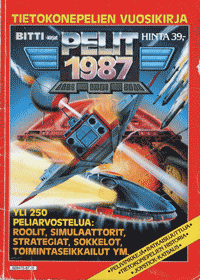 1987
1987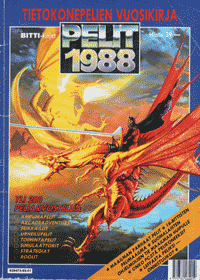 1988
1988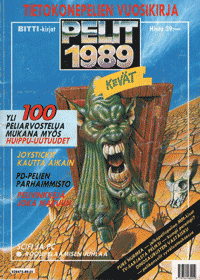 1989 Kevät
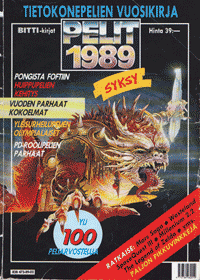 1989 Syksy
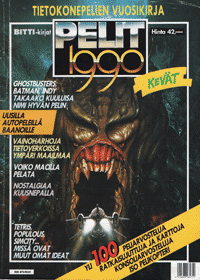 1990 Kevät
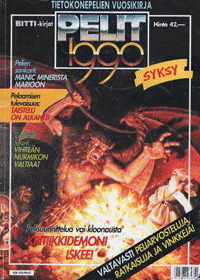 1990 Syksy
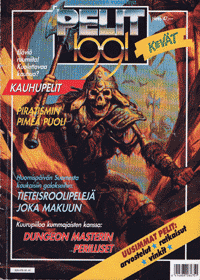 1991 Kevät
 1991 Syksy
Genghis Khan
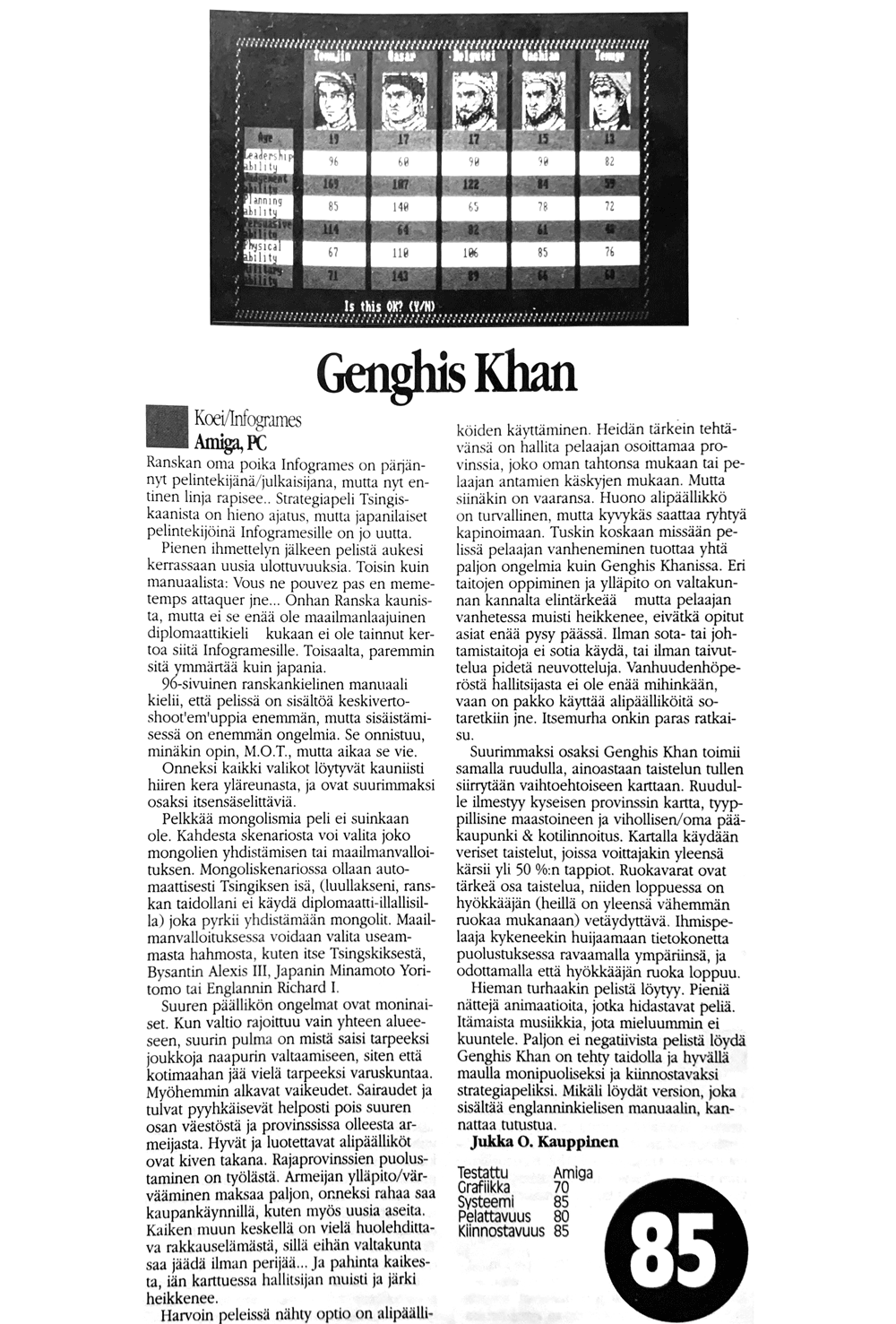
Genghis Khan1991 SyksyPysyvä linkkiRanskan oma poika Infogrames on pärjännyt pelintekijänä/julkaisijana, mutta nyt entinen linja rapisee.. Strategiapeli Tsingiskaanista on hieno ajatus, mutta japanilaiset pelintekijöinä Infogramesille on jo uutta.
Pienen ihmettelyn jälkeen pelistä aukesi kerrassaan uusia ulottuvuuksia. Toisin kuin manuaalista: Vous ne pouvez pas en memetemps attaquer jne... Onhan Ranska kaunista, mutta ei se enää ole maailmanlaajuinen diplomaattikieli kukaan ei ole tainnut kertoa siitä Infogramesille. Toisaalta, paremmin sitä ymmärtää kuin japania.
96-sivuinen ranskankielinen manuaali kielii, että pelissä on sisältöä keskivertoshoot'em'uppia enemmän, mutta sisäistämisessä on enemmän ongelmia. Se onnistuu, minäkin opin, M.O.T., mutta aikaa se vie.
Onneksi kaikki valikot löytyvät kauniisti hiiren kera yläreunasta, ja ovat suurimmaksi osaksi itsensäselittäviä.
Pelkkää mongolismia peli ei suinkaan ole. Kahdesta skenariosta voi valita joko mongolien yhdistämisen tai maailmanvalloituksen. Mongoliskenariossa ollaan automaattisesti Tsingiksen isä, (luullakseni, ranskan taidollani ei käydä diplomaatti-illallisilla) joka pyrkii yhdistämään mongolit. Maailmanvalloituksessa voidaan valita useammasta hahmosta, kuten itse Tsingskiksestä, Bysantin Alexis III, Japanin Minamoto Yoritomo tai Englannin Richard I.
Suuren päällikön ongelmat ovat moninaiset. Kun valtio rajoittuu vain yhteen alueeseen, suurin pulma on mistä saisi tarpeeksi joukkoja naapurin valtaamiseen, siten että kotimaahan jää vielä tarpeeksi varuskuntaa. Myöhemmin alkavat vaikeudet. Sairaudet ja tulvat pyyhkäisevät helposti pois suuren osan väestöstä ja provinssissa olleesta armeijasta. Hyvät ja luotettavat alipäälliköt ovat kiven takana. Rajaprovinssien puolustaminen on työlästä. Armeijan ylläpito/värvääminen maksaa paljon, onneksi rahaa saa kaupankäynnillä, kuten myös uusia aseita. Kaiken muun keskellä on vielä huolehdittava rakkauselämästä, sillä eihän valtakunta saa jäädä ilman perijää... Ja pahinta kaikesta, iän karttuessa hallitsijan muisti ja järki heikkenee.
Harvoin peleissä nähty optio on alipäälliköiden käyttäminen. Heidän tärkein tehtävänsä on hallita pelaajan osoittamaa provinssia, joko oman tahtonsa mukaan tai pelaajan antamien käskyjen mukaan. Mutta siinäkin on vaaransa. Huono alipäällikkö on turvallinen, mutta kyvykäs saattaa ryhtyä kapinoimaan. Tuskin koskaan missään pelissä pelaajan vanheneminen tuottaa yhtä paljon ongelmia kuin Genghis Khanissa. Eri taitojen oppiminen ja ylläpito on valtakunnan kannalta elintärkeää mutta pelaajan vanhetessa muisti heikkenee, eivätkä opitut asiat enää pysy päässä. Ilman sota- tai johtamistaitoja ei sotia käydä, tai ilman taivuttelua pidetä neuvotteluja. Vanhuudenhöperöstä hallitsijasta ei ole enää mihinkään, vaan on pakko käyttää alipäälliköitä sotaretkiin jne. Itsemurha onkin paras ratkaisu.
Suurimmaksi osaksi Genghis Khan toimii samalla ruudulla, ainoastaan taistelun tullen siirrytään vaihtoehtoiseen karttaan. Ruudulle ilmestyy kyseisen provinssin kartta, tyyppillisine maastoineen ja vihollisen/oma pääkaupunki & kotilinnoitus. Kartalla käydään veriset taistelut, joissa voittajakin yleensä kärsii yli 50 %:n tappiot. Ruokavarat ovat tärkeä osa taistelua, niiden loppuessa on hyökkääjän (heillä on yleensä vähemmän ruokaa mukanaan) vetäydyttävä. Ihmispelaaja kykeneekin huijaamaan tietokonetta puolustuksessa ravaamalla ympäriinsä, ja odottamalla että hyökkääjän ruoka loppuu.
Hieman turhaakin pelistä löytyy. Pieniä nättejä animaatioita, jotka hidastavat peliä. Itämaista musiikkia, jota mieluummin ei kuuntele. Paljon ei negatiivista pelistä löydä Genghis Khan on tehty taidolla ja hyvällä maulla monipuoliseksi ja kiinnostavaksi strategiapeliksi. Mikäli löydät version, joka sisältää englanninkielisen manuaalin, kannattaa tutustua.
Genghis Khan1991 SyksyPermalinkFrance's own son Infogrames has done well as a game developer/publisher, but now the old line is starting to crumble. A strategy game about Tsingiskaani is a fine idea, but the Japanese as game developers are something new for Infogrames.
After a bit of head-scratching, whole new dimensions of the game opened up. Unlike the manual: Vous ne pouvez pas en même temps attaquer etc... French is beautiful, sure, but it's no longer the world's language of diplomacy - nobody seems to have told Infogrames that. Then again, it's easier to understand than Japanese.
The 96-page French-language manual hints that there's more to the game than your average shoot'em'up, but digesting it all is more of a struggle. It can be done - I learned it too, Q.E.D. - but it takes time.
Fortunately all the menus are neatly lined up along the top of the screen, mouse-driven, and are mostly self-explanatory.
The game is by no means pure Mongolism. Of the two scenarios you can choose either uniting the Mongols or conquering the world. In the Mongol scenario you are automatically Tsingis's father (I think - my French won't get me invited to any diplomatic dinners), who strives to unite the Mongols. In world conquest you can choose from several characters, such as Tsingskis himself, Alexis III of Byzantium, Minamoto Yoritomo of Japan or Richard I of England.
The great chieftain's problems are many. While your state is confined to a single region, the biggest headache is where to find enough troops to conquer your neighbour while still leaving a big enough garrison at home. Later on the difficulties begin. Diseases and floods can easily wipe out a large part of the population and of the army stationed in the province. Good, reliable lieutenants are hard to come by. Defending the border provinces is laborious. Maintaining/recruiting an army costs a lot; luckily you can get money through trade, and new weapons too. In the midst of everything else you also have to look after your love life, since the realm mustn't be left without an heir, now must it... And worst of all, as the years pile up, the ruler's memory and wits start to fail.
The use of lieutenants is an option rarely seen in games. Their most important job is to govern a province the player assigns them, either as they see fit or following the player's orders. But that has its dangers too. A poor lieutenant is safe, but a capable one may start a rebellion. Hardly ever in any game does the player's ageing cause as many problems as in Genghis Khan. Learning and maintaining various skills is vital for the realm - but as the player ages, memory fades and what has been learned no longer stays in the head. Without war or leadership skills no wars get waged, and without persuasion no negotiations get held. A senile ruler is no longer good for anything, and you're forced to use lieutenants for military campaigns etc. Suicide, then, is the best solution.
For the most part Genghis Khan runs on one and the same screen; only when battle comes do you switch to an alternative map. A map of the province in question appears on screen, with its typical terrain and the enemy's/your own capital & home fortress. Bloody battles are fought on the map, in which even the winner usually suffers losses of over 50 %. Food supplies are an important part of the battle: when they run out, the attacker (they usually carry less food with them) has to retreat. A human player can in fact cheat the computer on defence by trotting around all over the place and waiting for the attacker's food to run out.
There's a bit of superfluous stuff in the game too. Pretty little animations that slow the game down. Oriental music you'd rather not listen to. There isn't much negative to find in the game. Genghis Khan has been made with skill and good taste into a varied and interesting strategy game. If you can find a version that includes an English manual, it's worth checking out.