Sword of Aragorn
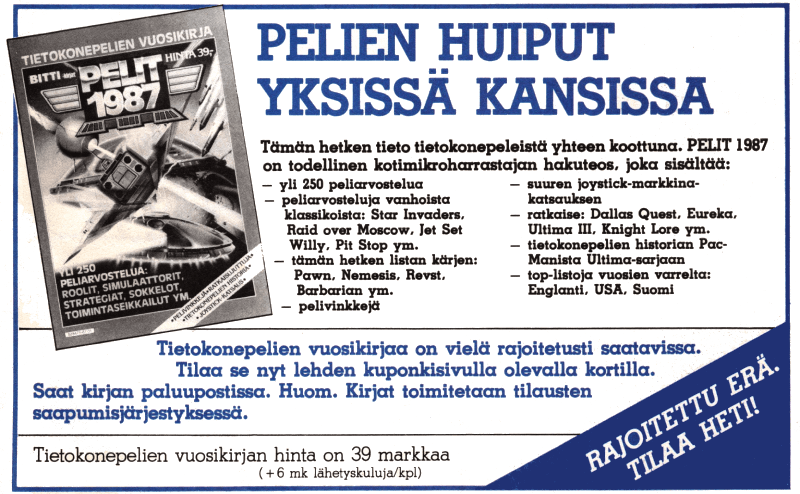
Pelit was a Finnish-language (bi)annual book series published from 1987 to 1991 containing gaming-related articles, tips and most importantly game reviews. Here you can find all the reviews from the books. The reviews were originally written in Finnish; the English versions are translations of the Finnish originals. Maininta tekijänoikeuksista
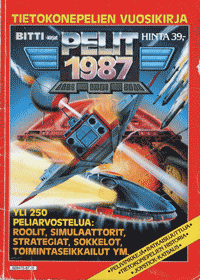 1987
1987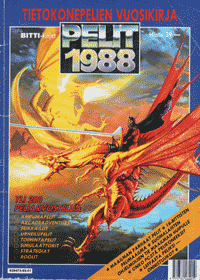 1988
1988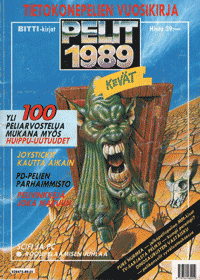 1989 Kevät
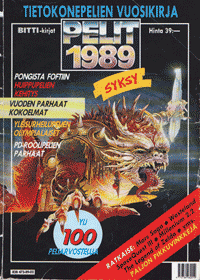 1989 Syksy
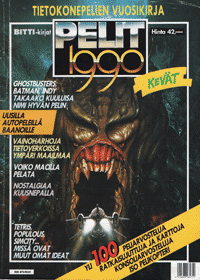 1990 Kevät
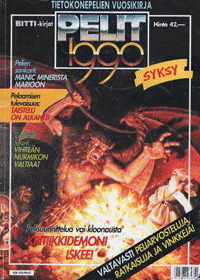 1990 Syksy
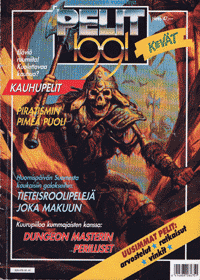 1991 Kevät
 1991 Syksy
Sword of Aragorn
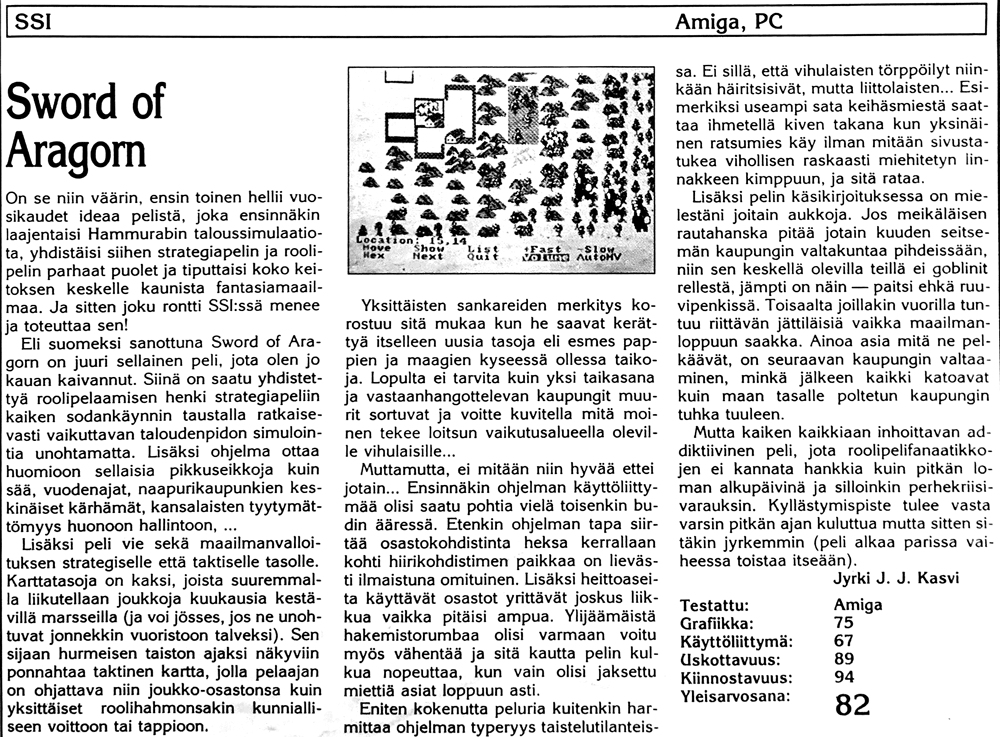
Sword of Aragorn1990 SyksyPysyvä linkkiOn se niin väärin, ensin toinen hellii vuosikaudet ideaa pelistä, joka ensinnäkin laajentaisi Hammurabin taloussimulaatiota, yhdistäisi siihen strategiapelin ja roolipelin parhaat puolet ja tiputtaisi koko keitoksen keskelle kaunista fantasiamaailmaa. Ja sitten joku rontti SSI:ssä menee ja toteuttaa sen!
Eli suomeksi sanottuna Sword of Aragorn on juuri sellainen peli, jota olen jo kauan kaivannut. Siinä on saatu yhdistettyä roolipelaamisen henki strategiapeliin kaiken sodankäynnin taustalla ratkaisevasti vaikuttavan taloudenpidon simulointia unohtamatta. Lisäksi ohjelma ottaa huomioon sellaisia pikkuseikkoja kuin sää, vuodenajat, naapurikaupunkien keskinäiset kärhämät, kansalaisten tyytymättömyys huonoon hallintoon, ...
Lisäksi peli vie sekä maailmanvalloituksen strategiselle että taktiselle tasolle. Karttatasoja on kaksi, joista suuremmalla liikutellaan joukkoja kuukausia kestävillä marsseilla (ja voi jösses, jos ne unohtuvat jonnekkin vuoristoon talveksi). Sen sijaan hurmeisen taiston ajaksi näkyviin ponnahtaa taktinen kartta, jolla pelaajan on ohjattava niin joukko-osastonsa kuin yksittäiset roolihahmonsakin kunnialliseen voittoon tai tappioon.
Yksittäisten sankareiden merkitys korostuu sitä mukaa kun he saavat kerättyä itselleen uusia tasoja eli esmes pappien ja maagien kyseessä ollessa taikoja. Lopulta ei tarvita kuin yksi taikasana ja vastaanhangottelevan kaupungit muurit sortuvat ja voitte kuvitella mitä moinen tekee loitsun vaikutusalueella oleville vihulaisille...
Muttamutta, ei mitään niin hyvää ettei jotain... Ensinnäkin ohjelman käyttöliittymää olisi saatu pohtia vielä toisenkin budin ääressä. Etenkin ohjelman tapa siirtää osastokohdistinta heksa kerrallaan kohti hiirikohdistimen paikkaa on lievästi ilmaistuna omituinen. Lisäksi heittoaseita käyttävät osastot yrittävät joskus liikkua vaikka pitäisi ampua. Ylijäämäistä hakemistorumbaa olisi varmaan voitu myös vähentää ja sitä kautta pelin kulkua nopeuttaa, kun vain olisi jaksettu miettiä asiat loppuun asti.
Eniten kokenutta peluria kuitenkin harmittaa ohjelman typeryys taistelutilanteissa. Ei sillä, että vihulaisten törppöilyt niinkään häiritsisivät, mutta liittolaisten... Esimerkiksi useampi sata keihäsmiestä saattaa ihmetellä kiven takana kun yksinäinen ratsumies käy ilman mitään sivustatukea vihollisen raskaasti miehitetyn linnakkeen kimppuun, ja sitä rataa.
Lisäksi pelin käsikirjoituksessa on mielestäni joitain aukkoja. Jos meikäläisen rautahanska pitää jotain kuuden seitsemän kaupungin valtakuntaa pihdeissään, niin sen keskellä olevilla teillä ei goblinit rellestä, jämpti on näin - paitsi ehkä ruuvipenkissä. Toisaalta joillakin vuorilla tuntuu riittävän jättiläisiä vaikka maailmanloppuun saakka. Ainoa asia mitä ne pelkäävät, on seuraavan kaupungin valtaaminen, minkä jälkeen kaikki katoavat kuin maan tasalle poltetun kaupungin tuhka tuuleen.
Mutta kaiken kaikkiaan inhoittavan addiktiivinen peli, jota roolipelifanaatikkojen ei kannata hankkia kuin pitkän loman alkupäivinä ja silloinkin perhekriisivarauksin. Kyllästymispiste tulee vasta varsin pitkän ajan kuluttua mutta sitten sitäkin jyrkemmin (peli alkaa parissa vaiheessa toistaa itseään).
Sword of Aragorn1990 SyksyPermalinkIt's just so wrong: first some of us spend years nursing the idea for a game that would, first of all, expand on Hammurabi's economic simulation, combine it with the best sides of strategy and role-playing games, and drop the whole concoction into the middle of a beautiful fantasy world. And then some oaf at SSI goes and makes it!
In plain English, then, Sword of Aragorn is exactly the kind of game I've been longing for for ages. It manages to combine the spirit of role-playing with a strategy game, without forgetting to simulate the economics that decisively shape all warfare behind the scenes. On top of that, the program takes into account such little details as the weather, the seasons, squabbles between neighbouring towns, the citizens' discontent with bad government, ...
What's more, the game takes world conquest to both the strategic and the tactical level. There are two map levels; on the larger one you move troops about on marches lasting months (and good grief if you forget them somewhere up in the mountains for the winter). For the duration of gory battle, on the other hand, a tactical map pops up, on which the player has to lead both their units and their individual role-playing characters to honourable victory or defeat.
The importance of individual heroes grows as they manage to rack up new levels - which, in the case of priests and mages, say, means spells. In the end all it takes is a single magic word and the walls of a defiant town come tumbling down, and you can all imagine what that does to any baddies within the spell's area of effect...
But-but, nothing is so good that there isn't something... First of all, the program's user interface could have done with mulling over one more Bud. In particular, the program's way of moving the unit cursor one hex at a time towards the position of the mouse pointer is peculiar, to put it mildly. Also, units armed with missile weapons sometimes try to move when they ought to shoot. The surplus menu rigmarole could probably have been cut down as well, speeding up the flow of the game, if only someone had bothered to think things through to the end.
What annoys the experienced gamer most, though, is the program's stupidity in combat. Not that the baddies' bungling is all that much of a bother, but the allies'... For example, several hundred spearmen may stand gawping behind a rock while a lone horseman, with no flank support whatsoever, lays into the enemy's heavily manned fortress, and so on and so forth.
Also, in my opinion, the game's script has a few holes in it. If yours truly's iron gauntlet has some kingdom of six or seven towns clamped in its pincers, then goblins do not go carousing on the roads in the middle of it, and that's that - except maybe in a vice. On the other hand, some mountains seem to have giants to spare right up until the end of the world. The only thing they fear is the capture of the next town, after which they all vanish like the ashes of a town burnt to the ground, scattered on the wind.
But all in all, a disgustingly addictive game that role-playing fanatics shouldn't get hold of except in the first days of a long holiday, and even then with a family crisis budgeted for. The saturation point only comes after quite a long time, but then all the more steeply (at a couple of stages the game starts repeating itself).