Ranx
Pelit was a Finnish-language (bi)annual book series published from 1987 to 1991 containing gaming-related articles, tips and most importantly game reviews. Here you can find all the reviews from the books. The reviews were originally written in Finnish; the English versions are translations of the Finnish originals. Maininta tekijänoikeuksista
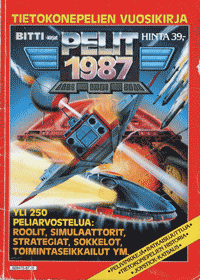 1987
1987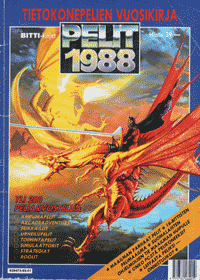 1988
1988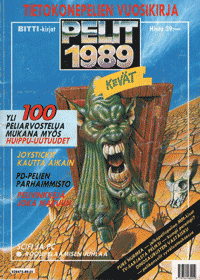 1989 Kevät
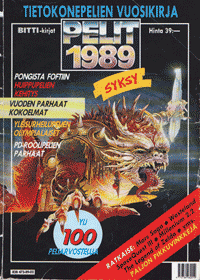 1989 Syksy
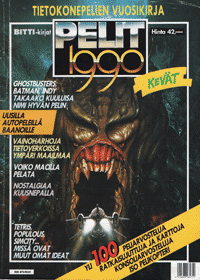 1990 Kevät
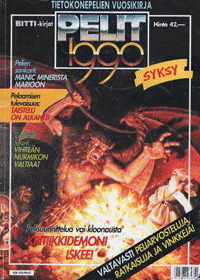 1990 Syksy
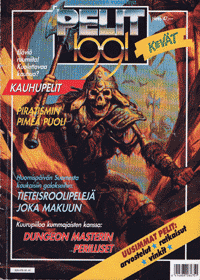 1991 Kevät
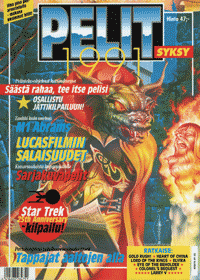 1991 Syksy
Ranx
Ranx1991 KevätPysyvä linkkiKenellä on enemmän voimia kuin Teräsmiehellä ja Batmanilla yhteensä, enemmän kovapintaisia juttuja kuin Eddie Murphy kertoo minuutissa ja pienemmät aivot kuin leivänpaahtimella?
RanXeroxilla. Ei sillä kopiokoneella, vaan seitsemän jalkaa pitkällä, vaaleanpunaisella lihalla päällystetyllä robotilla, joka on varustettu myös todella typerällä keskustietokoneella. Ranx käyttää mieluiten aikaansa runtelemalla viattomia (ei nyt aivan) lähimmäisiä, iskemällä tyttöjä ja parantamalla maailmaa omalla persoonallisella tavallaan.
RanXerox on alkujaan italialaisten Tanino Liberatoren ja Stefano Tamburinin luoma sarjakuvahahmo, jota löytyy albumin verran suomeksikin.
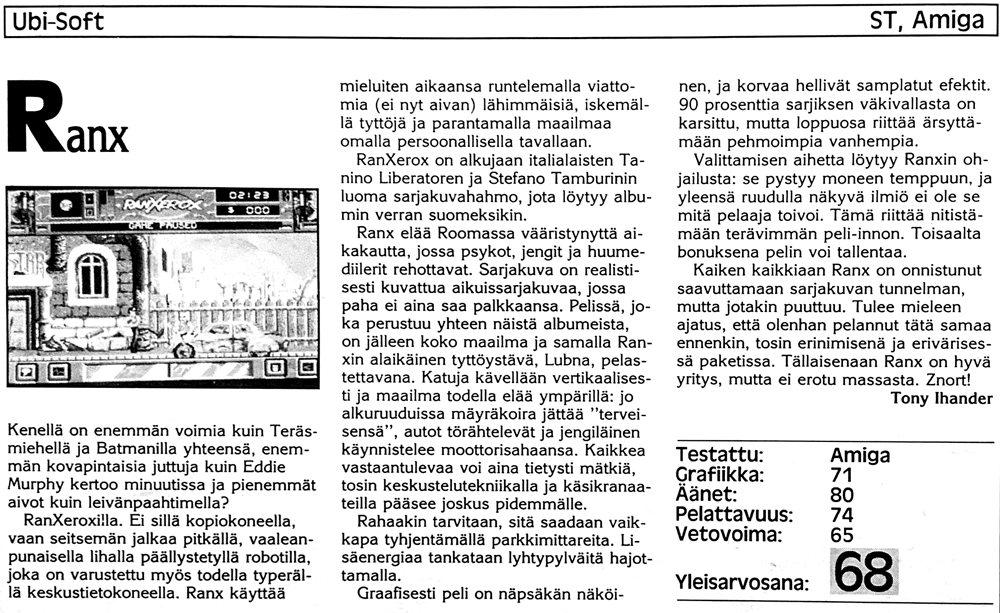
Ranx elää Roomassa vääristynyttä aikakautta, jossa psykot, jengit ja huumediilerit rehottavat. Sarjakuva on realistisesti kuvattua aikuissarjakuvaa, jossa paha ei aina saa palkkaansa. Pelissä, joka perustuu yhteen näistä albumeista, on jälleen koko maailma ja samalla Ranxin alaikäinen tyttöystävä, Lubna, pelastettavana. Katuja kävellään vertikaalisesti ja maailma todella elää ympärillä: jo alkuruuduissa mäyräkoira jättää "terveisensä", autot törähtelevät ja jengiläinen käynnistelee moottorisahaansa. Kaikkea vastaantulevaa voi aina tietysti mätkiä, tosin keskustelutekniikalla ja käsikranaateilla pääsee joskus pidemmälle.
Rahaakin tarvitaan, sitä saadaan vaikkapa tyhjentämällä parkkimittareita. Lisäenergiaa tankataan lyhtypylväitä hajottamalla.
Graafisesti peli on näpsäkän näköinen, ja korvaa hellivät samplatut efektit. 90 prosenttia sarjiksen väkivallasta on karsittu, mutta loppuosa riittää ärsyttämään pehmoimpia vanhempia.
Valittamisen aihetta löytyy Ranxin ohjailusta: se pystyy moneen temppuun, ja yleensä ruudulla näkyvä ilmiö ei ole se mitä pelaaja toivoi. Tämä riittää nitistämään terävimmän peli-innon. Toisaalta bonuksena pelin voi tallentaa.
Kaiken kaikkiaan Ranx on onnistunut saavuttamaan sarjakuvan tunnelman, mutta jotakin puuttuu. Tulee mieleen ajatus, että olenhan pelannut tätä samaa ennenkin, tosin erinimisenä ja erivärisessä paketissa. Tällaisenaan Ranx on hyvä yritys, mutta ei erotu massasta. Znort!
Ranx1991 KevätPermalinkWho has more strength than Superman and Batman put together, more hard-boiled lines than Eddie Murphy cracks in a minute, and a smaller brain than a toaster?
RanXerox. Not the photocopier, but a seven-foot robot covered in pink flesh, which is also equipped with a truly stupid central computer. Ranx prefers to spend its time mangling innocent (well, not quite) fellow humans, picking up girls and improving the world in its own personal way.
RanXerox is originally a comic character created by the Italians Tanino Liberatore and Stefano Tamburini, and there's an album's worth of it available in Finnish too.
Ranx lives in Rome in a warped era where psychos, gangs and drug dealers run rampant. The comic is realistically drawn adult comics, in which evil doesn't always get its just deserts. In the game, which is based on one of these albums, once again the whole world, and along with it Ranx's underage girlfriend, Lubna, needs saving. The streets are walked vertically and the world really lives around you: already in the first screens a dachshund leaves its "regards", cars honk and a gang member keeps trying to start a chainsaw. You can of course always bash everything that comes your way, although conversational technique and hand grenades will sometimes get you further.
Money is needed too; you get it by, say, emptying parking meters. Extra energy is tanked up by smashing lamp posts.
Graphically the game looks snappy, and sampled effects caress the ears. 90 percent of the comic's violence has been cut, but the rest is enough to annoy the softest of parents.
There is cause for complaint in controlling Ranx: it can do lots of tricks, and usually what appears on the screen is not what the player was hoping for. That's enough to kill off even the keenest enthusiasm for playing. On the other hand, as a bonus you can save the game.
All in all, Ranx has managed to capture the atmosphere of the comic, but something is missing. The thought springs to mind that I've played this very same thing before, albeit under a different name and in a different-coloured box. As it stands, Ranx is a good effort, but it doesn't stand out from the crowd. Znort!