Battle Chess II: Chinese Chess
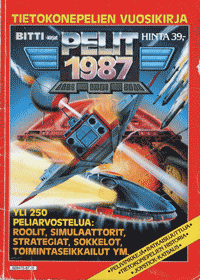
Pelit was a Finnish-language (bi)annual book series published from 1987 to 1991 containing gaming-related articles, tips and most importantly game reviews. Here you can find all the reviews from the books. The reviews were originally written in Finnish; the English versions are translations of the Finnish originals. Maininta tekijänoikeuksista
 1987
1987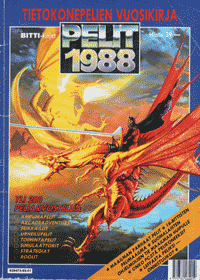 1988
1988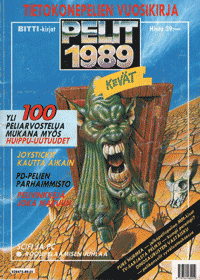 1989 Kevät
 1989 Syksy
 1990 Kevät
 1990 Syksy
 1991 Kevät
 1991 Syksy
Battle Chess II: Chinese Chess
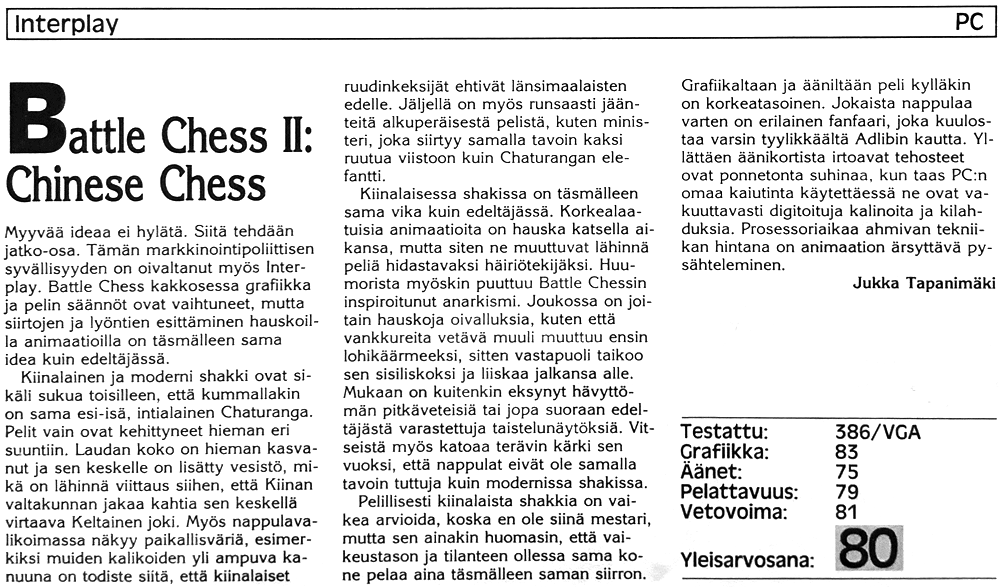
Battle Chess II: Chinese Chess1991 KevätPysyvä linkkiMyyvää ideaa ei hylätä. Siitä tehdään jatko-osa. Tämän markkinointipoliittisen syvällisyyden on oivaltanut myös Interplay. Battle Chess kakkosessa grafiikka ja pelin säännöt ovat vaihtuneet, mutta siirtojen ja lyöntien esittäminen hauskoilla animaatioilla on täsmälleen sama idea kuin edeltäjässä.
Kiinalainen ja moderni shakki ovat sikäli sukua toisilleen, että kummallakin on sama esi-isä, intialainen Chaturanga. Pelit vain ovat kehittyneet hieman eri suuntiin. Laudan koko on hieman kasvanut ja sen keskelle on lisätty vesistö, mikä on lähinnä viittaus siihen, että Kiinan valtakunnan jakaa kahtia sen keskellä virtaava Keltainen joki. Myös nappulavalikoimassa näkyy paikallisväriä, esimerkiksi muiden kalikoiden yli ampuva kanuuna on todiste siitä, että kiinalaiset ruudinkeksijät ehtivät länsimaalaisten edelle. Jäljellä on myös runsaasti jäänteitä alkuperäisestä pelistä, kuten ministeri, joka siirtyy samalla tavoin kaksi ruutua viistoon kuin Chaturangan elefantti.
Kiinalaisessa shakissa on täsmälleen sama vika kuin edeltäjässä. Korkealaatuisia animaatioita on hauska katsella aikansa, mutta siten ne muuttuvat lähinnä peliä hidastavaksi häiriötekijäksi. Huumorista myöskin puuttuu Battle Chessin inspiroitunut anarkismi. Joukossa on joitain hauskoja oivalluksia, kuten että vankkureita vetävä muuli muuttuu ensin lohikäärmeeksi, sitten vastapuoli taikoo sen sisiliskoksi ja liiskaa jalkansa alle. Mukaan on kuitenkin eksynyt hävyttömän pitkäveteisiä tai jopa suoraan edeltäjästä varastettuja taistelunäytöksiä. Vitseistä myös katoaa terävin kärki sen vuoksi, että nappulat eivät ole samalla tavoin tuttuja kuin modernissa shakissa.
Pelillisesti kiinalaista shakkia on vaikea arvioida, koska en ole siinä mestari, mutta sen ainakin huomasin, että vaikeustason ja tilanteen ollessa sama kone pelaa aina täsmälleen saman siirron. Grafiikaltaan ja ääniltään peli kylläkin on korkeatasoinen. Jokaista nappulaa varten on erilainen fanfaari, joka kuulostaa varsin tyylikkäältä Adlibin kautta. Yllättäen äänikortista irtoavat tehosteet ovat ponnetonta suhinaa, kun taas PC:n omaa kaiutinta käytettäessä ne ovat vakuuttavasti digitoituja kalinoita ja kilahduksia. Prosessoriaikaa ahmivan tekniikan hintana on animaation ärsyttävä pysähteleminen.
Battle Chess II: Chinese Chess1991 KevätPermalinkYou don't abandon an idea that sells. You make a sequel out of it. This profound insight into marketing policy has dawned on Interplay too. In Battle Chess number two the graphics and the rules of the game have changed, but presenting the moves and captures with funny animations is exactly the same idea as in its predecessor.
Chinese and modern chess are related in the sense that both have the same ancestor, the Indian Chaturanga. The games have just developed in slightly different directions. The board has grown a little and a stretch of water has been added across its middle, which is mainly a nod to the fact that the Chinese empire is split in two by the Yellow River flowing through its middle. The line-up of pieces shows local colour too; for example, the cannon that fires over the other lumps of wood is proof that the Chinese inventors of gunpowder got there ahead of the Westerners. Plenty of remnants of the original game are left as well, such as the minister, which moves two squares diagonally in the same way as Chaturanga's elephant.
Chinese chess has exactly the same flaw as its predecessor. The high-quality animations are fun to watch for a while, but then they turn into little more than a distraction that slows the game down. The humour also lacks the inspired anarchism of Battle Chess. There are some funny ideas in there, such as the mule pulling a cart first turning into a dragon, after which the other side magics it into a lizard and squashes it underfoot. But some shamelessly tedious combat scenes have strayed in too, some of them even stolen straight from the predecessor. The jokes also lose their sharpest edge because the pieces aren't familiar in the same way as in modern chess.
As a game, Chinese chess is hard to judge because I'm no master at it, but I did at least notice that with the same difficulty level and the same position the computer always plays exactly the same move. In graphics and sound, though, the game is certainly top-notch. Each piece has its own fanfare, which sounds quite stylish through the Adlib. Surprisingly, the effects that come out of the sound card are feeble hissing, whereas when you use the PC's own speaker they are convincingly digitised clanks and clinks. The price of this processor-time-gobbling technique is the animation's irritating habit of stalling.