Knights of the Crystallion
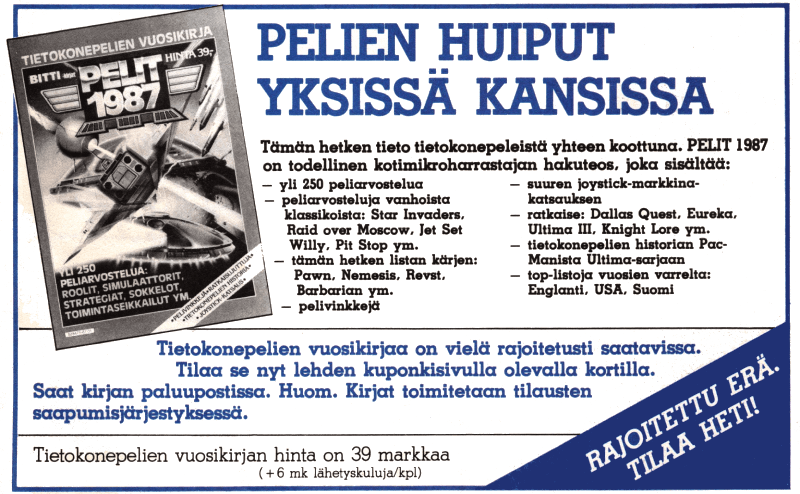
Pelit was a Finnish-language (bi)annual book series published from 1987 to 1991 containing gaming-related articles, tips and most importantly game reviews. Here you can find all the reviews from the books. The reviews were originally written in Finnish; the English versions are translations of the Finnish originals. Maininta tekijänoikeuksista
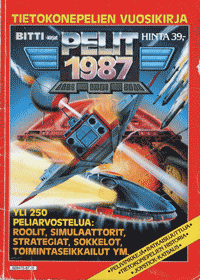 1987
1987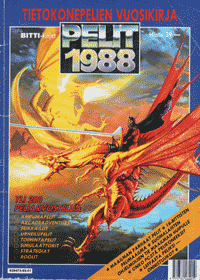 1988
1988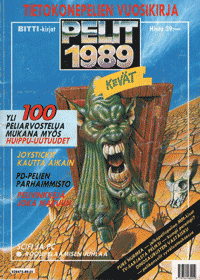 1989 Kevät
 1989 Syksy
 1990 Kevät
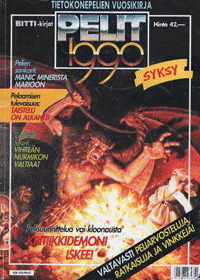 1990 Syksy
 1991 Kevät
 1991 Syksy
Knights of the Crystallion
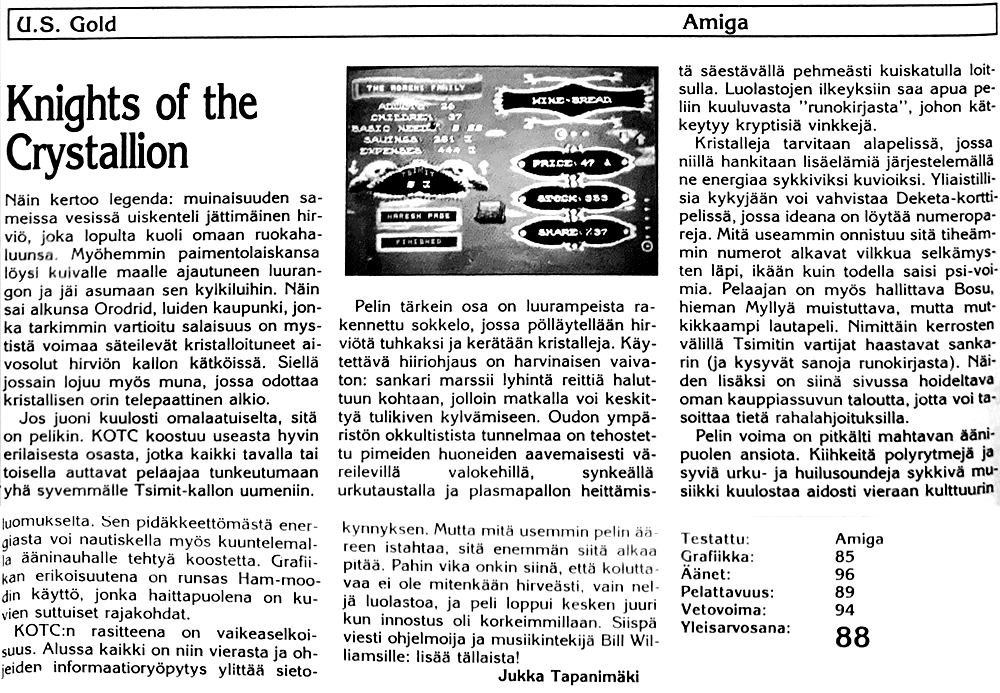
Knights of the Crystallion1990 SyksyPysyvä linkkiNäin kertoo legenda: muinaisuuden sameissa vesissä uiskenteli jättimäinen hirviö, joka lopulta kuoli omaan ruokahaluunsa. Myöhemmin paimentolaiskansa löysi kuivalle maalle ajautuneen luurangon ja jäi asumaan sen kylkiluihin. Näin sai alkunsa Orodrid, luiden kaupunki, jonka tarkimmin vartioitu salaisuus on mystistä voimaa säteilevät kristalloituneet aivosolut hirviön kallon kätköissä. Siellä jossain lojuu myös muna, jossa odottaa kristallisen orin telepaattinen alkio.
Jos juoni kuulosti omalaatuiselta, sitä on pelikin. KOTC koostuu useasta hyvin erilaisesta osasta, jotka kaikki tavalla tai toisella auttavat pelaajaa tunkeutumaan yhä syvemmälle Tsimit-kallon uumeniin.
Pelin tärkein osa on luurampeista rakennettu sokkelo, jossa pölläytellään hirviötä tuhkaksi ja kerätään kristalleja. Käytettävä hiiriohjaus on harvinaisen vaivaton: sankari marssii lyhintä reittiä haluttuun kohtaan, jolloin matkalla voi keskittyä tulikiven kylvämiseen. Oudon ympäristön okkultistista tunnelmaa on tehostettu pimeiden huoneiden aavemaisesti väreilevillä valokehillä, synkeällä urkutaustalla ja plasmapallon heittämistä säestävällä pehmeästi kuiskatulla loitsulla. Luolastojen ilkeyksiin saa apua peliin kuuluvasta "runokirjasta", johon kätkeytyy kryptisiä vinkkejä.
Kristalleja tarvitaan alapelissä, jossa niillä hankitaan lisäelämiä järjestelemällä ne energiaa sykkiviksi kuvioiksi. Yliaistillisia kykyjään voi vahvistaa Deketa-korttipelissä, jossa ideana on löytää numeropareja. Mitä useammin onnistuu sitä tiheämmin numerot alkavat vilkkua selkämysten läpi, ikään kuin todella saisi psi-voimia. Pelaajan on myös hallittava Bosu, hieman Myllyä muistuttava, mutta mutkikkaampi lautapeli. Nimittäin kerrosten välillä Tsimitin vartijat haastavat sankarin (ja kysyvät sanoja runokirjasta). Näiden lisäksi on siinä sivussa hoideltava oman kauppiassuvun taloutta, jotta voi tasoittaa tietä rahalahjoituksilla.
Pelin voima on pitkälti mahtavan äänipuolen ansiota. Kiihkeitä polyrytmejä ja syviä urku- ja huilusoundeja sykkivä musiikki kuulostaa aidosti vieraan kulttuurin luomukselta. Sen pidäkkeettömästä energiasta voi nautiskella myös kuuntelemalla ääninauhalle tehtyä koostetta. Grafiikan erikoisuutena on runsas Ham-moodin käyttö, jonka haittapuolena on kuvien suttuiset rajakohdat.
KOTC:n rasitteena on vaikeaselkoisuus. Alussa kaikki on niin vierasta ja ohjeiden informaatioryöpytys ylittää sietokynnyksen. Mutta mitä usemmin pelin ääreen istahtaa, sitä enemmän siitä alkaa pitää. Pahin vika onkin siinä, että koluttavaa ei ole mitenkään hirveästi, vain neljä luolastoa, ja peli loppui kesken juuri kun innostus oli korkeimmillaan. Siispä viesti ohjelmoija ja musiikintekijä Bill Williamsille: lisää tällaista!
Knights of the Crystallion1990 SyksyPermalinkThus says the legend: in the murky waters of antiquity there swam a gigantic monster, which in the end died of its own appetite. Later a nomadic people found the skeleton washed up on dry land and settled down to live in its ribs. Thus was born Orodrid, the city of bones, whose most closely guarded secret is the crystallised brain cells, radiating mystical power, hidden deep in the monster's skull. Somewhere in there also lies an egg, in which the telepathic embryo of a crystal stallion waits.
If the plot sounded peculiar, so is the game. KOTC consists of several very different parts, all of which in one way or another help the player to push ever deeper into the bowels of the Tsimit skull.
The most important part of the game is a maze built of bone ramps, where you puff monsters into ashes and collect crystals. The mouse control is unusually effortless: the hero marches by the shortest route to wherever you point, which leaves you free to concentrate on sowing brimstone along the way. The occult atmosphere of the strange surroundings has been heightened with ghostly shimmering halos of light in the dark rooms, a gloomy organ backing and a softly whispered incantation that accompanies the hurling of a plasma ball. For help against the nastiness of the dungeons there is the "poetry book" that comes with the game, in which cryptic hints are hidden.
The crystals are needed in a subgame, where you earn extra lives with them by arranging them into patterns that pulse with energy. You can strengthen your extrasensory abilities in the Deketa card game, where the idea is to find pairs of numbers. The more often you succeed, the more often the numbers start to flicker through the backs of the cards, as if you really were gaining psi powers. The player must also master Bosu, a board game a bit like Nine Men's Morris, but more convoluted. For between the levels, the guardians of Tsimit challenge the hero (and ask for words from the poetry book). On top of all this, you also have to look after the finances of your own merchant family on the side, so that you can smooth the way with cash donations.
The game's power owes a great deal to its magnificent sound. The music, throbbing with frenzied polyrhythms and deep organ and flute tones, sounds genuinely like the creation of an alien culture. You can also savour its unbridled energy by listening to the compilation recorded on audio cassette. A special feature of the graphics is the lavish use of Ham mode, the downside of which is smeary edges where the pictures' colours meet.
KOTC's burden is how hard it is to make sense of. At first everything is so alien, and the barrage of information in the instructions is more than anyone can stand. But the more often you sit down at the game, the more you start to like it. The worst flaw, in fact, is that there isn't a terrible lot to explore, just four dungeons, and the game ran out just when my enthusiasm was at its peak. So, a message to programmer and musician Bill Williams: more of this sort of thing!