Klax
Pelit was a Finnish-language (bi)annual book series published from 1987 to 1991 containing gaming-related articles, tips and most importantly game reviews. Here you can find all the reviews from the books. The reviews were originally written in Finnish; the English versions are translations of the Finnish originals. Maininta tekijänoikeuksista
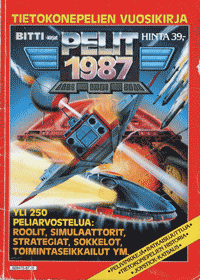 1987
1987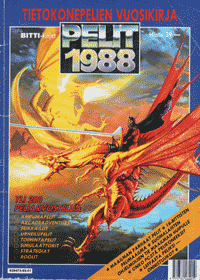 1988
1988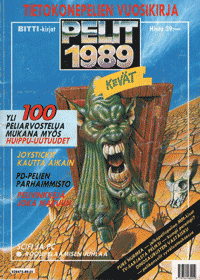 1989 Kevät
 1989 Syksy
 1990 Kevät
 1990 Syksy
 1991 Kevät
 1991 Syksy
Klax
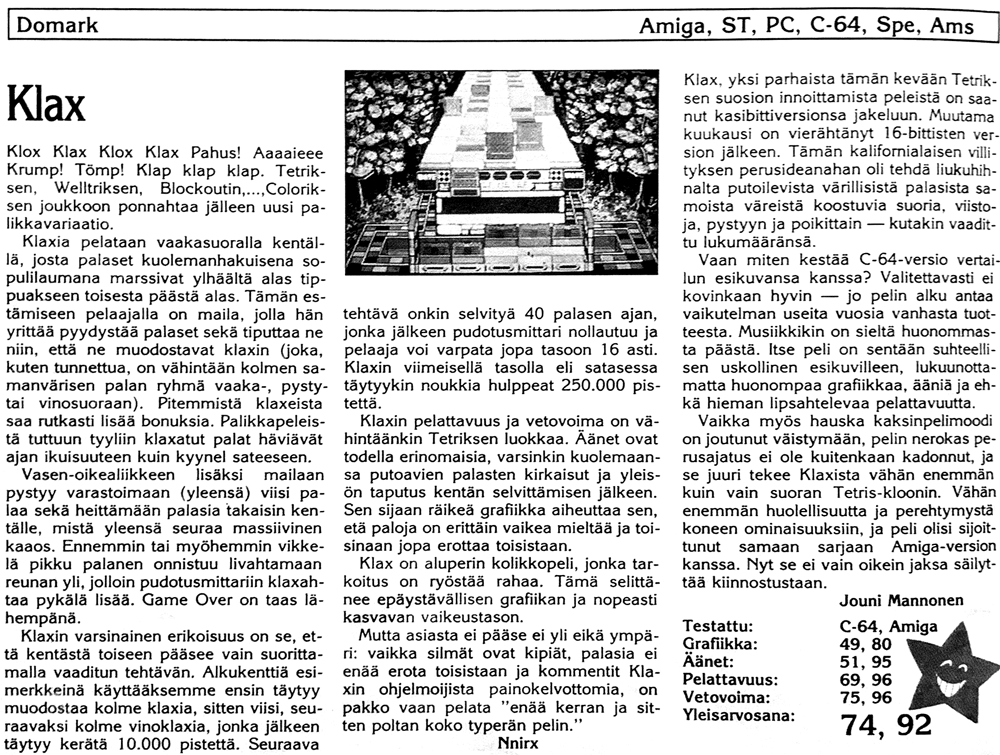
Klax1990 SyksyPysyvä linkkiKlox Klax Klox Klax Pahus! Aaaaieee Krump! Tömp! Klap klap klap. Tetriksen, Welltriksen, Blockoutin,...,Coloriksen joukkoon ponnahtaa jälleen uusi palikkavariaatio.
Klaxia pelataan vaakasuoralla kentällä, josta palaset kuolemanhakuisena sopulilaumana marssivat ylhäältä alas tippuakseen toisesta päästä alas. Tämän estämiseen pelaajalla on maila, jolla hän yrittää pyydystää palaset sekä tiputtaa ne niin, että ne muodostavat klaxin (joka, kuten tunnettua, on vähintään kolmen samanvärisen palan ryhmä vaaka-, pysty- tai vinosuoraan). Pitemmistä klaxeista saa rutkasti lisää bonuksia. Palikkapeleistä tuttuun tyyliin klaxatut palat häviävät ajan ikuisuuteen kuin kyynel sateeseen.
Vasen-oikealiikkeen lisäksi mailaan pystyy varastoimaan (yleensä) viisi palaa sekä heittämään palasia takaisin kentälle, mistä yleensä seuraa massiivinen kaaos. Ennemmin tai myöhemmin vikkelä pikku palanen onnistuu livahtamaan reunan yli, jolloin pudotusmittariin klaxahtaa pykälä lisää. Game Over on taas lähempänä.
Klaxin varsinainen erikoisuus on se, että kentästä toiseen pääsee vain suorittamalla vaaditun tehtävän. Alkukenttiä esimerkkeinä käyttääksemme ensin täytyy muodostaa kolme klaxia, sitten viisi, seuraavaksi kolme vinoklaxia, jonka jälkeen täytyy kerätä 10.000 pistettä. Seuraava tehtävä onkin selvityä 40 palasen ajan, jonka jälkeen pudotusmittari nollautuu ja pelaaja voi varpata jopa tasoon 16 asti. Klaxin viimeisellä tasolla eli satasessa täytyykin noukkia hulppeat 250.000 pistettä.
Klaxin pelattavuus ja vetovoima on vähintäänkin Tetriksen luokkaa. Äänet ovat todella erinomaisia, varsinkin kuolemaansa putoavien palasten kirkaisut ja yleisön taputus kentän selvittämisen jälkeen. Sen sijaan räikeä grafiikka aiheuttaa sen, etä paloja on erittäin vaikea mieltää ja toisinaan jopa erottaa toisistaan.
Klax on aluperin kolikkopeli, jonka tarkoitus on ryöstää rahaa. Tämä selittänee epäystävällisen grafiikan ja nopeasti kasvavan vaikeustason.
Mutta asiasta ei pääse ei yli eikä ympäri: vaikka silmät ovat kipiät, palasia ei enää erota toisistaan ja kommentit Klaxin ohjelmoijista painokelvottomia, on pakko vaan pelata "enää kerran ja sitten poltan koko typerän pelin."
Klax, yksi parhaista tämän kevään Tetriksen suosion innoittamista peleistä on saanut kasibittiversionsa jakeluun. Muutama kuukausi on vierähtänyt 16-bittisten version jälkeen. Tämän kalifornialaisen villityksen perusideanahan oli tehdä liukuhihnalta putoilevista värillisistä palasista samoista väreistä koostuvia suoria, viistoja, pystyyn ja poikittain - kutakin vaadittu lukumääränsä.
Vaan miten kestää C-64-versio vertailun esikuvansa kanssa? Valitettavasti ei kovinkaan hyvin - jo pelin alku antaa vaikutelman useita vuosia vanhasta tuotteesta. Musiikkikin on sieltä huonommasta päästä. Itse peli on sentään suhteellisen uskollinen esikuvilleen, lukuunottamatta huonompaa grafiikkaa, ääniä ja ehkä hieman lipsahtelevaa pelattavuutta.
Vaikka myös hauska kaksinpelimoodi on joutunut väistymään, pelin nerokas perusajatus ei ole kuitenkaan kadonnut, ja se juuri tekee Klaxista vähän enemmän kuin vain suoran Tetris-kloonin. Vähän enemmän huolellisuutta ja perehtymystä koneen ominaisuuksiin, ja peli olisi sijoittunut samaan sarjaan Amiga-version kanssa. Nyt se ei vain oikein jaksa säilyttää kiinnostustaan.
Klax1990 SyksyPermalinkKlox Klax Klox Klax Drat! Aaaaieee Krump! Thump! Klap klap klap. Yet another block variation pops up to join the ranks of Tetris, Welltris, Blockout,...,Coloris.
Klax is played on a horizontal playfield, down which the pieces march from top to bottom like a death-seeking pack of lemmings, only to tumble off the far end. To stop this the player has a paddle, with which he tries to catch the pieces and drop them so that they form a klax (which, as everyone knows, is a group of at least three pieces of the same colour in a horizontal, vertical or diagonal line). Longer klaxes earn you heaps more bonuses. In the style familiar from block games, klaxed pieces vanish into the eternity of time like tears in rain.
Besides moving left and right, the paddle can hold (usually) five pieces and throw pieces back onto the playfield, which usually results in massive chaos. Sooner or later a nimble little piece manages to slip over the edge, whereupon another notch klaxes up on the drop meter. Game Over is that much closer again.
Klax's real speciality is that you can only get from one level to the next by completing the required task. To take the early levels as examples: first you have to make three klaxes, then five, next three diagonal klaxes, after which you have to collect 10,000 points. The next task is to survive for 40 pieces, after which the drop meter resets and the player can warp as far as level 16. On Klax's final level, i.e. level one hundred, you have to scoop up a whopping 250,000 points.
Klax's playability and appeal are at least in the Tetris class. The sound is truly excellent, especially the shrieks of pieces falling to their deaths and the crowd's applause after you clear a level. The garish graphics, on the other hand, mean that the pieces are very hard to take in, and at times even to tell apart.
Klax is originally a coin-op whose purpose is to rob you of your money. That probably explains the unfriendly graphics and the rapidly rising difficulty.
But there's no getting over it or round it: even though your eyes are sore, you can no longer tell the pieces apart and your comments about Klax's programmers are unprintable, you simply have to play "just once more and then I'll burn the whole stupid game."
Klax, one of this spring's best games inspired by the popularity of Tetris, has now had its 8-bit version released. A few months have rolled by since the 16-bit versions. The basic idea of this Californian craze was, after all, to make the coloured pieces dropping off a conveyor belt into lines of the same colour, straight, diagonal, upright and crosswise - the required number of each.
But how does the C-64 version hold up in comparison with its model? Not very well, unfortunately - even the start of the game gives the impression of a product several years old. The music, too, is from the weaker end of the scale. The game itself is at least relatively faithful to its models, apart from the poorer graphics, sound and perhaps slightly slippery playability.
Although the fun two-player mode has also had to make way, the game's ingenious basic idea hasn't vanished, and that is just what makes Klax a bit more than a straight Tetris clone. A little more care and familiarity with the machine's capabilities, and the game would have ended up in the same league as the Amiga version. As it is, it just can't quite hold your interest.