Phantasie III - The Wrath of Nikademus
Pelit was a Finnish-language (bi)annual book series published from 1987 to 1991 containing gaming-related articles, tips and most importantly game reviews. Here you can find all the reviews from the books. The reviews were originally written in Finnish; the English versions are translations of the Finnish originals. Maininta tekijänoikeuksista
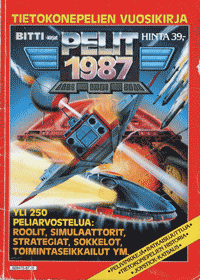 1987
1987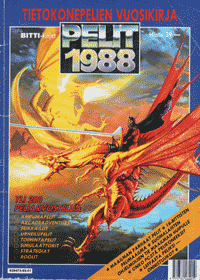 1988
1988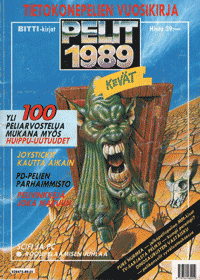 1989 Kevät
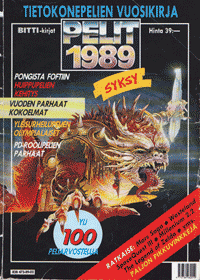 1989 Syksy
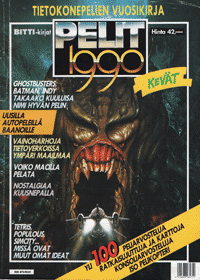 1990 Kevät
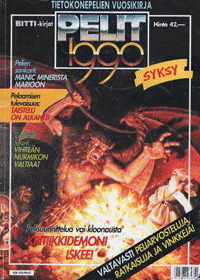 1990 Syksy
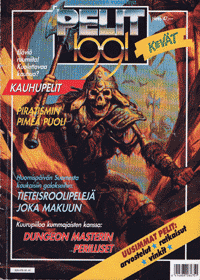 1991 Kevät
 1991 Syksy
Phantasie III - The Wrath of Nikademus

Phantasie III - The Wrath of Nikademus1988Pysyvä linkkiMikäli Ultimoilla on ollut yksinäistä roolipelimarkkinoiden huipulla, niin ei ole enää. Phantasie-sarjan uusimmassa tulokkaassa on sarjan aiempien osien pahimmat virheet korjattu pienempien parannusten ohessa, ja tuloksena on roolipeli, jota pelaa kuin lohikäärme noppaa.
Tällä kertaa tapahtumat sijoittuvat Scandorin mantereelle. Aiemmissa osissa oli kyse Gelnorin ja Ferronnahin kaltaisista pienistä saarista. Nikod... eikun Nikademus, vai mikä se iljetys nyt oikein olikaan, on jälleen vauhdissa. Tällä kertaa hänellä on kohteenaan itse Scandorin manner. Kaiken maailman ja vähän muunkin ötökkää saapuu hänen käskystään kauniin maan rannoille tehtävänään ilmi selvästi tappaa ja syödä (ei välttämättä tässä järjestyksessä) kaikki vastaan tulevat seikkailijat.
Pelaaja kokoaa kuusihenkisen joukon, joka lähtee keräämään kokemusta, aarteita ja aseita. Kun miehet (naiset!) lopulta alkavat olla tarpeeksi kokeneita, on aika käydä itse Nikademuksen kimppuun. Kokemus luokitellaan kokemuspisteiden avulla. Kun pisteitä on tarpeeksi, henkilö voi mennä koulutukseen, jossa hän oppii lisää taitoja ja loitsuja sekä kestämään vihollisten iskuja paremmin.
Uutta realismia tähänastisiin tietokoneroolipeleihin verrattuna on se, että normaalien hit pointsien (iskupisteiden) lisäksi pelihahmon terveydentila on määritelty kaikkien raajojen, vartalon ja pään osalta erikseen. Tämä käytäntöhän on tuttu eräistä 'oikeista' roolipeleistä kuten esimerkiksi Runequestista. Kukin ruumiinosa voi olla joko terve, loukkaantunut, poikki tai poissa. Ideana on se, että esimerkiksi katkenneella oikealla kädellä on hyvin vaikea heilutella miekkaa, tai kadonneella päällä pysyä hengissä. Kaikeksi onneksi tarpeeksi tasokas pappi voi jopa kasvattaa irronneen raajan paikoilleen. Pään suhteen tarvitaankin sitten jo todella pätevä hengenmies.
Kukin pelihahmo voi olla ammatiltaan joko soturi, samoaja, velho (Wexteen the Wizard I presume), pappi, munkki tai varas. Eri ammattikunnilla on erilaisia kykyjä ja erilaisia loitsuja. Vastaavasti myös hahmon rotu voi vaihdella ihmisestä puolituisen kautta peikkoon. Myös eri rotujen ominaisuudet vaihtelevat, ja tietyt rodut soveltuvat toisia paremmin tiettyihin ammatteihin.
Ohjelman tekijä Winston Wood (Phantasioissa on ja on ollut mukana muiden muassa henkilö nimeltä Lord Wood) on onnistunut erinomaisesti yhdistämään uudet ideansa aiempien Phantasioiden tunnelmaan. Poissa ovat tuskastuttavan pitkät mietiskelytauot ja kömpelöhkö grafiikka, jotka ovat olleet peittää erinomaisen juonen alleen. Tilalle ovat tulleet jouset, pelihahmojen ryhmittely taistelussa kolmeen riviin, käytännölliset käskyvalikot ja muuta. Paras kaikista on kuitenkin eri ruumiinosien terveydentilan huomioiva hit point -järjestelmä.
Vaikka Phantasie III on roolipeliksi harvinaisen monipuolinen, siihen on yllättävän helppo päästä sisälle. Pelihahmoja tosin kuolee ensi alkuun kuin kärpäsiä, mutta niin käy kokeneemmallekin pelaajalle (nimim. Kokemusta On). Lisäksi ohjelma on onnistuttu ahtamaan kahdelle levyn puoliskolle, joista toista tarvitaan vain ohjelmaa käynnistettäessä. Jatkuvaa levyruljanssia ohjelman aikana ei siis ole! 1541:n toimintanopeus tosin aiheuttaa viivettä, kun siirrytään kaupunkiin tai luolaan, mutta kaikki ohjelman aikana tarvittava tieto on tosiaan yhdellä levykkeellä.
Ohjelma tukee varmuuskopion tekemistä sisältäen itse ohjelman, jolla pelilevystä (siitä levystä, jota tarvitaan ohjelman aikana) tehdään kopio itse pelaamista varten. Alkuperäisellä levykkeellä pelaaminen ei oikein edes onnistu.
Kuten edellä kerrotusta voi päätellä, Phantasie III on erinomainen roolipeli ja onnistunut ostos, jonka avulla voi pitää miekkansa terän terävänä Ultima V:ttä odotellessaan.
Phantasie III - The Wrath of Nikademus1988PermalinkIf the Ultimas have been lonely at the top of the role-playing market, they aren't any more. In the newest arrival in the Phantasie series the worst faults of the earlier instalments have been fixed, along with smaller improvements, and the result is a role-playing game you'll play the way a dragon plays dice.
This time the action is set on the continent of Scandor. The earlier instalments dealt with small islands like Gelnor and Ferronnah. Nikod... er, I mean Nikademus, or whatever that abomination's name was again, is on the go once more. This time his target is the continent of Scandor itself. At his command, every creepy-crawly under the sun and then some arrives on the shores of the beautiful land, with the obvious mission of killing and eating (not necessarily in that order) every adventurer it comes across.
The player assembles a party of six, which sets off to gather experience, treasure and weapons. When the men (women!) finally start to be experienced enough, it's time to go after Nikademus himself. Experience is measured in experience points. Once a character has enough points, they can go for training, where they learn more skills and spells and to withstand enemy blows better.
What's new in realism compared with the computer role-playing games so far is that besides the usual hit points, a character's state of health is defined separately for every limb, the torso and the head. This practice is familiar, of course, from certain 'real' role-playing games such as Runequest. Each body part can be healthy, injured, broken or gone. The idea is that, for example, it's very hard to swing a sword with a broken right arm, or to stay alive with a missing head. Luckily, a priest of high enough level can even grow a severed limb back into place. When it comes to the head, though, you'll need a truly accomplished man of the cloth.
Each character can be, by profession, a fighter, ranger, wizard (Wexteen the Wizard I presume), priest, monk or thief. The different professions have different abilities and different spells. Likewise a character's race can range from human via halfling to troll. The races' attributes vary too, and certain races are better suited than others to certain professions.
The program's author Winston Wood (the Phantasies feature, and have featured, among others a character called Lord Wood) has done a superb job of blending the new ideas into the atmosphere of the earlier Phantasies. Gone are the agonisingly long pauses for thought and the rather clunky graphics, which all but buried the excellent plot. In their place have come bows, arranging the characters into three ranks in combat, handy command menus and more. Best of all, though, is the hit point system that keeps track of the health of each body part.
Although Phantasie III is unusually versatile for a role-playing game, it's surprisingly easy to get into. Admittedly characters drop like flies at first, but that happens to more experienced players too (signed, Speaking From Experience). What's more, they've managed to cram the program onto two disk sides, one of which is only needed when starting up. So no constant disk juggling while you play! The 1541's speed does cause delays when you move into a town or a dungeon, but everything the program needs while running really is on a single disk.
The program supports making a backup, and includes a utility of its own for copying the game disk (the disk that is needed while the program is running) to actually play on. Playing on the original disk doesn't really even work.
As you can gather from the above, Phantasie III is an excellent role-playing game and a sound purchase that will keep your sword's edge sharp while you wait for Ultima V.