Betrayal
Pelit was a Finnish-language (bi)annual book series published from 1987 to 1991 containing gaming-related articles, tips and most importantly game reviews. Here you can find all the reviews from the books. The reviews were originally written in Finnish; the English versions are translations of the Finnish originals. Maininta tekijänoikeuksista
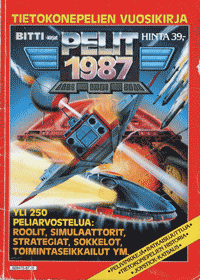 1987
1987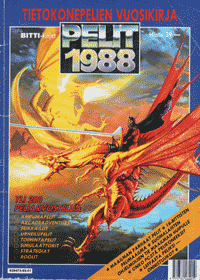 1988
1988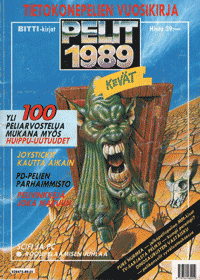 1989 Kevät
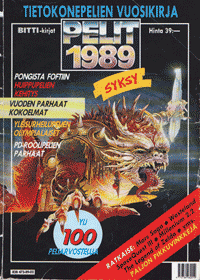 1989 Syksy
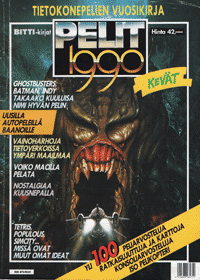 1990 Kevät
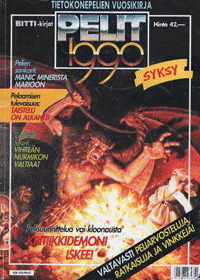 1990 Syksy
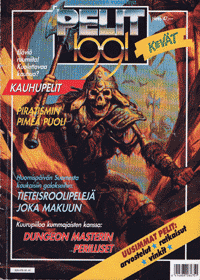 1991 Kevät
 1991 Syksy
Betrayal
Betrayal1991 SyksyPysyvä linkki"Olen petkuttanut, valehdellut, vakoillut ja murhannut. Petoksen hedelmät ovat minun."
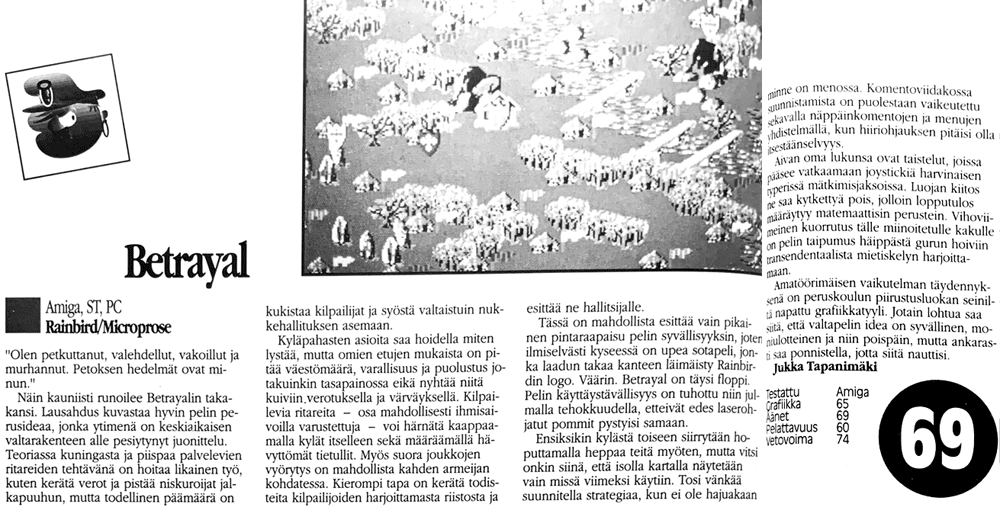
Näin kauniisti runoilee Betrayalin takakansi. Lausahdus kuvastaa hyvin pelin perusideaa, jonka ytimenä on keskiaikaisen valtarakenteen alle pesiytynyt juonittelu. Teoriassa kuningasta ja piispaa palvelevien ritareiden tehtävänä on hoitaa likainen työ, kuten kerätä verot ja pistää niskuroijat jalkapuuhun, mutta todellinen päämäärä on kukistaa kilpailijat ja syöstä valtaistuin nukkehallituksen asemaan.
Kyläpahasten asioita saa hoidella miten lystää, mutta omien etujen mukaista on pitää väestömäärä, varallisuus ja puolustus jotakuinkin tasapainossa eikä nyhtää niitä kuiviin.verotuksella ja värväyksellä. Kilpailevia ritareita - osa mahdollisesti ihmisaivoilla varustettuja - voi härnätä kaappaamalla kylät itselleen sekä määräämällä hävyttömät tietullit. Myös suora joukkojen vyörytys on mahdollista kahden armeijan kohdatessa. Kierompi tapa on kerätä todisteita kilpailijoiden harjoittamasta riistosta ja esittää ne hallitsijalle.
Tässä on mahdollista esittää vain pikainen pintaraapaisu pelin syvällisyyksin, joten ilmiselvästi kyseessä on upea sotapeli, jonka laadun takaa kanteen läimäisty Rainbirdin logo. Väärin. Betrayal on täysi floppi. Pelin käyttäystävällisyys on tuhottu niin julmalla tehokkuudella, etteivät edes laserohjatut pommit pystyisi samaan.
Ensiksikin kylästä toiseen siirrytään hoputtamalla heppaa teitä myöten, mutta vitsi onkin siinä, että isolla kartalla näytetään vain missä viimeksi käytiin. Tosi vänkää suunnitella strategiaa, kun ei ole hajuakaan minne on menossa. Komentoviidakossa suunnistamista on puolestaan vaikeutettu sekavalla näppäinkomentojen ja menujen yhdistelmällä, kun hiiriohjauksen pitäisi olla itsestäänselvyys.
Aivan oma lukunsa ovat taistelut, joissa pääsee vatkaamaan joystickiä harvinaisen typerissä mätkimisjaksoissa. Luojan kiitos ne saa kytkettyä pois, jolloin lopputulos määräytyy matemaattisin perustein. Vihoviimeinen kuorrutus tälle miinoitetulle kakulle on pelin taipumus häippästä gurun hoiviin transendentaalista mietiskelyn harjoittamaan.
Amatöörimäisen vaikutelman täydennyksenä on peruskoulun piirustusluokan seiniltä napattu grafiikkatyyli. Jotain lohtua saa siitä, että valtapelin idea on syvällinen, moniulotteinen ja niin poispäin, mutta ankarasti saa ponnistella, jotta siitä nauttisi.
Betrayal1991 SyksyPermalink"I have cheated, lied, spied and murdered. The fruits of betrayal are mine."
So beautifully does the back of Betrayal's box wax poetic. The line captures the game's basic idea well: at its heart is the scheming that has nested beneath a medieval power structure. In theory the knights who serve the king and the bishop are there to do the dirty work, like collecting the taxes and clapping troublemakers in the stocks, but the real goal is to crush your rivals and reduce the throne to a puppet government.
You can run the affairs of your one-horse villages however you like, but it's in your own interest to keep population, wealth and defences more or less in balance rather than bleeding them dry with taxes and conscription. Rival knights - some of them possibly equipped with human brains - can be needled by grabbing their villages for yourself and imposing outrageous road tolls. A head-on troop onslaught is also possible when two armies meet. A more crooked approach is to gather evidence of the exploitation your rivals are practising and present it to the ruler.
Only the briefest scratch at the surface of the game's depths is possible here, so obviously this is a superb wargame, its quality guaranteed by the Rainbird logo slapped on the cover. Wrong. Betrayal is a complete flop. The game's user-friendliness has been destroyed with such ruthless efficiency that not even laser-guided bombs could match it.
First of all, you get from one village to the next by hurrying your horsie along the roads, but the joke is that the big map only shows where you were last. Real neat, planning strategy when you haven't the foggiest where you're going. Finding your way through the command jungle, meanwhile, has been made harder by a muddled combination of keyboard commands and menus, when mouse control ought to go without saying.
The battles are a chapter all of their own, where you get to whisk the joystick about in uncommonly stupid bashing sequences. Thank God they can be switched off, in which case the outcome is decided on mathematical grounds. The very last icing on this booby-trapped cake is the game's habit of pushing off into the guru's care to practise transcendental meditation.
Rounding off the amateurish impression is a graphics style lifted off the walls of a primary school art class. There's some comfort in the fact that the idea of the power game is deep, multidimensional and so on and so forth, but you have to strain hard to enjoy it.