Atomic Robo-Kid
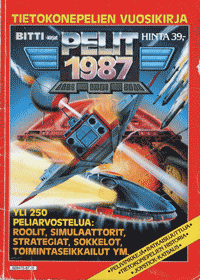
Pelit was a Finnish-language (bi)annual book series published from 1987 to 1991 containing gaming-related articles, tips and most importantly game reviews. Here you can find all the reviews from the books. The reviews were originally written in Finnish; the English versions are translations of the Finnish originals. Maininta tekijänoikeuksista
 1987
1987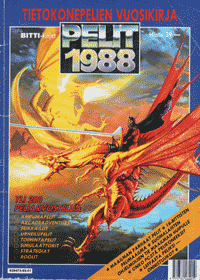 1988
1988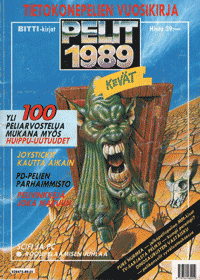 1989 Kevät
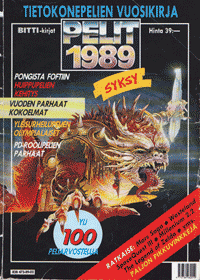 1989 Syksy
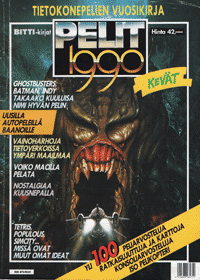 1990 Kevät
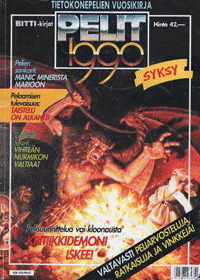 1990 Syksy
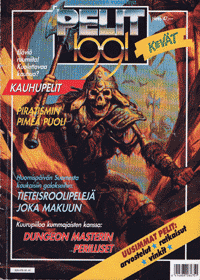 1991 Kevät
 1991 Syksy
Atomic Robo-Kid
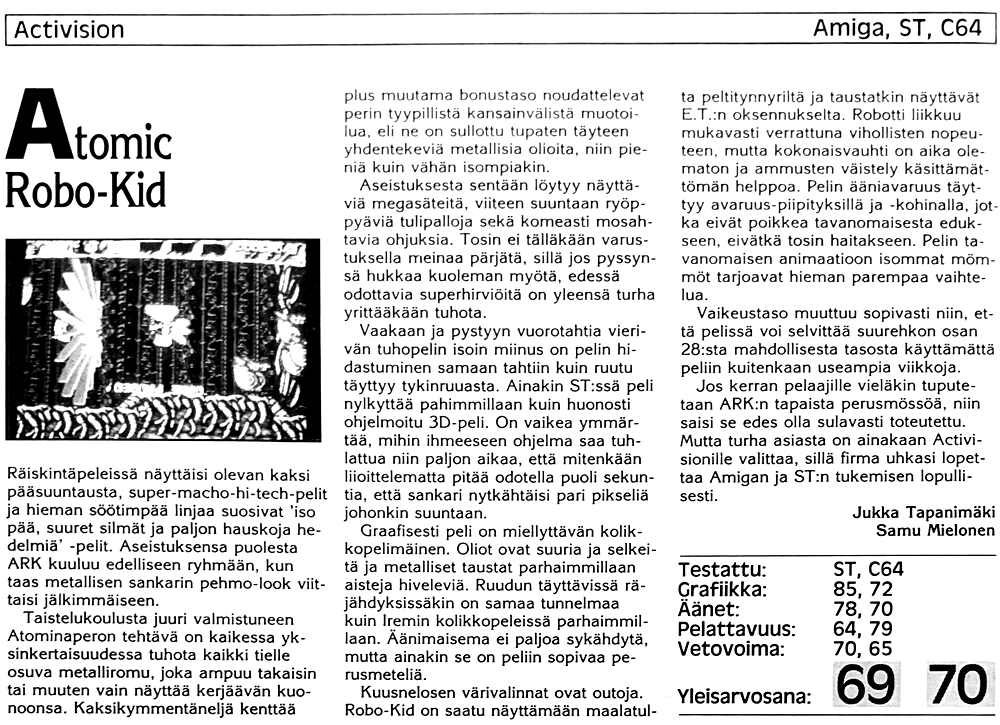
Atomic Robo-Kid1991 KevätPysyvä linkkiRäiskintäpeleissä näyttäisi olevan kaksi pääsuuntausta, super-macho-hi-tech-pelit ja hieman söötimpää linjaa suosivat 'iso pää, suuret silmät ja paljon hauskoja hedelmiä' -pelit. Aseistuksensa puolesta ARK kuuluu edelliseen ryhmään, kun taas metallisen sankarin pehmo-look viittaisi jälkimmäiseen.
Taistelukoulusta juuri valmistuneen Atominaperon tehtävä on kaikessa yksinkertaisuudessa tuhota kaikki tielle osuva metalliromu, joka ampuu takaisin tai muuten vain näyttää kerjäävän kuonoonsa. Kaksikymmentäneljä kenttää plus muutama bonustaso noudattelevat perin tyypillistä kansainvälistä muotoilua, eli ne on sullottu tupaten täyteen yhdentekeviä metallisia olioita, niin pieniä kuin vähän isompiakin.
Aseistuksesta sentään löytyy näyttäviä megasäteitä, viiteen suuntaan ryöppyäviä tulipalloja sekä komeasti mosahtavia ohjuksia. Tosin ei tälläkään varustuksella meinaa pärjätä, sillä jos pyssynsä hukkaa kuoleman myötä, edessä odottavia superhirviöitä on yleensä turha yrittääkään tuhota.
Vaakaan ja pystyyn vuorotahtia vierivän tuhopelin isoin miinus on pelin hidastuminen samaan tahtiin kuin ruutu täyttyy tykinruuasta. Ainakin ST:ssä peli nylkyttää pahimmillaan kuin huonosti ohjelmoitu 3D-peli. On vaikea ymmärtää, mihin ihmeeseen ohjelma saa tuhlattua niin paljon aikaa, että mitenkään liioittelematta pitää odotella puoli sekuntia, että sankari nytkähtäisi pari pikseliä johonkin suuntaan.
Graafisesti peli on miellyttävän kolikkopelimäinen. Oliot ovat suuria ja selkeitä ja metalliset taustat parhaimmillaan aisteja hiveleviä. Ruudun täyttävissä räjähdyksissäkin on samaa tunnelmaa kuin Iremin kolikkopeleissä parhaimmillaan. Äänimaisema ei paljoa sykähdytä, mutta ainakin se on peliin sopivaa perusmeteliä.
Kuusnelosen värivalinnat ovat outoja. Robo-Kid on saatu näyttämään maalatulta peltitynnyriltä ja taustatkin näyttävät E.T.:n oksennukselta. Robotti liikkuu mukavasti verrattuna vihollisten nopeuteen, mutta kokonaisvauhti on aika olematon ja ammusten väistely käsittämättömän helppoa. Pelin ääniavaruus täyttyy avaruus-piipityksillä ja -kohinalla, jotka eivät poikkea tavanomaisesta edukseen, eivätkä tosin haitakseen. Pelin tavanomaisen animaatioon isommat mömmöt tarjoavat hieman parempaa vaihtelua.
Vaikeustaso muuttuu sopivasti niin, että pelissä voi selvittää suurehkon osan 28:sta mahdollisesta tasosta käyttämättä peliin kuitenkaan useampia viikkoja.
Jos kerran pelaajille vieläkin tuputetaan ARK:n tapaista perusmössöä, niin saisi se edes olla sulavasti toteutettu. Mutta turha asiasta on ainakaan Activisionille valittaa, sillä firma uhkasi lopettaa Amigan ja ST:n tukemisen lopullisesti.
Atomic Robo-Kid1991 KevätPermalinkShoot-'em-ups seem to come in two main schools: the super-macho-hi-tech games and the somewhat cuter 'big head, huge eyes and lots of funny fruit' games. In terms of weaponry ARK belongs to the former group, while the metal hero's cuddly look would point to the latter.
The task of the Atomic Nipper, fresh out of combat school, is in all its simplicity to destroy every bit of scrap metal in its path that shoots back or otherwise just looks like it's begging for a smack in the snout. The twenty-four levels plus a few bonus stages follow thoroughly typical international design, meaning they are crammed chock-full of inconsequential metallic creatures, small ones and slightly bigger ones alike.
The arsenal does at least include spectacular mega-beams, fireballs gushing out in five directions and missiles that go off with a handsome whump. Even with this kit you can barely cope, though, because if you lose your guns when you die, there's usually no point even trying to destroy the super-monsters waiting ahead.
The biggest minus of this destruction-fest, which scrolls horizontally and vertically by turns, is that the game slows down at the same rate as the screen fills up with cannon fodder. On the ST at least, the game at its worst judders along like a badly programmed 3D game. It's hard to understand what on earth the program manages to squander so much time on that, with no exaggeration whatsoever, you have to wait half a second for the hero to twitch a couple of pixels in some direction.
Graphically the game is pleasantly arcade-like. The creatures are big and clear, and the metallic backgrounds are, at their best, a caress for the senses. Even the screen-filling explosions have the same feel as Irem's arcade games at their best. The soundscape doesn't exactly set the pulse racing, but at least it's basic racket that suits the game.
The Commodore 64's colour choices are strange. Robo-Kid has been made to look like a painted tin barrel, and the backgrounds look like E.T.'s vomit. The robot moves nicely compared to the speed of the enemies, but the overall pace is pretty much non-existent and dodging bullets is incomprehensibly easy. The game's sound-space fills up with space bleeps and space hiss that don't stand out from the ordinary for the better, nor, to be fair, for the worse. The bigger blobs bring slightly better variety to the game's run-of-the-mill animation.
The difficulty level changes nicely, so that you can clear a fairly large share of the 28 possible levels without having to spend several weeks on the game.
If players are still going to have basic mush like ARK pushed on them, it could at least be smoothly implemented. But there's no point complaining about it to Activision, at any rate, since the company threatened to stop supporting the Amiga and the ST for good.