Player Manager
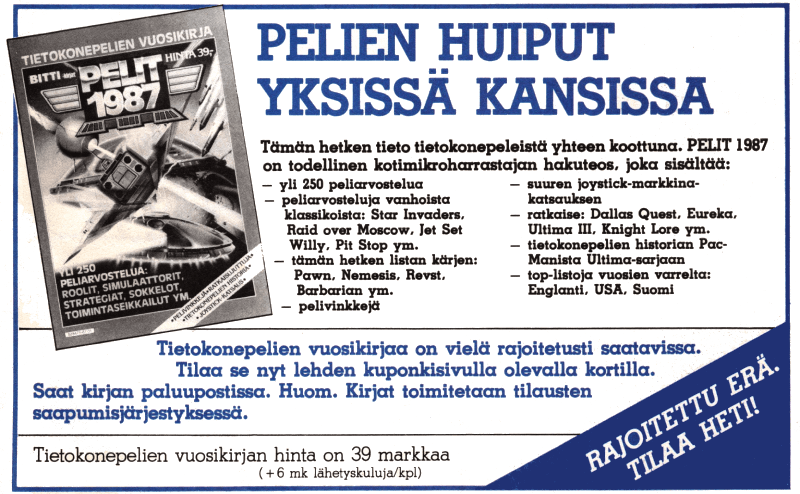
Pelit was a Finnish-language (bi)annual book series published from 1987 to 1991 containing gaming-related articles, tips and most importantly game reviews. Here you can find all the reviews from the books. The reviews were originally written in Finnish; the English versions are translations of the Finnish originals. Maininta tekijänoikeuksista
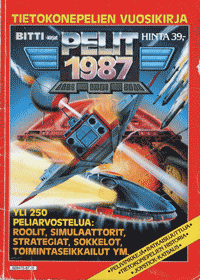 1987
1987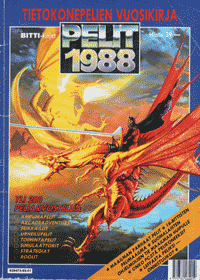 1988
1988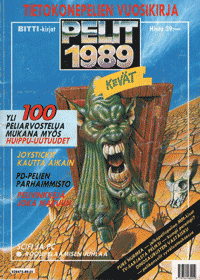 1989 Kevät
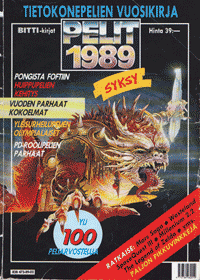 1989 Syksy
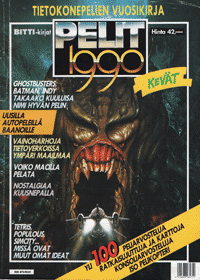 1990 Kevät
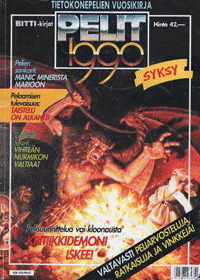 1990 Syksy
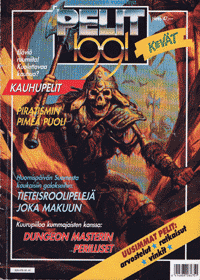 1991 Kevät
 1991 Syksy
Player Manager

Player Manager1990 SyksyPysyvä linkkiKick Off on eittämättä paras jalkapallopeli, mitä tähän päivään mennessä on tehty. Football Managerin ystävät voivat olla toista mieltä. Mutta mitä saadaan kun yhdistetään Kick Offin pelattavuus ja mainio valmennuspeli? Anco tarjoaa vastaukseksi Player Manageria.
Alku ei ainakaan nosta odotuksia. Uutta peliä aloitettaessa PM touhuaa itsekseen useita minuutteja laskeskellen joukkueiden välisiä voimasuhteita, pelaajien arvoja ja muuta. Tänä aikana pelaaja ei voi tehdä muuta kuin pyöritellä peukaloitaan. Rasittavaa, kyllä, mutta odotus palkitaan. Alkuvalikosta löytyvät valinnat mahdollistavat joukkueen taloudellisen tilan seurannan, pelaajien oston ja myynnin, pelaajien kunnon ja moraalin seurannan, pelaajien kunnon kohottamisen, taktiikkojen hiomisen, uusien taktiikkojen tekemisen ja paljon muuta. Luonnollisesti pelaajalle tarjotaan myös mahdollisuus muuttaa joukkueensa nimeä ja pelaajien nimiä.
On kerrassaan uskomatonta, miten Anco on onnistunut mahduttamaan näin paljon tavaraa puolimegaiseen Amigaan. Normaalitoimintojen lisäksi PM sisältää sellaisen helmen kuin pelistrategioiden muuttamisen ja suunnittelemisen. Tämä tapahtuu hiirellä luontevasti ja helposti. Näkyviin tulee kenttä, jolla näkyvät joukkueen pelaajat numeroina. Numerosta lähtee viiva, joka esittää pelaajan kulkua kentällä tietyssä pelitilanteessa. Hiirellä "otetaan kiinni" pelaajaa esittävästä numerosta ja raahataan numero haluttuun paikkaan. Pelissä sitten kyseinen pelaaja tekee halutut temput. Tämä on koettava, että sitä osaa arvostaa. Lisäksi PM on erittäin realistinen. Pelaajia loukkaantuu peleissä silloin tällöin, eivätkä he suinkaan pääse heti seuraavassa pelissä kentälle. Myynti- ja ostomarkkinat ovat monipuolisimmat, mitä olen koskaan nähnyt. Tinkiminen on päivän sana ja tämä toimii sekä ostamisessa että myymisessä. Kun asetat pelaajan myyntilistalle, ei kannata odottaa, että joku joukkue on heti ostamassa häntä. Ei suinkaan, hinnan pitää olla tarpeeksi alhainen ja vielä siitäkin ostava joukkue yrittää tinkiä. Onneksi PM ilmoittaa, minkä arvoinen myynnissä oleva pelaaja on, ettei häntä sentään pilkkahinnalla tule myytyä.
Valmentajapeli on siis huippuluokkaa. Ilokseni voin todeta, että Anco on ajatellut kaikkea: ennen peliä, kun pelaajat on valittu, voi vielä valita pelaako itse normaalissa vai nopeassa pelissä, vai näyttääkö peli vain ottelun lopputuloksen. Kick Offiin tutustuneet tuntevat olonsa kotoisaksi, sillä peliosuus on hieman muuteltu Kick Off. Kerrallaan näkyvissä pelialue on hieman pienempi, alareunassa näkyvät kellonaika, tulos ja kulloinkin palloa hallussaan pitävän pelaajan nimi mustalla kentän päällä. Tervetullut lisäys on pelaajien vaihto. Ennen peliä valmentaja valitsee kaksi vaihtopelaajaa, jotka saa tuoda kentälle missä vaiheessa tahansa. Itse peli on muuten entisellään, se vanha tuttu erinomainen ja vauhdikas Kick Off.
Graafisesti PM ei liiemmin mässäile, valmennuspuoli koostuu pääasiassa vain kylmistä numeroista ja kirjaimista. Peliosuuden pelaajat ovat ylhäältä kuvattuja könttejä, mutta pelattavuus korvaa karun ulkokuoren. Ääniä ei ole muualla kuin pelin aikana, ja silloinkin vain muutama yleisön kohahdus, pillin vihellys ja pallon töminä ruohoon. Vetovoimaa löytyy vaikka toisille jakaa, vaikka pari kertaa peli onkin kaatunut omituisesti. Pelattavuutta ei voi tarpeeksi kehua. Näillä eväillä Player Manageria ei voi kuin varauksetta suositella kaikille jalkapallosta kiinnostuneille.
Player Manager1990 SyksyPermalinkKick Off is indisputably the best football game made to date. Fans of Football Manager may disagree. But what do you get when you combine Kick Off's playability with a splendid management game? Anco offers Player Manager as the answer.
The start, at least, doesn't raise your hopes. When you begin a new game, PM busies itself for several minutes working out the relative strengths of the teams, the players' values and so on. During this time the player can do nothing but twiddle their thumbs. Tiresome, yes, but the wait is rewarded. The options on the main menu let you monitor the team's finances, buy and sell players, monitor the players' fitness and morale, improve the players' fitness, polish tactics, create new tactics and much more. Naturally, the player is also given the chance to change the team's name and the names of the players.
It's downright incredible how Anco has managed to squeeze this much stuff into a half-meg Amiga. On top of the standard functions, PM contains such a gem as the ability to change and design match strategies. This is done naturally and easily with the mouse. A pitch appears, with the team's players shown on it as numbers. From each number runs a line that represents the player's movement on the pitch in a given match situation. With the mouse you "grab hold of" the number representing a player and drag it to the desired spot. Then in the match that player does the tricks you wanted. You have to experience this to appreciate it. What's more, PM is extremely realistic. Players get injured in matches now and then, and they certainly don't get straight back on the pitch for the next match. The selling and buying markets are the most versatile I have ever seen. Haggling is the word of the day, and it works both when buying and when selling. When you put a player on the transfer list, don't expect some team to be buying straight away. Oh no, the price has to be low enough, and even then the buying team tries to haggle. Fortunately PM tells you what the player up for sale is worth, so at least you don't end up selling for a pittance.
So the management game is top class. I'm pleased to report that Anco has thought of everything: before a match, once the players have been picked, you can still choose whether to play it yourself in a normal or a fast game, or whether the game just shows the final result. Those acquainted with Kick Off will feel right at home, since the match part is a slightly modified Kick Off. The area of pitch visible at any one time is slightly smaller, and along the bottom you see the time, the score and the name of whichever player has the ball, in black over the pitch. A welcome addition is substitutions. Before the match the manager picks two substitutes, who can be brought on at any stage. Otherwise the game itself is as it was: the same old familiar, excellent and fast-paced Kick Off.
Graphically PM doesn't exactly indulge itself; the management side consists mainly of cold numbers and letters. The players in the match section are blobs seen from above, but the playability makes up for the bare exterior. There's no sound except during matches, and even then only a few murmurs from the crowd, the whistle and the thud of the ball on the grass. It has pulling power to spare, even if the game has crashed strangely a couple of times. The playability can't be praised enough. With credentials like these, Player Manager can only be recommended without reservation to anyone interested in football.