Strider
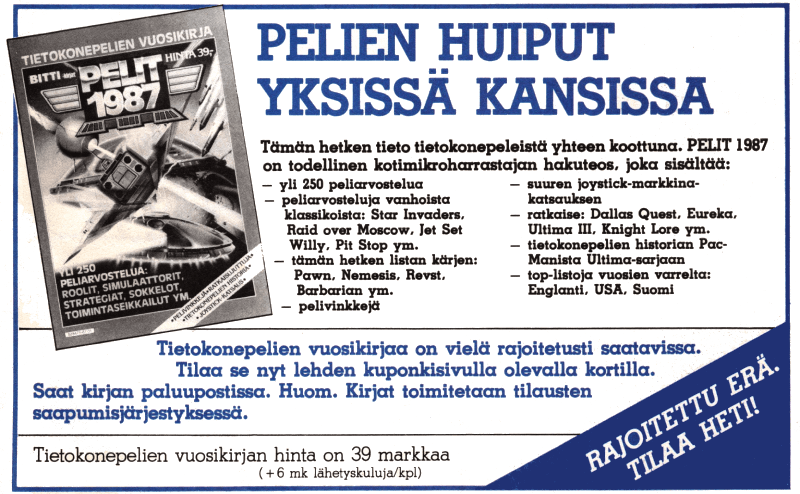
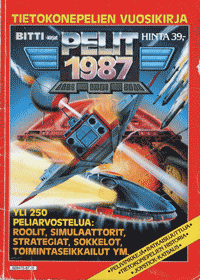
Pelit was a Finnish-language (bi)annual book series published from 1987 to 1991 containing gaming-related articles, tips and most importantly game reviews. Here you can find all the reviews from the books. The reviews were originally written in Finnish; the English versions are translations of the Finnish originals. Maininta tekijänoikeuksista
 1987
1987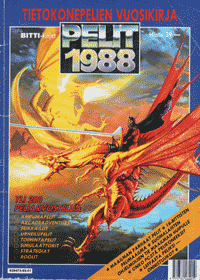 1988
1988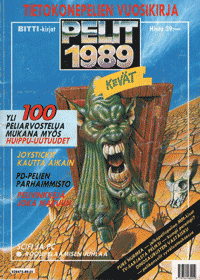 1989 Kevät
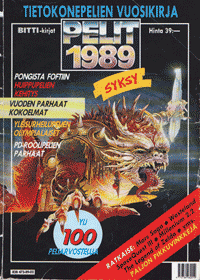 1989 Syksy
 1990 Kevät
 1990 Syksy
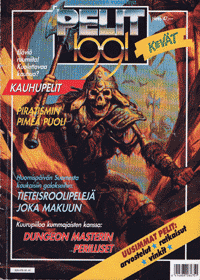 1991 Kevät
 1991 Syksy
Strider
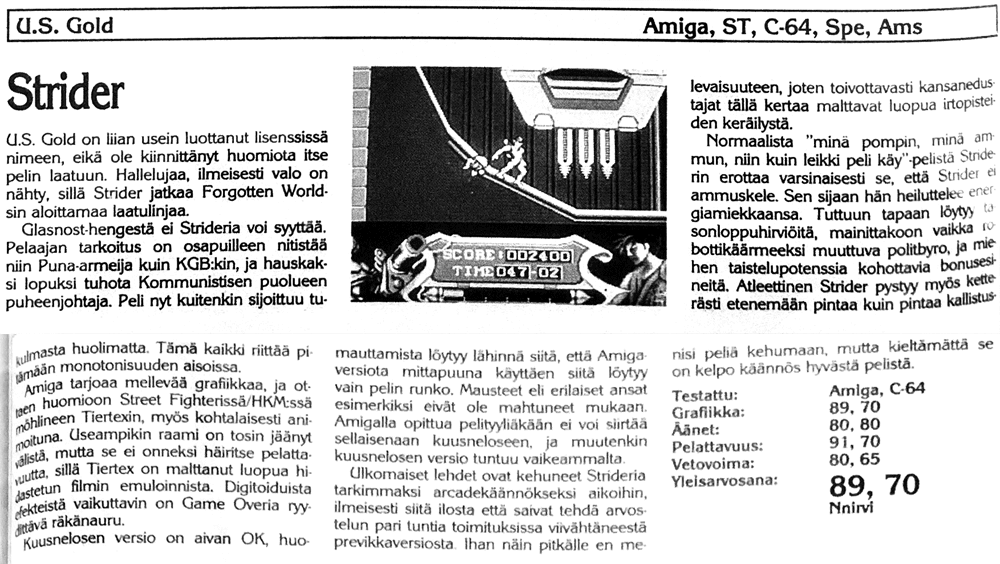
Strider1990 KevätPysyvä linkkiU.S. Gold on liian usein luottanut lisenssissä nimeen, eikä ole kiinnittänyt huomiota itse pelin laatuun. Hallelujaa, ilmeisesti valo on nähty, sillä Strider jatkaa Forgotten Worldsin aloittamaa laatulinjaa.
Glasnost-hengestä ei Strideria voi syyttää. Pelaajan tarkoitus on osapuilleen nitistää niin Puna-armeija kuin KGB:kin, ja hauskaksi lopuksi tuhota Kommunistisen puolueen puheenjohtaja. Peli nyt kuitenkin sijoittuu tulevaisuuteen, joten toivottavasti kansanedustajat tällä kertaa malttavat luopua irtopisteiden keräilystä.
Normaalista "minä pompin, minä ammun, niin kuin leikki peli käy"-pelistä Striderin erottaa varsinaisesti se, että Strider ei ammuskele. Sen sijaan hän heiluttelee energiamiekkaansa. Tuttuun tapaan löytyy tasonloppuhirviöitä, mainittakoon vaikka robottikäärmeeksi muuttuva politbyro, ja miehen taistelupotenssia kohottavia bonusesineitä. Atleettinen Strider pystyy myös ketterästi etenemään pintaa kuin pintaa kallistuskulmasta huolimatta. Tämä kaikki riittää pitämään monotonisuuden aisoissa.
Amiga tarjoaa mellevää grafiikkaa, ja ottaen huomioon Street Fighterissä/HKM:ssä möhlineen Tiertexin, myös kohtalaisesti animoituna. Useampikin raami on tosin jäänyt välistä, mutta se ei onneksi häiritse pelattavuutta, sillä Tiertex on malttanut luopua hidastetun filmin emuloinnista. Digitoiduista efekteistä vaikuttavin on Game Overia ryydittävä räkänauru.
Kuusnelosen versio on aivan OK, huomauttamista löytyy lähinnä siitä, että Amigaversiota mittapuuna käyttäen siitä löytyy vain pelin runko. Mausteet eli erilaiset ansat esimerkiksi eivät ole mahtuneet mukaan. Amigalla opittua pelityyliäkään ei voi siirtää sellaisenaan kuusneloseen, ja muutenkin kuusnelosen versio tuntuu vaikeammalta.
Ulkomaiset lehdet ovat kehuneet Strideria tarkimmaksi arcadekäännökseksi aikoihin, ilmeisesti siitä ilosta että saivat tehdä arvostelun pari tuntia toimituksissa viivähtäneestä previkkaversiosta. Ihan näin pitkälle en menisi peliä kehumaan, mutta kieltämättä se on kelpo käännös hyvästä pelistä.
Strider1990 KevätPermalinkWith its licences, U.S. Gold has all too often relied on the name and paid no attention to the quality of the game itself. Hallelujah, the light has apparently been seen, as Strider continues the line of quality begun by Forgotten Worlds.
Strider can hardly be accused of the spirit of glasnost. The player's task is, roughly speaking, to squash both the Red Army and the KGB, and as a jolly finale to destroy the chairman of the Communist Party. The game is set in the future, though, so hopefully this time our MPs can resist the urge to score some cheap points.
What really sets Strider apart from the normal "I jump, I shoot, that's the way the game goes" game is that Strider doesn't shoot. Instead he waves his energy sword about. As usual there are end-of-level monsters - the Politburo that turns into a robot serpent deserves a mention, for instance - and bonus items that boost the man's fighting potency. The athletic Strider can also nimbly make his way across any surface whatsoever, regardless of its angle. All this is enough to keep the monotony in check.
The Amiga serves up juicy graphics, and, considering this is Tiertex, who botched Street Fighter/HKM, reasonably well animated too. Quite a few frames have been skipped, admittedly, but luckily that doesn't hurt the playability, since Tiertex has managed to give up emulating slow-motion film. The most impressive of the digitised effects is the phlegmy cackle that seasons the Game Over.
The C-64 version is quite OK; the main complaint is that, using the Amiga version as the yardstick, all it has is the bare skeleton of the game. The seasoning, for example the various traps, didn't fit in. Nor can a playing style learned on the Amiga be carried over as such to the C-64, and in general the C-64 version feels harder.
Foreign magazines have praised Strider as the most faithful arcade conversion in ages, apparently out of sheer joy at getting to review a preview copy that lingered in their offices for a couple of hours. I wouldn't go quite that far in praising the game, but admittedly it is a decent conversion of a good game.