Jet
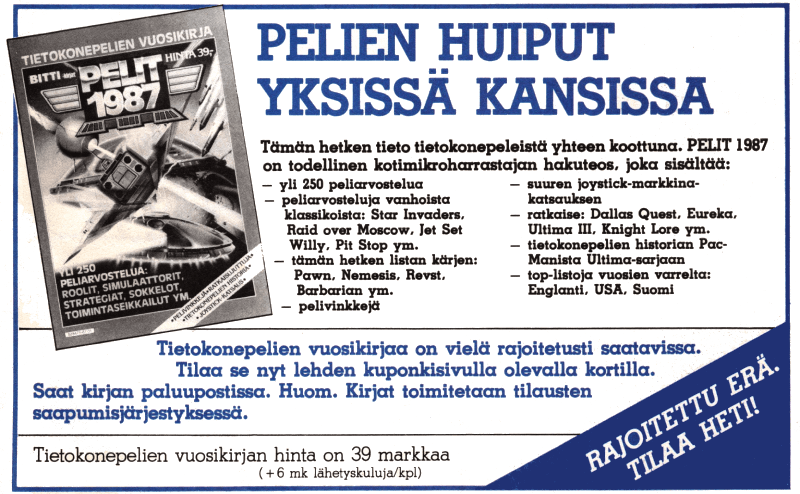
Pelit was a Finnish-language (bi)annual book series published from 1987 to 1991 containing gaming-related articles, tips and most importantly game reviews. Here you can find all the reviews from the books. The reviews were originally written in Finnish; the English versions are translations of the Finnish originals. Maininta tekijänoikeuksista
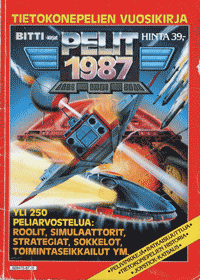 1987
1987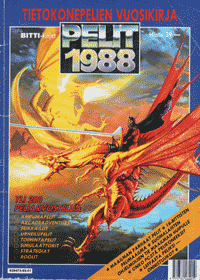 1988
1988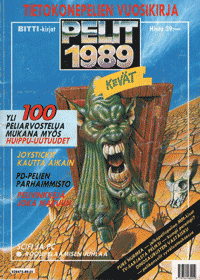 1989 Kevät
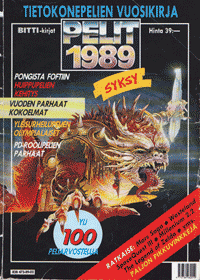 1989 Syksy
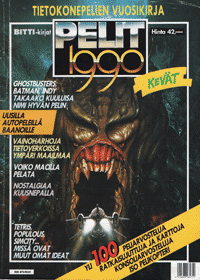 1990 Kevät
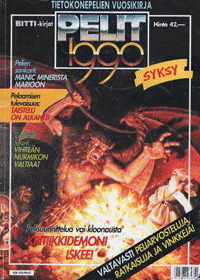 1990 Syksy
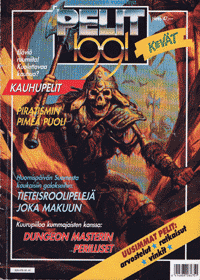 1991 Kevät
 1991 Syksy
Jet
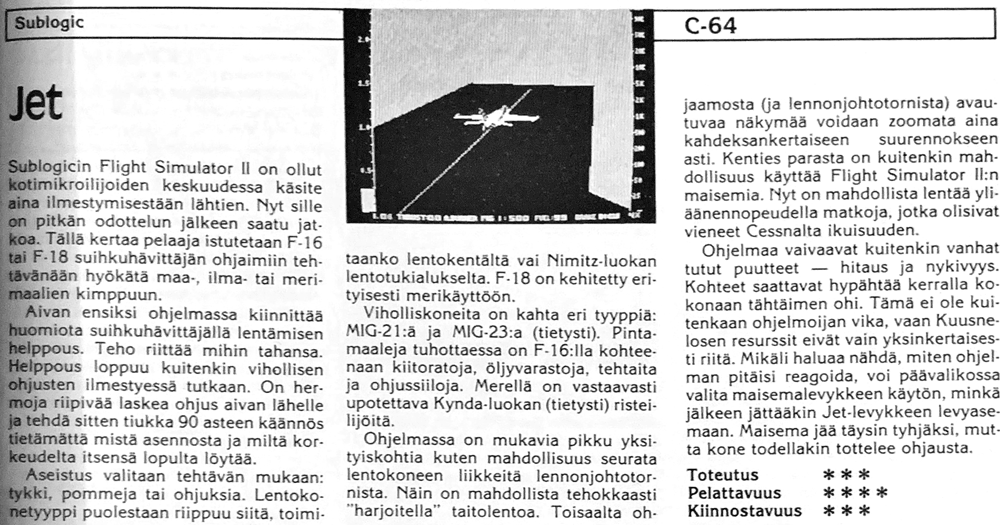
Jet1987Pysyvä linkkiSublogicin Flight Simulator II on ollut kotimikroilijoiden keskuudessa käsite aina ilmestymisestään lähtien. Nyt sille on pitkän odottelun jälkeen saatu jatkoa. Tällä kertaa pelaaja istutetaan F-16 tai F-18 suihkuhävittäjän ohjaimiin tehtävänään hyökätä maa-, ilma- tai merimaalien kimppuun.
Aivan ensiksi ohjelmassa kiinnittää huomiota suihkuhävittäjällä lentämisen helppous. Teho riittää mihin tahansa. Helppous loppuu kuitenkin vihollisen ohjusten ilmestyessä tutkaan. On hermoja riipivää laskea ohjus aivan lähelle ja tehdä sitten tiukka 90 asteen käännös tietämättä mistä asennosta ja miltä korkeudelta itsensä lopulta löytää.
Aseistus valitaan tehtävän mukaan: tykki, pommeja tai ohjuksia. Lentokonetyyppi puolestaan riippuu siitä, toimitaanko lentokentältä vai Nimitz-luokan lentotukialukselta. F-18 on kehitetty erityisesti merikäyttöön.
Viholliskoneita on kahta eri tyyppiä: MIG-21:ä ja MIG-23:a (tietysti). Pintamaaleja tuhottaessa on F-16:lla kohteenaan kiitoratoja, öljyvarastoja, tehtaita ja ohjussiiloja. Merellä on vastaavasti upotettava Kynda-luokan (tietysti) risteilijöitä.
Ohjelmassa on mukavia pikku yksityiskohtia kuten mahdollisuus seurata lentokoneen liikkeitä lennonjohtotornista. Näin on mahdollista tehokkaasti "harjoitella" taitolentoa. Toisaalta ohjaamosta (ja lennonjohtotornista) avautuvaa näkymää voidaan zoomata aina kahdeksankertaiseen suurennokseen asti. Kenties parasta on kuitenkin mahdollisuus käyttää Flight Simulator II:n maisemia. Nyt on mahdollista lentää yliäänennopeudella matkoja, jotka olisivat vieneet Cessnalta ikuisuuden.
Ohjelmaa vaivaavat kuitenkin vanhat tutut puutteet - hitaus ja nykivyys. Kohteet saattavat hypähtää kerralla kokonaan tähtäimen ohi. Tämä ei ole kuitenkaan ohjelmoijan vika, vaan Kuusnelosen resurssit eivät vain yksinkertaisesti riitä. Mikäli haluaa nähdä, miten ohjelman pitäisi reagoida, voi päävalikossa valita maisemalevykkeen käytön, minkä jälkeen jättääkin Jet-levykkeen levyasemaan. Maisema jää täysin tyhjäksi, mutta kone todellakin tottelee ohjausta.
Jet1987PermalinkSublogic's Flight Simulator II has been an institution among home micro users ever since it first came out. Now, after a long wait, it has finally got a sequel. This time the player is put in the cockpit of an F-16 or F-18 jet fighter, with the task of attacking ground, air or sea targets.
The very first thing you notice about the program is how easy it is to fly the jet fighter. There's enough power for anything. The easy part ends, however, when enemy missiles appear on the radar. It is nerve-racking to let a missile get really close and then pull a tight 90-degree turn without knowing what attitude and what altitude you will end up in.
Weapons are chosen to suit the mission: cannon, bombs or missiles. The aircraft type, in turn, depends on whether you are operating from an airfield or from a Nimitz-class aircraft carrier. The F-18 was developed especially for naval use.
There are two different types of enemy aircraft: MIG-21s and MIG-23s (naturally). When destroying surface targets, the F-16 goes after runways, oil depots, factories and missile silos. At sea, correspondingly, you have to sink Kynda-class (naturally) cruisers.
The program has nice little details, such as the option of following the plane's movements from the control tower. This makes it possible to "practise" aerobatics effectively. Also, the view from the cockpit (and from the control tower) can be zoomed all the way up to eight times magnification. Perhaps the best thing, though, is the ability to use the Flight Simulator II scenery. Now you can fly at supersonic speed over distances that would have taken the Cessna an eternity.
The program is, however, plagued by the same old familiar shortcomings - slowness and jerkiness. Targets can jump clean past the sights in a single leap. This is not the programmer's fault, though; the Commodore 64's resources are simply not up to it. If you want to see how the program ought to respond, you can select the scenery disk option in the main menu and then just leave the Jet disk in the drive. The scenery stays completely empty, but the plane really does obey the controls.