Search for The King
Pelit was a Finnish-language (bi)annual book series published from 1987 to 1991 containing gaming-related articles, tips and most importantly game reviews. Here you can find all the reviews from the books. The reviews were originally written in Finnish; the English versions are translations of the Finnish originals. Maininta tekijänoikeuksista
 1987
1987 1988
1988 1989 Kevät
 1989 Syksy
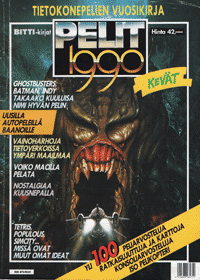 1990 Kevät
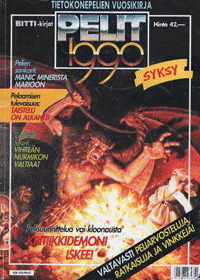 1990 Syksy
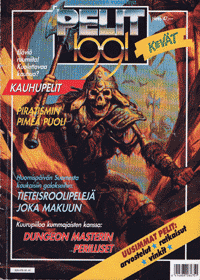 1991 Kevät
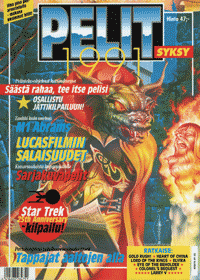 1991 Syksy
Search for The King
Search for The King1990 SyksyPysyvä linkkiSen oli pakko tapahtua! Kun maailmalla liikkuu huhuja ties minkälaisista Larry-tavaroista Larry-elokuvaan asti, oli vain ajan kysymys kun joku Sierran kilpailija tekee Larry-kloonin. Tällaista vetoa osasin odottaa, mutten kyllä sellaiselta ohjelmatalolta kuin Accolade.
Välähtipä eräänä päivänä jonkun Accoladen silmäätekevän mieleen idea Larry-tyylisestä pelistä, joka myisi kuin hirvi. Pari puhelinsoittoa ja mies Little Computer Peoplen ja Pitfallien takaa, David Cartwright, väänsi koodia jo täyttä päätä. Pelin pääosassa seikkailee pitkän huiskea limanuljaska nimeltään Les Manley (lausutaan vaikkapa Less Manly, eli 'vähemmän miehekäs'), viimeistä pikseliä myöten Larryn kopio.
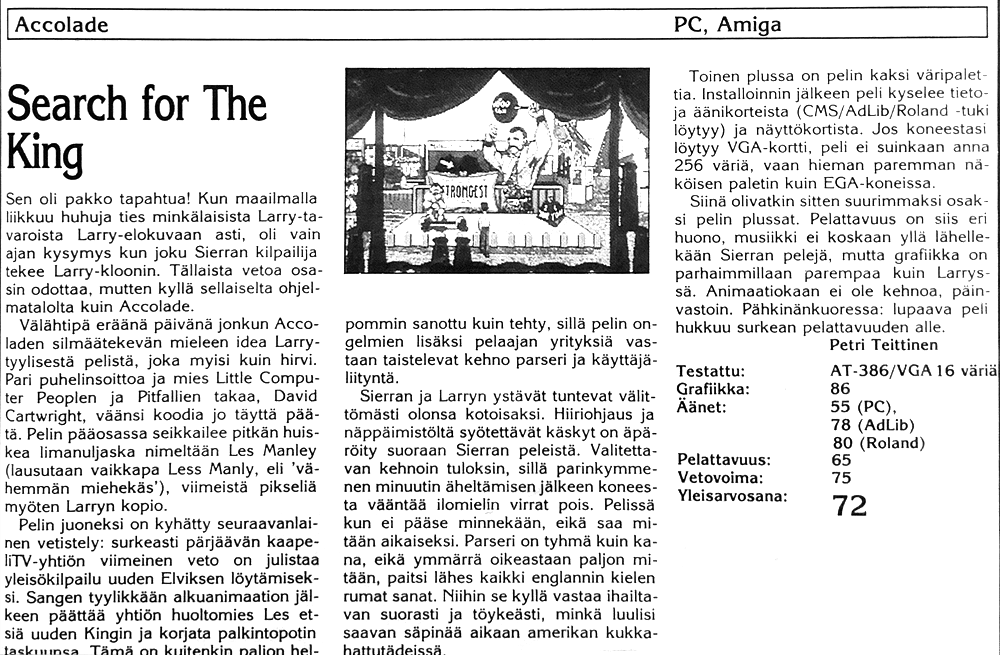
Pelin juoneksi on kyhätty seuraavanlainen vetistely: surkeasti pärjäävän kaapeliTV-yhtiön viimeinen veto on julistaa yleisökilpailu uuden Elviksen löytämiseksi. Sangen tyylikkään alkuanimaation jälkeen päättää yhtiön huoltomies Les etsiä uuden Kingin ja korjata palkintopotin taskuunsa. Tämä on kuitenkin paljon helpommin sanottu kuin tehty, sillä pelin ongelmien lisäksi pelaajan yrityksiä vastaan taistelevat kehno parseri ja käyttäjäliityntä.
Sierran ja Larryn ystävät tuntevat välittömästi olonsa kotoisaksi. Hiiriohjaus ja näppäimistöltä syötettävät käskyt on äpäröity suoraan Sierran peleistä. Valitettavan kehnoin tuloksin, sillä parinkymmenen minuutin äheltämisen jälkeen koneesta vääntää ilomielin virrat pois. Pelissä kun ei pääse minnekään, eikä saa mitään aikaiseksi. Parseri on tyhmä kuin kana, eikä ymmärrä oikeastaan paljon mitään, paitsi lähes kaikki englannin kielen rumat sanat. Niihin se kyllä vastaa ihailtavan suorasti ja töykeästi, minkä luulisi saavan säpinää aikaan amerikan kukkahattutädeissä.
Toinen plussa on pelin kaksi väripalettia. Installoinnin jälkeen peli kyselee tietoja äänikorteista (CMS/AdLib/Roland -tuki löytyy) ja näyttökortista. Jos koneestasi löytyy VGA-kortti, peli ei suinkaan anna 256 väriä, vaan hieman paremman näköisen paletin kuin EGA-koneissa.
Siinä olivatkin sitten suurimmaksi osaksi pelin plussat. Pelattavuus on siis eri huono, musiikki ei koskaan yllä lähellekään Sierran pelejä, mutta grafiikka on parhaimmillaan parempaa kuin Larryssä. Animaatiokaan ei ole kehnoa, päinvastoin. Pähkinänkuoressa: lupaava peli hukkuu surkean pelattavuuden alle.
Search for The King1990 SyksyPermalinkIt was bound to happen! With rumours doing the rounds about who knows what kind of Larry merchandise, all the way up to a Larry movie, it was only a matter of time before some rival of Sierra's made a Larry clone. A move like this I could have seen coming, but certainly not from a software house like Accolade.
So one day an idea flashed into the mind of some Accolade bigwig: a Larry-style game that would sell like hot cakes. A couple of phone calls later, the man behind Little Computer People and the Pitfalls, David Cartwright, was already hammering out code at full tilt. Starring in the game is a long, lanky slimeball called Les Manley (pronounced, say, Less Manly, in other words 'less of a man'), a copy of Larry down to the last pixel.
The plot cobbled together for the game is the following watery affair: the last-ditch gamble of a miserably failing cable TV company is to announce a viewer competition to find the new Elvis. After a rather stylish intro animation, the company's maintenance man Les decides to track down the new King and pocket the prize pot. This, however, is much easier said than done, since on top of the game's puzzles the player's efforts are fought every step of the way by a lousy parser and user interface.
Fans of Sierra and Larry will feel right at home straight away. The mouse control and the commands typed in from the keyboard have been bastardised straight from Sierra's games. With regrettably poor results, since after twenty-odd minutes of huffing and puffing you will happily switch the machine off. The thing is, in this game you get nowhere and get nothing done. The parser is as dumb as a hen and doesn't really understand much of anything, except for nearly every rude word in the English language. Those it does answer with admirable bluntness and rudeness, which you'd think would get america's flowery-hatted busybodies in a flap.
The second plus is the game's two colour palettes. After installation the game asks about your sound cards (CMS/AdLib/Roland support is there) and your graphics card. If your machine has a VGA card, the game by no means gives you 256 colours, merely a slightly nicer-looking palette than on EGA machines.
And those, for the most part, were the game's plusses. So the playability is seriously bad and the music never gets anywhere near Sierra's games, but the graphics at their best are better than in Larry. The animation isn't shabby either, quite the opposite. In a nutshell: a promising game drowns under miserable playability.